How Colorado’s Modified Comparative Negligence Rule Affects Multi-Vehicle Pileups on Mountain Roads
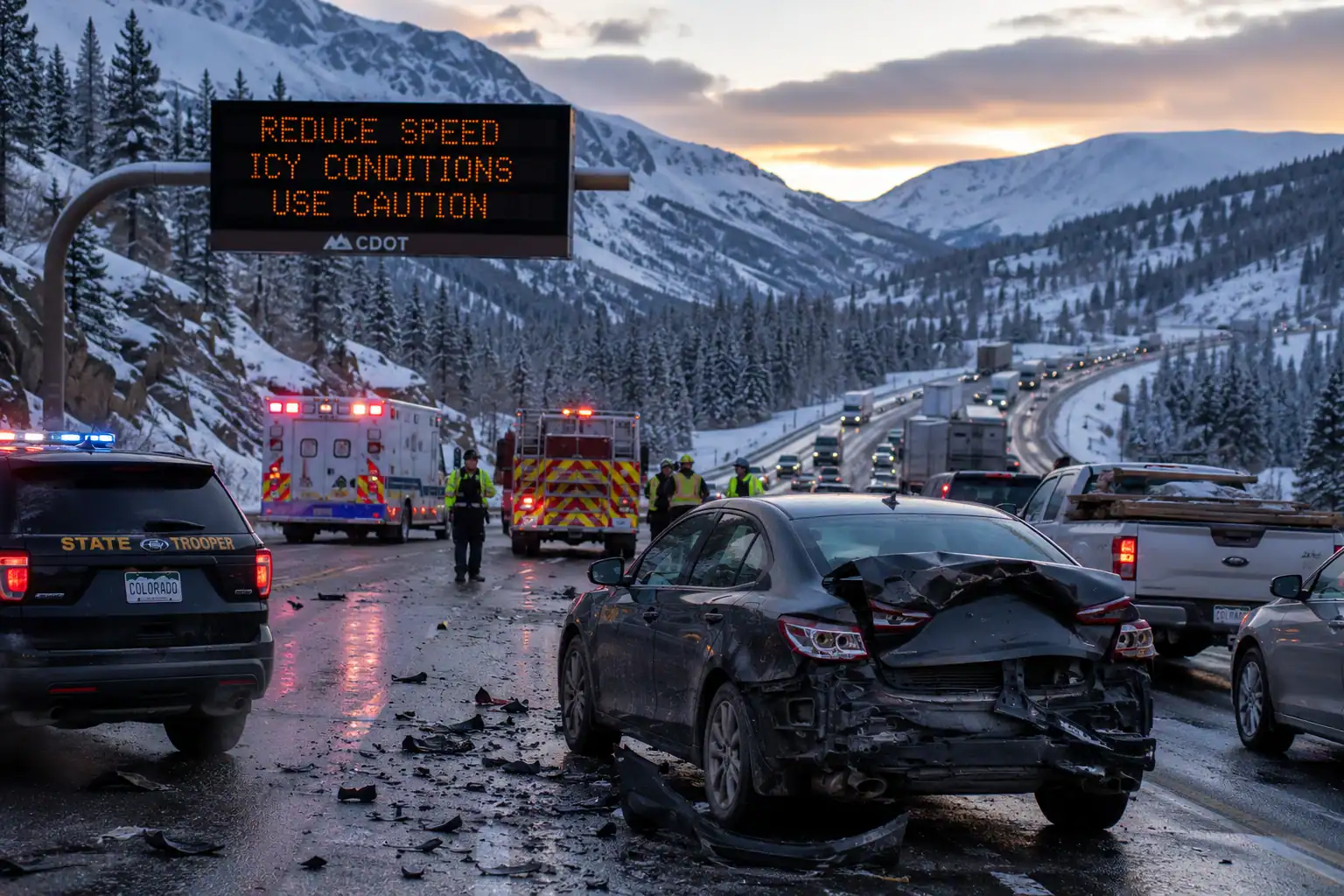
A multi-vehicle pileup on a Colorado mountain road is one of the most legally complex case types we handle. The number of parties, the conflicting accounts of who started the chain, the question of which driver had a real opportunity to avoid the collision and which did not, all of it gets filtered through Colorado’s modified comparative negligence rule under CRS 13-21-111. The rule was not designed with chain-reaction mountain pileups in mind, but it is the rule that applies, and understanding how it works in these cases is essential for anyone caught in one.
This article walks through how comparative negligence functions in multi-vehicle mountain pileups, what evidence matters most, and what victims should know about their recovery picture.
If you have been involved in a multi-vehicle pileup on a Colorado mountain road, call us at 720-928-9178. The conversation is free, there is no obligation, and there is no fee unless we win your case.
How Comparative Negligence Works in Two-Vehicle Cases
In a standard two-vehicle Colorado car accident, comparative negligence assigns a percentage of fault to each driver. The injured driver’s recovery is reduced by their percentage of fault. If the injured driver is fifty percent or more at fault, they recover nothing.
The percentages are determined by the finder of fact, typically a jury, based on the evidence. In settlement, the percentages are negotiated by the lawyers and adjusters based on what they predict a jury would find. The negotiation is heavily evidence-driven.
How Comparative Negligence Works in Multi-Vehicle Pileups
In a multi-vehicle pileup, the analysis becomes far more complex. Every driver who contributed to the collision is potentially assigned a percentage of fault, and the percentages must total one hundred. The injured driver’s recovery is still reduced by their percentage. The injured driver is still barred from recovery if their percentage reaches fifty.
But the question of how the percentages are distributed across five, eight, or twelve drivers in a chain-reaction pileup is exponentially more complicated than the two-vehicle case. Each defendant has an incentive to argue that other defendants bore more fault. Each plaintiff has an incentive to focus on the defendants with the deepest insurance coverage.
The practical effect is that multi-vehicle pileup cases involve substantial discovery, multiple expert reconstructions, and often months or years of litigation before the fault picture stabilizes.
What Evidence Drives the Allocation
Several categories of evidence matter most in multi-vehicle pileup cases.
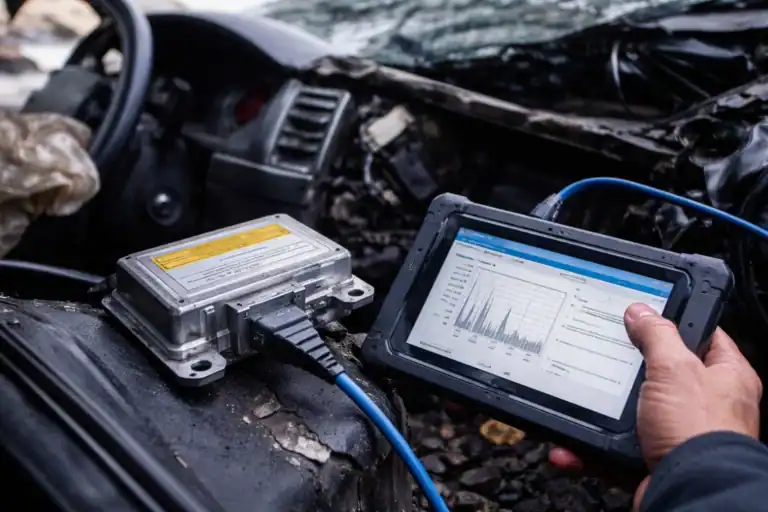
Event data recorder data. Modern vehicles record speed, brake application, throttle position, and other data in the seconds before a crash. Recovering this data from each vehicle involved is a priority. The data establishes who was following too closely, who applied brakes when, and what the actual speeds were.
Driver logs and hours-of-service records for commercial trucks. Federal motor carrier regulations require these records, and they often establish whether a commercial driver was fatigued, distracted, or otherwise impaired.
Weather and road condition data. Mountain pileups often occur during conditions where some drivers had advance warning of the conditions and others did not. The CDOT data, the National Weather Service records, and the specific reports of road conditions at the time of the crash all matter.
Witness statements. In a multi-vehicle pileup, the witnesses are often other drivers in vehicles that did not collide. Their statements about what they saw can be the most important evidence in the case.
Surveillance and traffic camera footage. The I-70 corridor and major mountain highways have substantial CDOT camera infrastructure. Footage from these cameras is sometimes available, but the retention windows are short.
Accident reconstruction. Expert reconstruction of the crash sequence, working backward from the physical evidence, is typically essential in multi-vehicle pileups. The reconstruction establishes which vehicles struck which, in what order, and at what speed.
The Fifty Percent Threshold and Why It Matters
The fifty percent threshold in Colorado’s comparative negligence rule is the most consequential single feature of multi-vehicle pileup litigation. A driver assigned forty-nine percent fault can still recover. A driver assigned fifty-one percent fault cannot.
This is why insurance carriers fight so hard over fault allocation. Pushing your assigned fault from forty percent to fifty-one percent is not a small adjustment. It eliminates your claim entirely.
In multi-vehicle pileups, the carriers are also fighting over fault allocation among multiple defendants. Each defendant wants to push fault onto the others. Each plaintiff wants the deepest pockets assigned the most fault.
The result is litigation that produces fault percentages most claimants would never expect. We have seen cases where the initial police report assigned fault one way, the carrier’s investigation assigned it another way, the discovery process revealed a third allocation, and the eventual settlement reflected a fourth. The fault picture in serious multi-vehicle cases is rarely fixed at the outset.
Recovery Sources in Multi-Vehicle Pileups
Multi-vehicle pileups often produce multiple recovery sources for a single plaintiff. This is one of the few legal advantages of being in a multi-vehicle crash rather than a two-vehicle crash.
Each at-fault driver’s liability coverage. If five drivers each bear some percentage of fault, each of their coverages can contribute to the recovery, subject to their percentage and policy limits.
The plaintiff’s own UM/UIM coverage. If the at-fault drivers’ coverage is exhausted, UM/UIM stepping in is critical.
Commercial coverage, when commercial vehicles are involved.
Employer liability, when drivers were acting in the course of employment.
Manufacturer or product liability, when a vehicle defect contributed.
Government liability under the Governmental Immunity Act, when government conduct contributed (rare in pileups but not unheard of).
The full coverage analysis, the stacking analysis under Colorado law, and the discovery of all available coverage often produce substantially more total recovery in a multi-vehicle pileup than in a comparable two-vehicle crash.
How Long These Cases Take
Multi-vehicle pileup cases typically take longer than two-vehicle cases. The discovery phase is more involved, the expert work is heavier, and the negotiation among multiple defendants takes time.
Realistic timelines for serious multi-vehicle pileups are eighteen months to three years for cases that resolve in pre-trial litigation, and longer if the case goes to trial. We discuss the full settlement timeline framework in our Colorado car accident settlement guide.
What to Do Immediately After a Multi-Vehicle Pileup
Get to safety. The risk of secondary collisions is high. Move to a safe location if you can.
Call 911 and get state troopers to the scene.
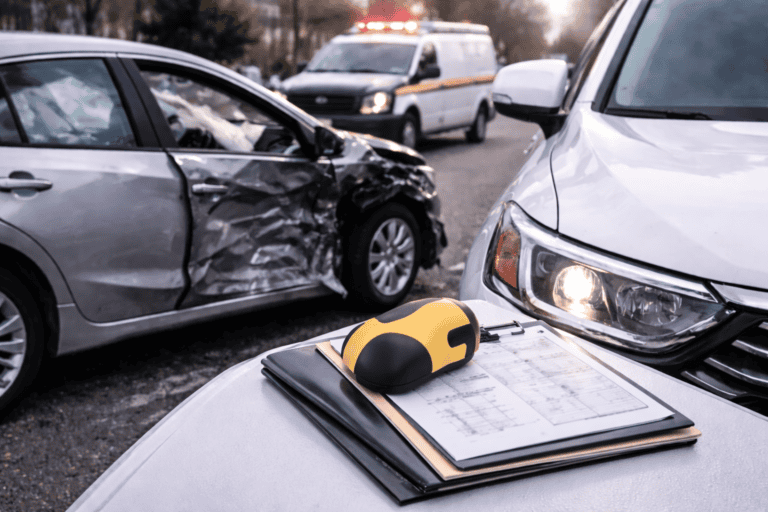
Document everything. The number of vehicles, the position of each, the visible injuries, the contact information for every driver and witness within reach. Multi-vehicle scenes can deteriorate quickly as vehicles are moved.
Seek medical attention.
Notify your own insurance carrier.
Do not give recorded statements to any insurance carriers until you have spoken with counsel. Multi-vehicle cases are particularly sensitive to early statements that can be used to assign higher fault percentages later.
Engage counsel quickly. Evidence preservation in multi-vehicle pileups is time-sensitive, particularly EDR data and commercial driver logs.
Frequently Asked Questions
How is fault decided in a multi-vehicle pileup in Colorado?
Each party who contributed to the collision is assigned a percentage of fault based on the evidence. The percentages must total one hundred. The injured driver’s recovery is reduced by their percentage and barred if they reach fifty percent.
Can I recover from multiple drivers in a pileup?
Yes. If multiple drivers contributed to the collision, each of their liability coverages can contribute to the recovery, subject to their percentage of fault and policy limits.
What if I am assigned fault for not avoiding a chain reaction?
Drivers later in a chain reaction can bear fault for following too closely or failing to react in time. The factual analysis is detailed, and the fault percentages assigned to later-in-chain drivers are often disputed and litigated.
How long do these cases take?
Multi-vehicle pileup cases typically take eighteen months to three years to resolve, longer if they go to trial. The discovery and expert work is more involved than a typical two-vehicle case.
What if a commercial truck was involved?
Commercial vehicle involvement typically introduces higher liability coverage, federal motor carrier regulations, and employer liability. These cases often produce substantially better recovery than pileups involving only private vehicles.
What if I do not remember the crash clearly?
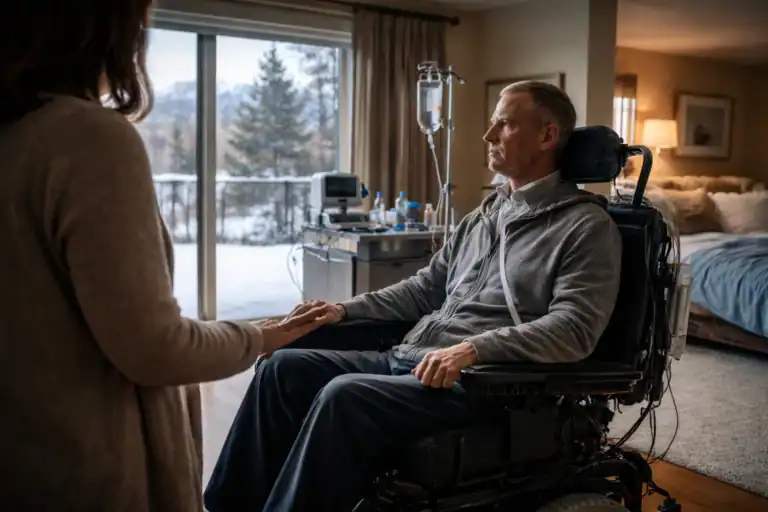
Memory loss is common in serious crashes, particularly those involving head injury. The reconstruction work, EDR data, and witness statements typically establish the sequence of events even when the plaintiff’s memory is incomplete.
Sources
Colorado Revised Statutes 13-21-111: Comparative Negligence, leg.colorado.gov
Colorado Revised Statutes 13-80-101: Three-Year Limitation for Motor Vehicle Tort Actions, leg.colorado.gov
Federal Motor Carrier Safety Administration, Driver Hours of Service, fmcsa.dot.gov
National Highway Traffic Safety Administration, Crash Data and Event Data Recorders, nhtsa.gov
Colorado Department of Transportation, Crash Data, codot.gov
If you have been involved in a multi-vehicle pileup on a Colorado mountain road or anywhere on a Colorado highway, please call us. The cases are complex, the evidence is time-sensitive, and experienced counsel makes a measurable difference in the outcome. Reach Samantha Flanagan and the Flanagan Law team at 720-928-9178. We are a Colorado boutique firm. We answer our own phones. And we do not get paid unless we win your case.