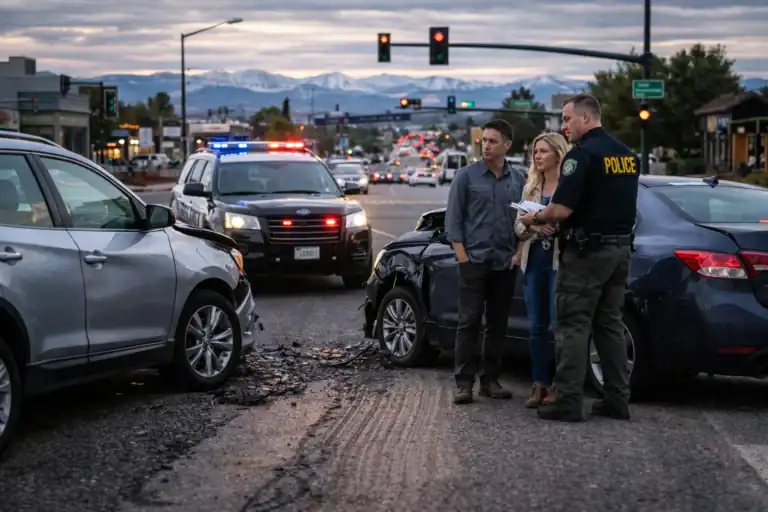
Why the Other Driver’s Apology at the Scene Is Not the Evidence You Think It Is
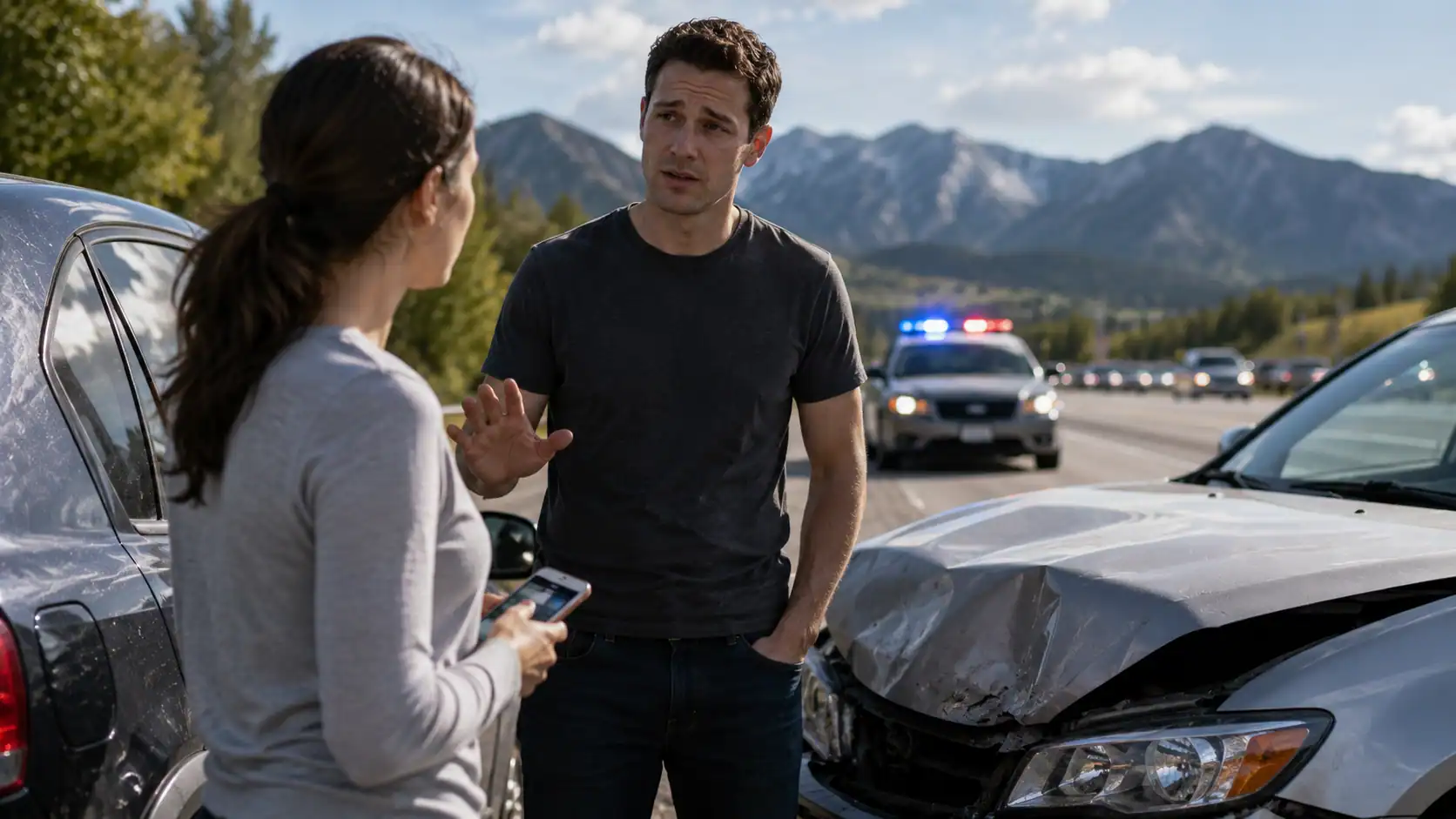
It happens constantly. The other driver steps out of the car, walks over, and says some version of the same thing. I am so sorry. I did not see you. I was reaching for my phone. That was completely my fault.
You remember it clearly. It felt like the case was settled right there on the shoulder of the road.
Six weeks later the adjuster tells you their insured disputes fault, and the apology has evaporated. Understanding why saves a lot of frustration, and more importantly, it redirects your attention to the evidence that actually decides these claims.
An Apology Is Not Proof, Because Nobody Has to Agree It Happened
A statement made by the other driver can matter in a Colorado injury case. Statements by an opposing party are treated differently than ordinary secondhand accounts, and a genuine admission of fault is not automatically excluded.
The problem is upstream of that. Before anyone argues about whether a statement comes in, someone has to establish that it was made at all.
In the overwhelming majority of cases, the only record of a roadside apology is your memory of it. There is no recording. The other driver, once they have spoken to their insurer, frequently remembers the conversation very differently, or does not remember it. What you are left with is your word against theirs on a point where you are the interested party.
Adjusters know this. A claim file that says “claimant states other driver apologized” does not move a fault determination, because the adjuster is looking at what could be proven if the case went further, not at what you recall.
An Apology Is Not a Legal Conclusion
Even when an apology is documented, it often proves less than it seems to.
People apologize for many reasons. Politeness. Shock. A general sense that something terrible has happened. Colorado drivers routinely apologize after collisions they did not cause, because that is what decent people do when someone is bleeding on the pavement.
More to the point, fault in a Colorado injury case is not a feeling. It is a legal determination about duty, breach, causation, and damages. The other driver’s belief about who was at fault is not binding on anyone. Neither is yours. A driver saying “my fault” does not resolve whether they violated a specific duty of care, and it does not resolve whether you also contributed.
That last part matters more than most people realize under Colorado’s modified comparative negligence rule. Fault is apportioned by percentage, and an apology says nothing about percentages.
The Same Rule Cuts Against You
Here is the part worth remembering the next time you are standing on the shoulder of a road.
If the other driver’s apology can be used against them, yours can be used against you. And your statements are far more likely to be documented, because you will repeat them to a police officer, to your own insurer, and possibly to the other driver’s adjuster on a recorded line.
Common phrases that create real problems later:
- I am so sorry, I did not see you
- I might have been going a little fast
- I am fine, I do not need an ambulance
- It was partly my fault too
- I just glanced down for a second
The “I am fine” version is the most damaging of all, and it is the one people say most often. Adrenaline at a crash scene routinely masks injuries that surface a day or two later. A recorded denial of injury on day one becomes the centerpiece of the argument that whatever you are treating for on day four came from somewhere else.
Be kind at a crash scene. Check on the other driver. Help if you can. Just describe what happened factually and let the investigation assign fault.
What Actually Establishes Fault in a Colorado Claim
The evidence that carries weight is the evidence that exists independently of anyone’s memory.
Physical evidence at the scene. Vehicle resting positions, damage patterns, debris fields, skid marks, and roadway sightlines. Most of it disappears within an hour, which is why photographs taken before vehicles are moved are worth more than almost anything you can do later.
Event data recorder output. Most modern vehicles capture speed, braking, throttle, and belt status in the seconds around an impact. It does not care who apologized. We cover this in how black box data is used in Colorado car accident claims.
Video. Dashcams, doorbell cameras, business security systems, and municipal traffic cameras. Most of it overwrites itself within days, so it has to be requested quickly. See the role of dashcam footage in Colorado accident claims.
Independent witnesses. A bystander with no stake in the outcome is dramatically more persuasive than either driver. Get names and phone numbers at the scene, because uninvolved witnesses leave and are rarely found again.
The traffic citation. A citation issued to the other driver is not the same thing as a fault determination, and Colorado limits how accident reports themselves can be used in court. But a citation, and especially a conviction or a guilty plea, changes how an insurer evaluates the file.
Medical documentation. Fault is only half of a claim. The other half is proving what the collision cost you, and that is built entirely from records.
What to Do When You Remember an Apology
Do not discard it. Just do not rely on it.
Write it down immediately, while the wording is fresh. Note who else was standing there. If a passenger, a bystander, or a responding officer heard it, that is a corroborating source and it should be captured while people are still findable.
An apology that a third party confirms is a meaningfully different piece of evidence than one only you recall. It still will not carry a case by itself, but combined with physical evidence and vehicle data it can help.
What it will never do is substitute for the rest of the investigation.
Frequently Asked Questions
Can I use the other driver’s apology as evidence in Colorado?
Potentially, but only if you can establish that the statement was made. Statements by an opposing party are not automatically excluded from a Colorado injury case, so an admission of fault can matter. The practical obstacle is proof, because roadside apologies are rarely recorded and the other driver often disputes ever saying it.
Does an apology mean the other driver admitted legal fault?
No. Fault in a Colorado injury claim is a legal determination based on duty, breach, causation, and damages, not on either driver’s opinion at the scene. People apologize out of shock, politeness, or sympathy after collisions they did not cause. An apology is one data point among many, not a conclusion.
Should I apologize after a car accident?
Check on the other driver and be decent about it, but avoid statements that characterize fault or your own condition. Describe what happened factually to the responding officer and leave the fault determination to the investigation. Saying you are fine before you have been examined is the single most common statement that damages a later claim.
What if I already apologized at the scene?
Do not panic, and do not try to retract it in a later statement. An apology is not a binding admission of legal fault, and physical evidence, vehicle data, and independent witnesses generally carry more weight. Tell your attorney exactly what you said so it can be addressed directly rather than discovered by the other side.
Does the police report decide who was at fault?
No. A responding officer’s opinion influences how insurers evaluate a claim, but it does not bind anyone, and Colorado places limits on how an accident report itself can be used as evidence in court. A citation issued to the other driver carries more practical weight than the narrative section, particularly if it results in a conviction or guilty plea.
How quickly does crash scene evidence disappear?
Faster than most people expect. Vehicles are moved within the hour, skid marks and debris are gone within days, and surveillance video from businesses and homes commonly overwrites itself in three to thirty days. Photographs taken before anything is moved, and a prompt written request for nearby video, preserve evidence that cannot be recreated later.
Talk to Flanagan Law
Flanagan Law is a boutique Colorado firm handling vehicle accident cases across the Denver metro and Front Range. If the other driver admitted fault and their insurer is now disputing it, call 720-928-9178. Someone answers 24 hours a day.
This article is general information about Colorado injury claims and is not legal advice for your particular situation.