How Post-Accident Medical Treatment Decisions Make or Break Your Colorado Claim
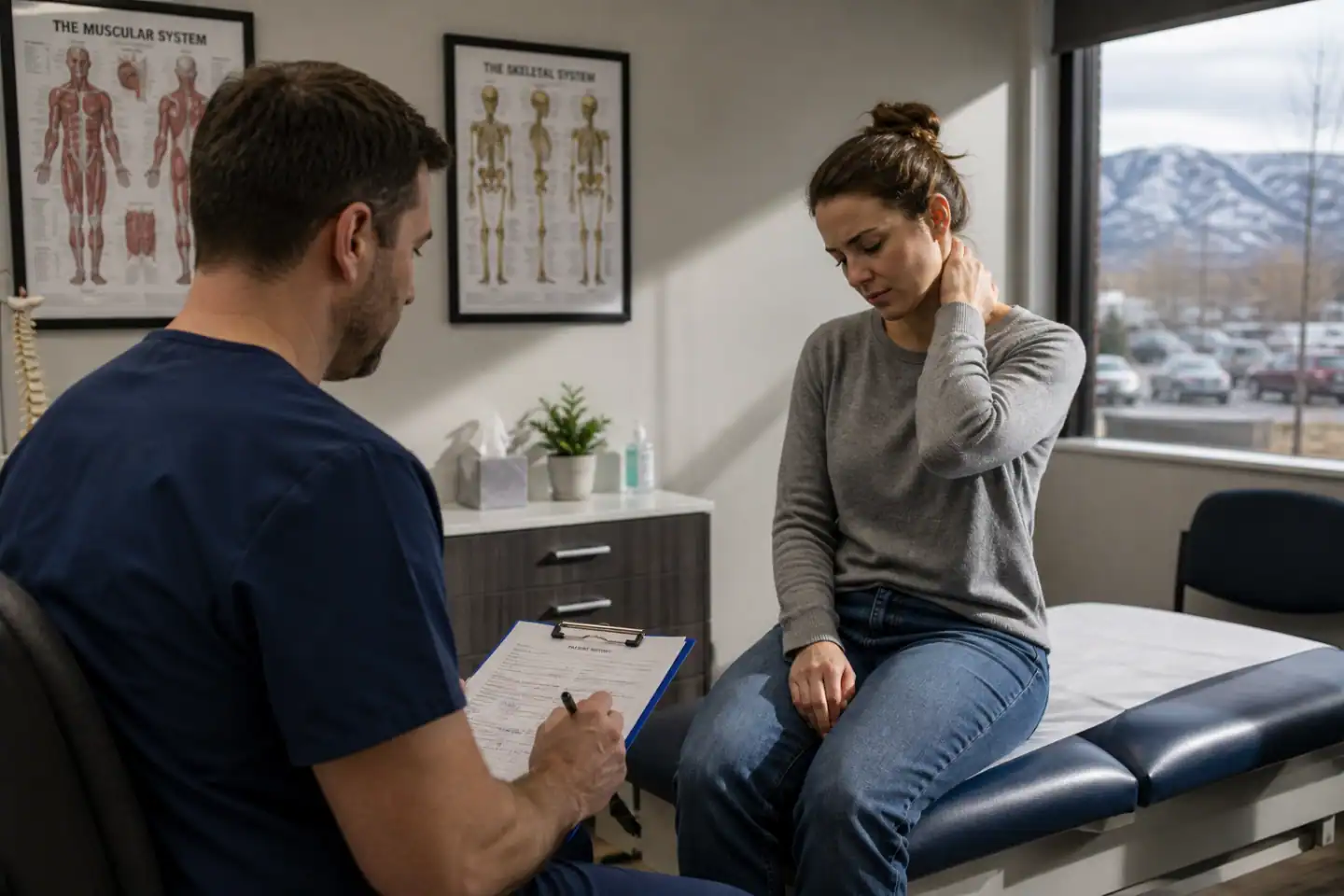
The single most consequential set of decisions in any Colorado car accident claim is not legal. It is medical. The physicians you see, the appointments you keep, the symptoms you report or fail to report, the treatments you follow or skip, the gaps in your record that you never thought about, all of it shapes what your case becomes long before any lawyer sends a demand letter or any adjuster makes an offer.
In our practice we see this pattern over and over. Two clients, similar accidents, similar initial injuries. One follows their treatment, documents everything, and goes through the process the right way. The other misses appointments, stops therapy because they “felt a little better,” posts hiking photos on Instagram, and eventually wonders why their case is worth a fraction of what they expected. The legal work matters, but the medical record is the foundation, and a foundation full of holes cannot support a strong recovery.
This article is the conversation we have with every new client. It is also the conversation we wish every accident victim was having from day one, whether they have hired counsel yet or not. If you are recently injured and trying to figure out what to do next, call us at 720-928-9178. The conversation is free, there is no obligation, and there is no fee unless we win your case.
Why the Medical Record Is the Spine of Your Case
Insurance carriers do not evaluate claims based on what really happened to your body. They evaluate claims based on what is documented in the medical record. If a symptom is not in the record, it effectively does not exist for purposes of claim valuation. If a treatment was not pursued, the carrier argues you did not need it. If there is a gap in treatment, the carrier argues you recovered during the gap. The record is the case.
Adjusters comb through medical records looking for anything they can use to reduce the value of the claim. Inconsistencies between what you told one provider and what you told another. Gaps between visits. Notes that suggest you missed appointments. Notes that suggest you reported feeling “better” before reporting feeling worse again. Each of these notes is a lever they will pull during negotiation.
This is not paranoia. This is how the claims industry trains adjusters to evaluate cases. Knowing it lets you make medical decisions that protect both your recovery and your case at the same time.
The First 72 Hours: Why Early Treatment Matters Most
The medical record created in the first 24 to 72 hours after a Colorado car accident is the foundation of everything that follows. Adrenaline can mask injury for hours, sometimes days, but the symptoms a doctor documents in those first visits anchor the entire claim.
Get evaluated even if you feel okay. The most expensive injuries we see, traumatic brain injuries, soft tissue injuries to the cervical spine, internal trauma, frequently present with delayed symptoms. A documented evaluation in the first 72 hours, even one where the physician notes complaints of mild discomfort, gives the medical record the connection it needs between the accident and any injuries that develop later. We address the medical literature on this in our resource on the science of why whiplash symptoms appear days after a collision.
Be specific with the provider. Tell them every symptom, even ones that seem minor. Tell them how the injury affects your sleep, your work, your daily activities. The doctor cannot put it in the chart if you do not say it.
Follow up with your primary care physician within the first week if your initial visit was at an emergency room or urgent care. Continuity of care, with one physician who knows you and the accident, strengthens the medical record substantially over time.
Treatment Consistency: The Single Biggest Factor in Claim Credibility
The medical decision that most often separates strong claims from weak ones is whether the claimant followed their treatment plan consistently.
If your physician recommends physical therapy three times a week, attending all sessions for the recommended duration is enormous. Missing sessions creates gaps. Stopping early creates gaps. Showing up sporadically creates gaps. Each gap becomes an argument in the adjuster’s hands.
Attend every recommended appointment. Yes, even when you are tired. Yes, even when the appointment is inconvenient. Yes, even when you “feel a little better.” Especially when you feel a little better, because soft tissue injuries plateau and then often worsen again as you return to normal activity. A treatment gap during a temporary plateau is one of the most damaging things that can happen to a claim.
If you cannot afford a copay or a session, call your attorney before missing the appointment. Many Colorado physicians treat accident victims on a lien basis, agreeing to be paid from the eventual settlement. We can connect clients with providers who work this way. The financial barrier is rarely a real reason to miss treatment if you have representation.
What “Maximum Medical Improvement” Means and Why You Should Not Settle Before You Reach It
Maximum medical improvement, or MMI, is the point at which further treatment is not expected to materially improve your condition. This is the point at which you and your treating physicians can finally see the full picture of what the injury has done to you, both the recoverable parts and the parts that will be permanent.
We do not negotiate seriously with insurance carriers until our clients reach MMI. Settling before MMI is one of the most expensive mistakes a claimant can make, because it caps the claim at what the injury looks like today rather than what it actually is. Carriers know this, which is why they push for early settlement, particularly in cases where the medical picture has not yet developed.
This is one of the reasons Colorado car accident claims often take longer than people expect. The timeline is set by your body, not by the case. Patience here is rewarded. Our Colorado car accident settlement guide walks through the full settlement timeline.
Independent Medical Examinations and Why They Are Not Independent
At some point in many Colorado car accident claims, the at-fault driver’s insurance carrier or your own UM/UIM carrier may demand that you submit to an examination by a doctor of their choosing. This is called an Independent Medical Examination, or IME. The doctor is not independent in any meaningful sense. They are paid by the carrier and their reports almost universally minimize the injuries of the people they examine.
We do not allow our clients to attend an IME alone or unprepared. The consequences of a badly handled IME can be severe. The carrier uses the IME report to argue that your injuries are not as severe as your treating physicians have documented, that they are not connected to the accident, or that you have already reached MMI when you have not.
Preparation, careful documentation, and sometimes the presence of a witness or your own physician can substantially affect the outcome. If you are facing an IME request and are unrepresented, this is one of the moments where having counsel changes the case.
Social Media and the Quiet Sabotage of Your Own Claim
Insurance carriers actively monitor social media for evidence to undermine claims. A photograph of you smiling at a family gathering. A Facebook post about a hike you went on. A tweet about an activity you participated in. An Instagram story showing you laughing at a wedding. Any of it can be used to argue that your injuries are not as severe as you say.
This is true even when your post does not actually contradict your claim. A picture of you at a wedding does not mean you are pain-free. But the photograph is evidence the adjuster can put in front of a jury, and the jury will form impressions before your lawyer can explain that you took a pain pill, sat down for most of the night, and went home in agony at nine.
The safest practice during the pendency of any Colorado personal injury claim is to post nothing related to your injuries, your activities, your physical condition, or your social life. Set your existing accounts to maximum privacy. Tell family members not to tag you in photographs. Treat anything you post as evidence the carrier will see, because they will.
The Pre-Existing Condition Question
Colorado law follows the eggshell plaintiff rule. The defendant takes the victim as they find them. If your accident worsened a pre-existing condition, the defendant is responsible for the worsening. Pre-existing conditions complicate cases, but they rarely defeat them.
The way pre-existing conditions are handled in the medical record matters. Your physicians need to understand the baseline before the accident, the change after the accident, and the relationship between the two. We work with treating physicians to make sure the record reflects this distinction clearly. A muddy record where the pre-accident and post-accident pictures blur together gives the carrier room to argue that everything you are experiencing was already there before the crash.
If you have a pre-existing condition and have been in an accident, do not hide it from your medical providers. Disclose it. The record needs to be honest. The advocacy comes from how the record is presented and argued, not from omitting information that the carrier will discover anyway through the discovery process.
When You Can Stop Treatment
You can stop treatment when your treating physician tells you to stop. Not before, and not because you “feel better.”
Self-discharge from treatment is one of the most damaging things a claimant can do. It signals to the carrier that you reached your own conclusion about your recovery, which they will use against the credibility of any later complaint. If you genuinely feel better and want to discontinue treatment, talk to your physician about it. Let them make the call, document it, and discharge you formally. The clean discharge from treatment is fundamentally different from the gap created by self-discontinuation.
Frequently Asked Questions
How soon should I see a doctor after a Colorado car accident?
As soon as possible. The first 24 to 72 hours matter most. Even if you feel fine, getting evaluated creates a documented connection between the accident and any symptoms that develop later. Adrenaline can mask injury for days.
What if I cannot afford medical treatment?
Many Colorado physicians treat accident victims on a lien basis, agreeing to be paid from the eventual settlement. MedPay coverage on your own policy can also pay medical bills regardless of fault. We help clients navigate the financial side and connect them with providers who work this way.
Do gaps in my medical treatment hurt my case?
Yes, often substantially. Gaps in treatment are one of the most common arguments insurance carriers use to discount injury claims. They argue that the gap means you recovered, even when it actually means you missed appointments for unrelated reasons.
Can I see my own doctor or do I need a special accident doctor?
You can and generally should see your own treating physicians. Continuity of care strengthens the medical record. Some accident-specific specialists, particularly chiropractors, physical therapists, and pain management physicians, may be added to the treatment team based on the injuries.
Should I tell my doctor about my accident?
Yes, always. The provider needs to know the accident happened to evaluate and document your injuries appropriately. Hiding the accident from medical providers creates gaps in the record that hurt the case.
What if the insurance company wants me to see their doctor?
This is an Independent Medical Examination request. You should consult with an attorney before agreeing to attend. The IME process has rules and protections that an unrepresented claimant often does not know about, and the consequences of a badly handled IME can be severe.
Should I talk about my injuries on social media?
No. Anything you post about your injuries, your activities, or your physical condition can be used against you. The safest practice is to post nothing related to the accident or your recovery until your case is fully resolved.
How long should I continue treatment?
Until your treating physician tells you to stop. Self-discharge from treatment damages claims. The clean medical discharge is fundamentally different from the gap created by stopping on your own.
What if I had a pre-existing condition before the accident?
Colorado follows the eggshell plaintiff rule. The defendant takes the victim as they find them, and if the accident worsened a pre-existing condition, the defendant is responsible for the worsening. Pre-existing conditions complicate cases but rarely defeat them. Disclose them honestly to your medical providers.
When should I call a lawyer about my Colorado car accident?
Sooner rather than later. The decisions made in the first weeks after an accident shape the entire case. Most clients tell us they wish they had called earlier. The conversation is free. There is no obligation. Call 720-928-9178 if you would like a candid assessment of your situation.
Sources
Colorado Revised Statutes 13-21-111: Comparative Negligence, leg.colorado.gov
Colorado Revised Statutes 13-80-101: Three-Year Limitation for Motor Vehicle Tort Actions, leg.colorado.gov
Colorado Revised Statutes 10-4-609: Uninsured Motorist Coverage, leg.colorado.gov
National Institutes of Health, National Library of Medicine, Whiplash and Soft Tissue Injury Literature, nih.gov
Centers for Disease Control and Prevention, Traumatic Brain Injury Resources, cdc.gov
Colorado Department of Transportation, Crash Data and Safety Resources, codot.gov
If you are recently injured and trying to figure out the medical and legal next steps, please call us. The conversation is free, there is no obligation, and we will tell you honestly what we see and what we recommend. The clients who recover the most are usually the ones who made good medical decisions in the first weeks after their accident, often guided by counsel they hired early. Reach Samantha Flanagan and the Flanagan Law team at 720-928-9178. We are a Colorado boutique firm. We answer our own phones. And we do not get paid unless we win your case.