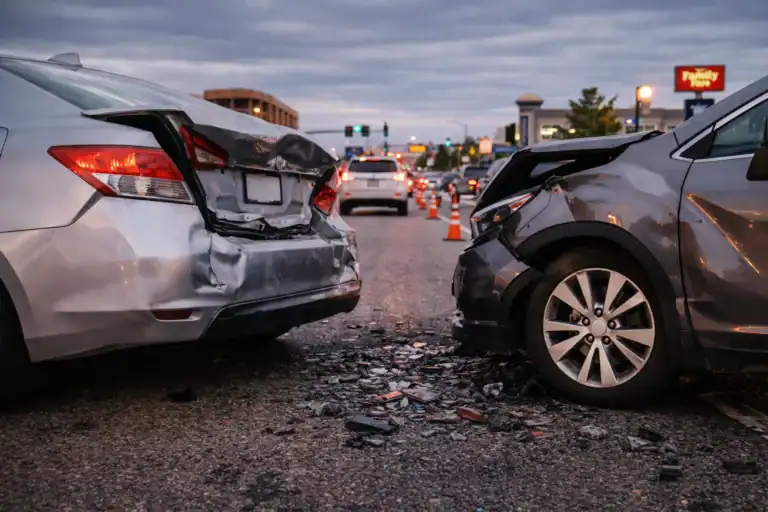
Animal Strike Accidents in Colorado: Deer, Elk, and the Laws That Govern Your Claim
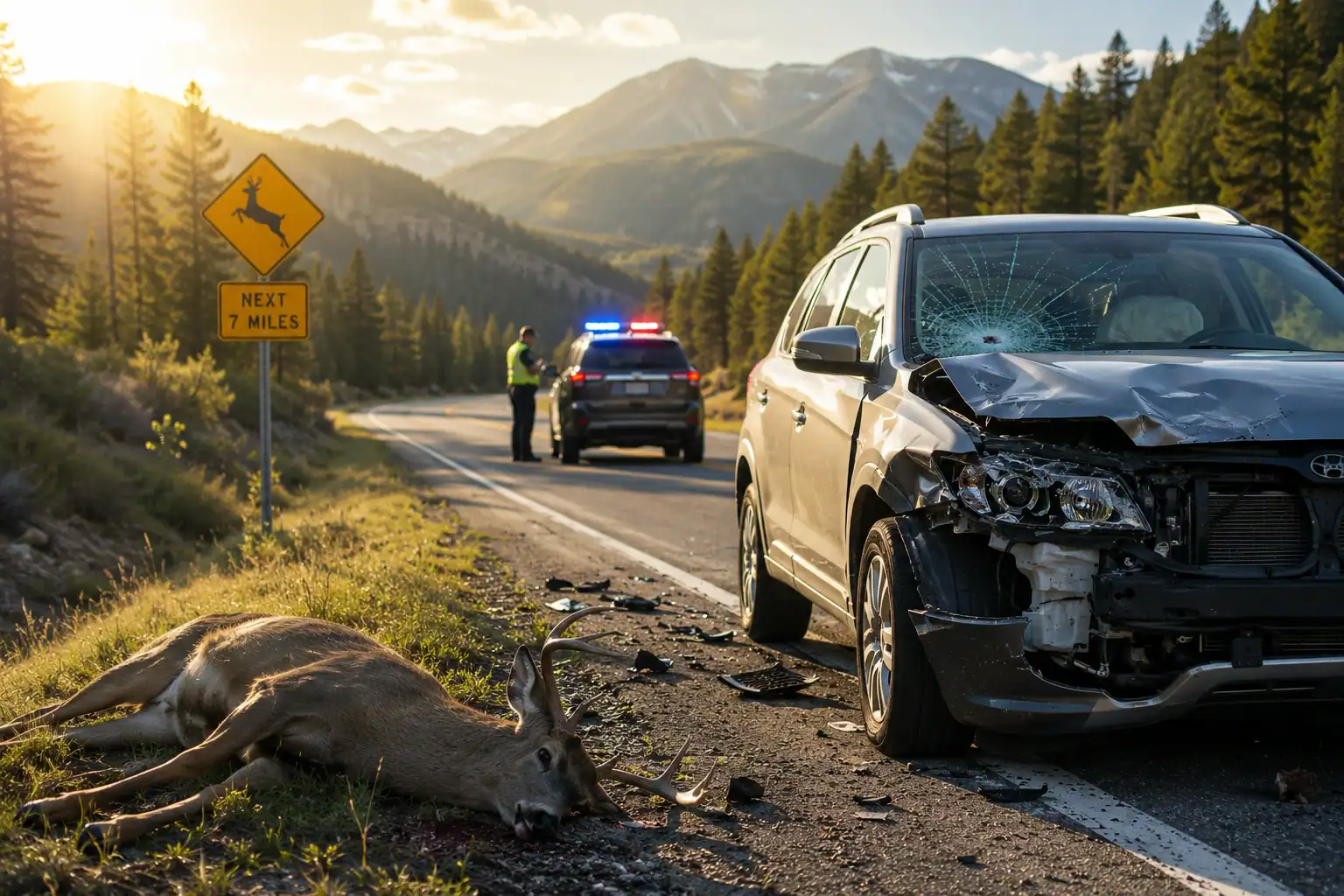
Hitting a deer at sixty miles per hour on a Colorado highway is one of the few crashes you cannot reasonably train for. The animal appears, you have a fraction of a second to react, and whatever happens next happens. Sometimes the deer goes through the windshield. Sometimes you swerve and hit a tree. Sometimes you swerve and hit another vehicle. Sometimes you just hit the deer straight on and the airbag deploys against your face at three hundred miles per hour and you spend the next year recovering from injuries you never thought you would have.
In our practice we handle animal strike crashes regularly, particularly in the mountain corridors and the foothill counties where deer and elk populations are concentrated. The legal and insurance picture in these cases is different from a typical vehicle-versus-vehicle crash, and the differences are worth understanding before you find yourself in one. This article covers the framework.
If you have been hurt in an animal strike crash, call us at 720-928-9178. The conversation is free, there is no obligation, and there is no fee unless we win your case.
Where and When Animal Strikes Happen Most
Colorado has one of the largest deer populations in the country and a substantial elk population concentrated in the mountain regions. The animal strike crashes we see cluster around predictable conditions.
The peak season for animal strikes is the fall, particularly October and November during the deer rut, when bucks are moving aggressively and crossing roads at unpredictable hours. A secondary peak occurs in late spring when fawns are being born and does are moving.
The peak times of day are dawn and dusk. Deer and elk are crepuscular, meaning they are most active during the low-light hours that also happen to be the worst for driver visibility.
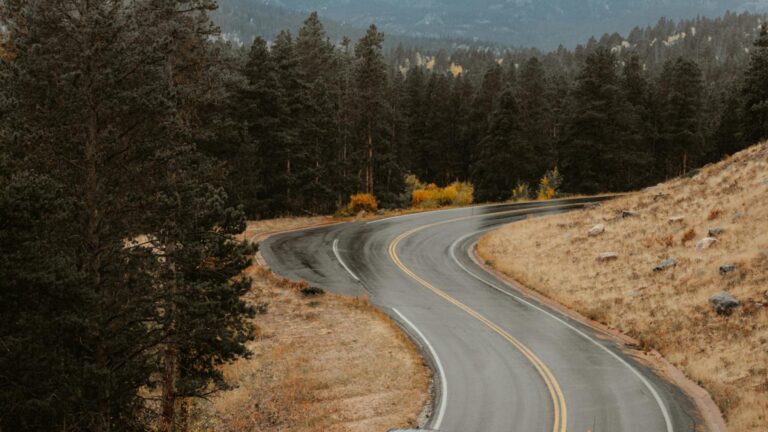
The peak corridors include the I-70 mountain corridor through the Front Range, US-285 through Park County and Jefferson County, US-40 through Grand County and beyond, US-34 through Estes Park and the eastern plains, Highway 9 between Frisco and Kremmling, the foothill stretches of Highway 6 and Highway 119, and the rural sections of nearly every state highway in the western half of the state.
The crashes we see in these corridors are remarkably consistent in their patterns.
The Insurance Coverage That Pays
The insurance dynamics in an animal strike crash are different from a two-vehicle crash. There is no at-fault other driver. The recovery depends on your own policy.
Comprehensive coverage. Animal strikes are covered under the comprehensive portion of your auto policy, not under collision. This is one of the few situations where the distinction matters substantially. Comprehensive coverage applies regardless of fault and is subject only to your deductible. If you carry comprehensive coverage, your insurer will pay for the vehicle damage minus the deductible.
Medical Payments Coverage (MedPay). Your MedPay coverage pays your medical bills regardless of fault, up to your policy limit. This is one of the most underused coverages on a Colorado auto policy and is particularly valuable in single-vehicle accidents like animal strikes where there is no at-fault driver to pursue. We have written about MedPay extensively in our complete guide to Colorado auto insurance.
Health insurance. Your health insurance also pays for treatment after the accident. The interaction between MedPay and health insurance, including subrogation issues, is addressed in our guide to medical liens, ERISA, Medicare, and Medicaid.
Personal Injury Protection (PIP) is not a standard Colorado coverage. Colorado moved away from no-fault auto insurance years ago. Drivers occasionally carry endorsements that function similarly, but the standard Colorado policy does not include PIP.
Uninsured Motorist Coverage. UM coverage typically does not apply to a single-vehicle animal strike, because there is no other vehicle involved. There are narrow exceptions, including hit-and-run situations where the animal strike was caused by another driver’s negligence, but the standard animal strike does not trigger UM.
When the Crash Becomes Multi-Vehicle
Many animal strikes do not stay single-vehicle crashes. The driver swerves to avoid the animal, loses control, and strikes another vehicle. Or the animal strike causes the driver to lose control and the vehicle ends up in oncoming traffic. Or a multi-car pileup follows behind the driver who hit the animal.
Once another vehicle is involved, the framework shifts. Comparative negligence applies. The question becomes who was at fault for the multi-vehicle aspects of the crash. The driver who swerved to avoid the animal is not generally at fault for the animal strike itself but may be at fault for the lane departure or loss of control that followed. These cases are fact-specific.
When Someone Else Is Liable
There are some animal strike scenarios where another party may bear liability.
Negligent driver behavior. If another driver caused you to swerve into the animal or made avoidance impossible, the other driver may bear liability.
Improperly secured livestock. If the animal was domestic livestock that escaped from a property that failed to maintain its fences properly, the property owner may bear liability under CRS 35-46-101 and related statutes governing fence-out and fence-in livestock rules. Colorado’s open range laws are jurisdiction-specific and the analysis is fact-intensive.
Government liability for road maintenance. In rare cases, government entities may bear liability for road conditions that contributed to the crash. The Governmental Immunity Act framework discussed in our recent piece on suing government entities under CRS 24-10 applies, including the 182-day notice deadline.
Auto manufacturers. If a vehicle defect, including a failure of the airbag system, the steering system, or the braking system, contributed to the severity of the crash or the injuries, product liability may apply.
What to Do Immediately After an Animal Strike
If you can move safely, do so. The corridor where the strike occurred may not be a safe place to remain. If your vehicle is operable and it is safe to do so, move to the shoulder.
Call 911. Even if you are not seriously injured, the call creates a record. Colorado State Patrol or county sheriff deputies often respond to animal strike calls.
Report the strike to Colorado Parks and Wildlife or the local jurisdiction if applicable. Some jurisdictions require a report. The animal carcass also needs to be removed from the road for safety, and the report initiates that process.
Document the scene. Photographs of the vehicle, the animal, the road, the conditions, and any visible injuries.
Seek medical attention. Animal strike injuries can be severe even when the visible vehicle damage is moderate. Airbag deployment injuries, seat belt loading injuries, neck and back injuries from violent deceleration, and psychological trauma all need to be evaluated promptly.
Notify your own insurance carrier under the comprehensive coverage, and notify them about any medical claim under MedPay.
Do not assume the case is straightforward just because there is no other driver. The insurance dynamics, the medical recovery, and the long-term consequences can all be complicated.
Frequently Asked Questions
Does my insurance cover hitting a deer in Colorado?
Comprehensive coverage on your auto policy covers animal strikes. If you do not carry comprehensive coverage, the vehicle damage is your responsibility. MedPay and health insurance cover medical bills.
Will my insurance rates go up after I hit a deer?
Animal strikes are typically classified as comprehensive claims rather than at-fault accidents, and most carriers do not raise rates for comprehensive claims. Carrier practices vary, however, and you should ask your agent specifically.
Should I swerve to avoid hitting a deer?
The standard advice from safety experts is generally not to swerve, because swerving often produces worse outcomes than the deer strike itself. This is not legal advice, however, and the right action in any specific situation depends on the conditions.
What if the deer caused me to crash into another vehicle?
The other-vehicle aspects of the crash are governed by Colorado’s comparative negligence rules. Liability depends on the specific facts and may involve multiple parties.
What if I hit livestock rather than wildlife?
Domestic livestock crashes may involve liability of the property owner under Colorado’s open range and fence-out rules. The analysis is jurisdiction-specific.
How serious can animal strike injuries be?
Very serious. Airbag deployment injuries, seat belt loading injuries, cervical and lumbar injuries from violent deceleration, and psychological trauma are all common in serious animal strike cases. The crashes that involve a deer or elk through the windshield can be catastrophic or fatal.
Is the state liable for animal strikes on Colorado highways?
Generally no. Colorado does not maintain the position that wildlife strikes are the state’s responsibility. Narrow exceptions exist for road maintenance issues, but these are fact-specific.
Sources
Colorado Revised Statutes 35-46-101 et seq.: Fences and Livestock Provisions, leg.colorado.gov
Colorado Revised Statutes 13-21-111: Comparative Negligence, leg.colorado.gov
Colorado Revised Statutes 13-80-101: Three-Year Limitation for Motor Vehicle Tort Actions, leg.colorado.gov
Colorado Parks and Wildlife, Wildlife-Vehicle Conflict Resources, cpw.state.co.us
Colorado Department of Transportation, Wildlife Crash Data, codot.gov
Insurance Information Institute, Comprehensive vs Collision Coverage, iii.org
If you have been hurt in an animal strike crash, please call us. The conversation is free, there is no obligation, and we will tell you honestly what we see and what your options are. Reach Samantha Flanagan and the Flanagan Law team at 720-928-9178. We are a Colorado boutique firm. We answer our own phones. And we do not get paid unless we win your case.