How Colorado’s Construction Zone Laws Assign Liability When Workers or Drivers Are Injured
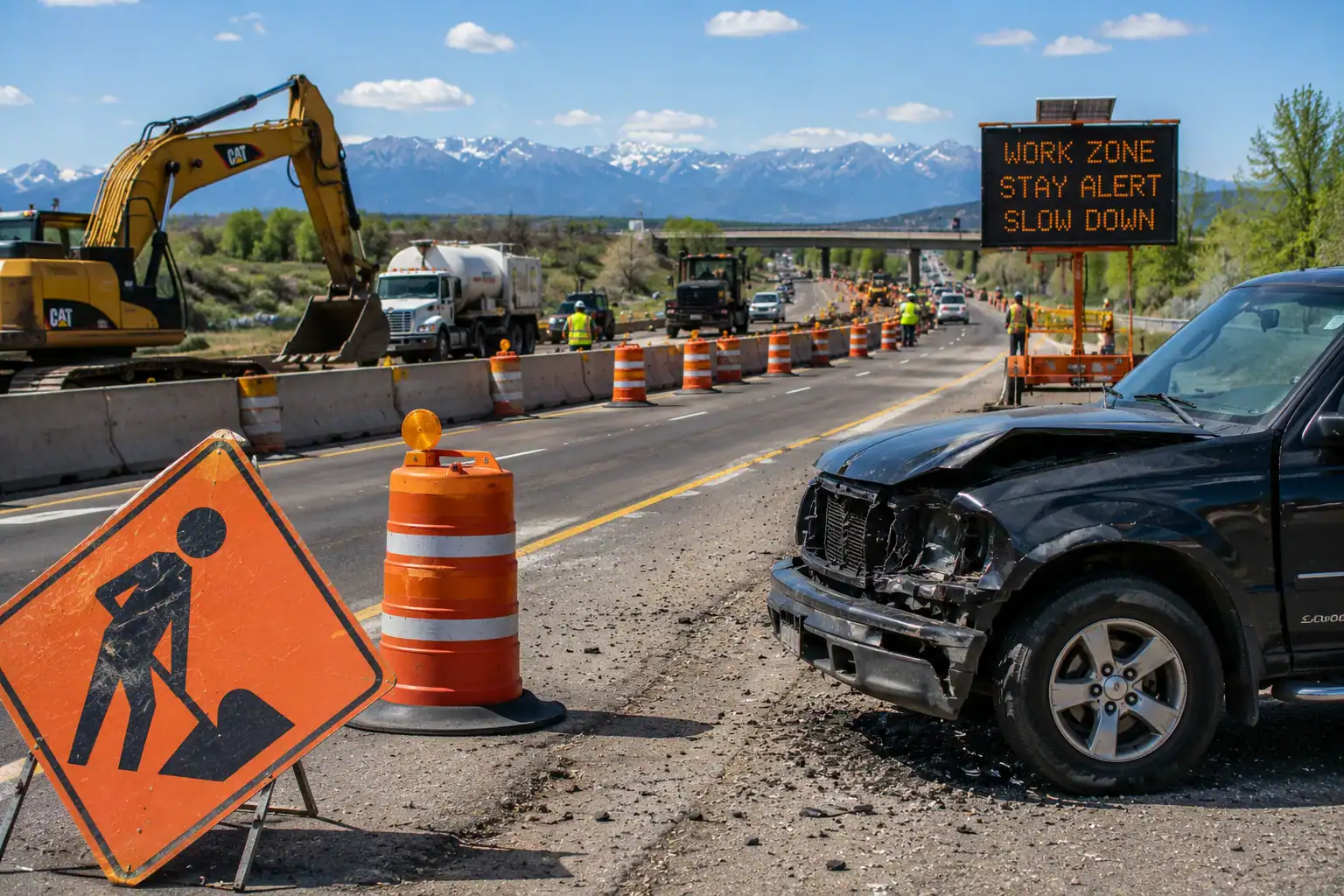
Construction zone crashes are some of the most legally complex vehicle accident cases in Colorado. The liability picture is rarely just driver-versus-driver. It often involves the prime contractor, subcontractors, the Colorado Department of Transportation, the municipality if local roads are involved, and sometimes equipment manufacturers, traffic control vendors, and individual workers operating equipment in the zone. When someone is hurt in a construction zone, whether a worker, a passing driver, or a passenger in a vehicle, the question of who pays is layered and worth understanding before any claim is filed.
This article is the deeper companion to our existing piece on construction zone accidents in Colorado and who is liable when the worksite causes the crash. It walks through the legal framework, the parties typically involved, the special procedures that apply, and the strategic considerations that shape these cases.
If you have been hurt in a Colorado construction zone, please call us at 720-928-9178. The conversation is free, there is no obligation, and there is no fee unless we win your case.
Why Construction Zone Cases Are Different
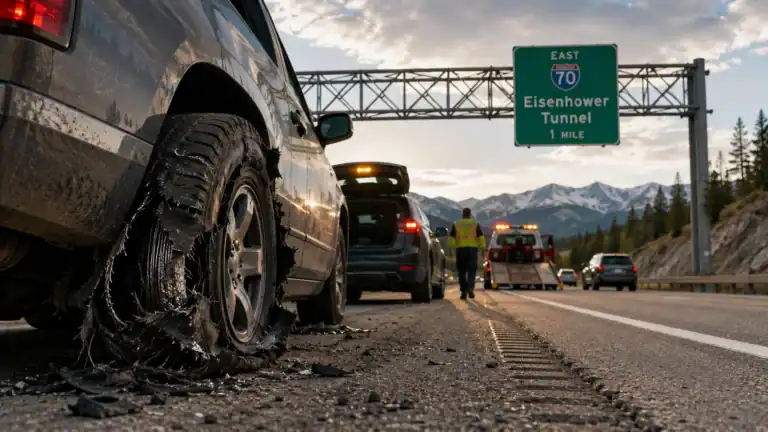
A construction zone is a hazard the road is supposed to warn drivers about, protect workers within, and keep safe for both. The zone is set up under detailed standards that include traffic control devices, signage, lane configurations, lighting, equipment positioning, and worker placement. When someone is hurt in or near the zone, the question of liability often turns on whether the zone was set up and maintained according to those standards.
The Manual on Uniform Traffic Control Devices, the federal standard adopted in Colorado, governs how construction zones must be marked and managed. The Colorado Department of Transportation has its own standards layered on top. The contracts between CDOT or municipalities and the construction firms doing the work include specific safety obligations. All of these standards and contracts become evidence when something goes wrong.
The result is a case that often requires construction industry expertise to evaluate, beyond the standard accident reconstruction work. We work with traffic control engineers, construction safety experts, and OSHA professionals when the case warrants it.
Who Can Be Liable in a Construction Zone Crash
The parties whose conduct may have contributed to a construction zone crash typically include the following.
The driver of the vehicle that caused the crash. Under Colorado’s modified comparative negligence rule, a driver who failed to slow down, failed to follow traffic control, or was distracted in a posted construction zone bears responsibility for the consequences. Colorado increases penalties for traffic violations in construction zones, and these violations are often clear evidence of fault.
The prime contractor. The general contractor running the construction project has overall responsibility for the safety of the zone. Failure to set up traffic control devices properly, failure to maintain them, failure to comply with the contract’s safety requirements, all support liability against the prime.
Subcontractors. Specialized work in the zone, paving, electrical, traffic control, equipment operation, is often subcontracted. A subcontractor whose employee operated equipment unsafely or whose failure to follow safety procedures contributed to the crash bears responsibility under standard negligence rules.
The Colorado Department of Transportation. CDOT is governed by the Governmental Immunity Act discussed in our Monday article on suing government entities under CRS 24-10. The Act allows certain claims against the agency, particularly those involving the operation of motor vehicles by public employees and certain claims involving the construction or maintenance of public roads.
The municipality if the project is on local roads. Cities and counties are also subject to the Governmental Immunity Act and the 182-day notice requirement.
Equipment manufacturers. If a piece of construction equipment failed mechanically and that failure contributed to the crash, the manufacturer of the equipment may bear liability under product liability principles.
Traffic control vendors. The companies that provide and place traffic control devices, signs, barrels, and barriers can be liable if the placement was negligent or if the devices were defective.
The driver of any other vehicle whose conduct contributed. Multi-vehicle construction zone crashes often involve drivers behind the original at-fault driver who also contributed by following too closely or failing to react.
The Worker Who Is Hit by a Vehicle
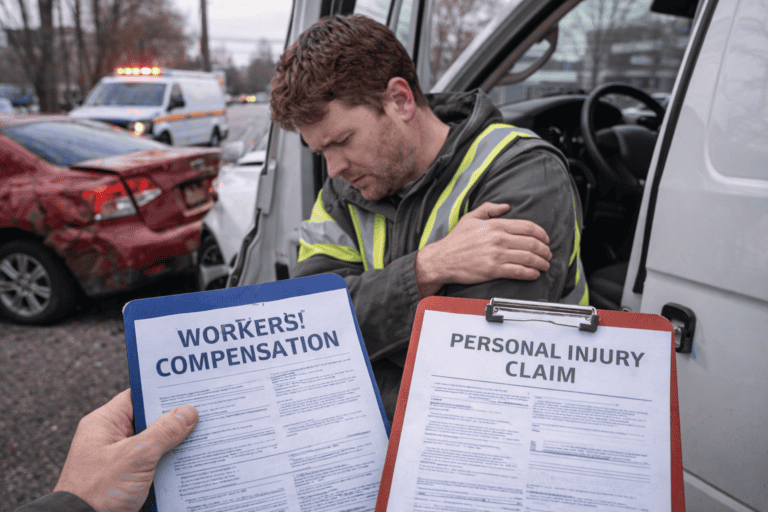
A construction worker struck by a passing vehicle in a Colorado construction zone has multiple potential paths to recovery.
Workers compensation is the primary remedy against the worker’s own employer. Colorado’s workers comp system provides medical benefits and a portion of lost wages but limits the worker’s ability to sue the employer directly. The system is statutory and the benefits are calculated by formula.
A third-party tort claim against the at-fault driver provides recovery beyond what workers comp pays. The driver’s insurance, including any commercial coverage if the driver was working at the time, becomes the source of additional recovery. The third-party claim allows recovery of pain and suffering, full lost wages, and other damages that workers comp does not cover.
Workers comp subrogation typically applies to the third-party recovery, meaning the workers comp carrier may recover what they paid out of the third-party settlement. The interaction between the two systems is complex and worth careful navigation.
A claim against a third-party contractor or subcontractor whose conduct contributed, in addition to the at-fault driver, can also support recovery. If a co-contractor’s negligent traffic control setup contributed to the crash, that contractor is potentially liable in addition to the driver.
The Driver Who Is Hit in a Construction Zone
A driver hurt by another vehicle in a construction zone, or by an equipment operator who entered the travel lane improperly, also has multiple recovery paths.
The at-fault driver’s liability coverage is the first source. The full insurance picture, including the at-fault driver’s primary, umbrella, and any commercial coverage if applicable, is investigated thoroughly.
Your own UM/UIM coverage applies if the at-fault driver’s coverage is exhausted or non-existent. We have discussed this in detail in our complete guide to Colorado auto insurance.
A claim against the contractor whose work zone failed to provide adequate warning may also be available, depending on the specific circumstances. If the construction zone was set up improperly and the inadequate setup contributed to the crash, the contractor bears responsibility.
A claim against a government entity may apply if a state, county, or city worker or vehicle was directly involved. The 182-day notice deadline applies to any government claim.
The Penalties That Increase in Construction Zones
Colorado law increases penalties for moving violations in active construction zones. Speeding fines double. Reckless driving in a zone can produce enhanced charges. These enhanced penalties exist because construction zone crashes are particularly dangerous and the conduct that causes them is particularly culpable.
The enhanced penalties are also useful evidence in the civil case. A driver convicted of a moving violation in a construction zone provides strong support for the liability picture in the related injury claim.
What to Do Immediately After a Construction Zone Crash
Call 911. Get police and EMS to the scene.
Document the scene thoroughly. The construction zone setup is evidence. The signs, the traffic control devices, the lane configuration, the position of equipment and workers, all of it matters. Photographs that capture the zone as it existed at the moment of the crash are valuable later, particularly if the contractor reconfigures the zone before formal investigation occurs.
Identify all parties on the scene. The contractor names, the equipment numbers, the worker names, the supervisor on duty. Construction zones are crowded with parties whose identification later becomes essential.
Seek medical attention. The injury picture must be documented from the start. We have written about this in our recent piece on how post-accident medical treatment decisions make or break your Colorado claim.
Notify your own insurance carrier.
Do not give a recorded statement to any insurance carrier until you have spoken with counsel. The construction zone case is complex enough that early statements often introduce errors or omissions that hurt the case later.
Engage counsel quickly. Construction zone cases benefit from early evidence preservation, including preservation letters to contractors, equipment recordkeeping requests, and prompt scene documentation. Cases handled quickly produce better outcomes than cases handled after evidence has been lost.
Frequently Asked Questions
How long do I have to file a construction zone accident claim in Colorado?
Three years from the date of the accident under CRS 13-80-101 for personal injury claims arising from a motor vehicle. If a government entity is involved, the 182-day notice deadline under CRS 24-10-109 applies. Workers comp claims have their own deadlines under the Colorado Workers Compensation Act.
Are construction zone violations more serious than other traffic violations?
Yes. Colorado law doubles fines for moving violations in active construction zones. Reckless driving in a zone can produce enhanced charges. The enhanced penalties also support the civil case.
Can I sue the contractor if the construction zone was set up improperly?
Potentially. A contractor whose negligent zone setup contributed to the crash bears liability under standard negligence rules. Whether the case is viable depends on the specific facts, the applicable safety standards, and the evidence available.
What if I am a worker hit by a passing vehicle?
Workers compensation provides the primary remedy against your employer. A third-party tort claim against the at-fault driver provides additional recovery. The two systems interact through subrogation rules, and the workers comp carrier typically recovers a portion of any third-party settlement.
Does CDOT have liability for construction zones on state highways?
CDOT can have liability under the Governmental Immunity Act in certain circumstances. The 182-day notice deadline applies, and the analysis depends on the specific facts of the case.
What about federal interstate construction projects?
Federal projects on the interstate system may involve federal contractors and federal liability rules, but the on-the-ground operations are usually handled by state agencies and private contractors. The same general framework applies.
What if equipment in the construction zone caused the crash?
Equipment manufacturers, equipment owners, and equipment operators can all be liable depending on the specific circumstances. Product liability claims apply if mechanical failure contributed.
Sources
Colorado Revised Statutes 13-21-111: Comparative Negligence, leg.colorado.gov
Colorado Revised Statutes 13-80-101: Three-Year Limitation for Motor Vehicle Tort Actions, leg.colorado.gov
Colorado Revised Statutes 24-10-101 et seq.: Colorado Governmental Immunity Act, leg.colorado.gov
Colorado Revised Statutes 24-10-109: Notice of Claim, leg.colorado.gov
Colorado Revised Statutes 42-4-614: Construction Zone Penalties, leg.colorado.gov
Colorado Workers Compensation Act, CRS Title 8 Article 40 et seq., leg.colorado.gov
Federal Highway Administration, Manual on Uniform Traffic Control Devices, mutcd.fhwa.dot.gov
Colorado Department of Transportation, Construction and Maintenance Resources, codot.gov
Occupational Safety and Health Administration, Highway Work Zone Safety, osha.gov
If you have been hurt in a construction zone in Colorado, please call us. The cases are complex, the deadlines are tight, and the recovery picture often involves multiple parties. The conversation is free and there is no obligation. Reach Samantha Flanagan and the Flanagan Law team at 720-928-9178. We are a Colorado boutique firm. We answer our own phones. And we do not get paid unless we win your case.