Why a Doctor’s Referral for Medical Massage Matters to Your Claim
Soft tissue injuries are among the most common results of a car crash. Whiplash, strained back muscles, and tight, painful shoulders often respond well to medical massage. Yet when the bills reach an insurance adjuster, massage is one of the first treatments to get cut. The reason is usually not the massage itself. It’s the paperwork behind it. For patients of Healing Solutions Inc. in Broomfield, one of Flanagan Law’s Power Partners, a referral from a treating provider can be the difference between massage that counts in a claim and massage an adjuster dismisses.
What makes medical massage different from a regular massage?
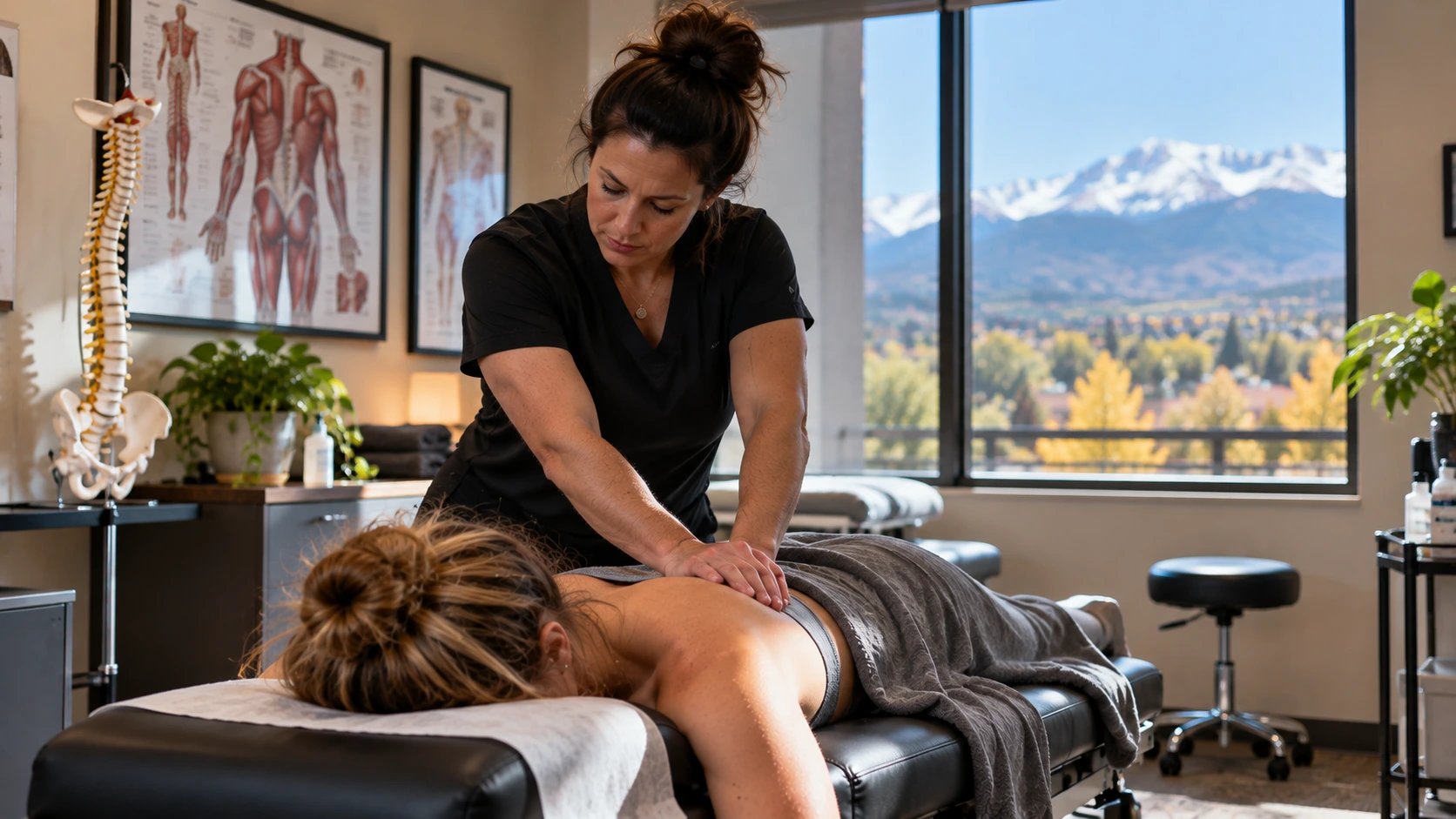
Medical massage is massage therapy directed at a diagnosed injury, with specific goals, measured progress, and coordination with the patient’s treating provider. A relaxation massage aims to help you feel good for an afternoon. Medical massage aims to reduce muscle spasm, restore range of motion, and support healing of a documented injury. Healing Solutions owner Suzette Skidmore is a licensed massage therapist with medical massage training, and that clinical focus is what separates treatment from pampering in the eyes of an insurer. Our earlier article on what soft tissue care can do for your recovery covers the treatment side in detail.
Why do insurers question massage after a crash?
Insurers question massage because they can argue it was a personal choice rather than necessary medical care. In a Colorado injury claim, the at-fault driver’s insurer pays for treatment that is reasonable, necessary, and caused by the crash. An adjuster who sees massage bills with no connection to a diagnosis will argue the patient chose a comfort service on their own. Without a provider saying the massage was part of the treatment plan, that argument is easy to make.
How does a doctor’s referral change the picture?
A referral connects the massage to a diagnosis and a treating provider’s medical judgment. It shows that a doctor, chiropractor, or other treating provider examined you, identified a soft tissue injury, and decided massage therapy was an appropriate part of care. That turns massage from a decision you made into a recommendation your provider made. Adjusters still review the bills, but now they have to argue with a medical opinion rather than with you.
What should a good referral include?
A strong referral names the diagnosis, the body areas to be treated, the goals of treatment, and the recommended frequency and duration. For example, a referral might call for massage to the cervical and upper thoracic muscles twice a week for six weeks to reduce spasm and improve neck rotation after a whiplash injury. The more specific the referral, the easier it is to show each session served a medical purpose. A one-line note that just says “massage” is better than nothing but leaves room for an adjuster to question how much care was needed.
Why does timing of the referral matter?
A referral issued before massage begins carries the most weight because it shows the massage was part of the plan from the start. A referral written months later, after the sessions are done, can look like paperwork created to support a claim. If you have already started massage without a referral, ask your treating provider to evaluate whether it is helping and to document that opinion now. Then keep the referral and the massage notes moving together from that point forward.
How do massage notes and the referral work together?
Massage notes show what the referral predicted. When session notes record which muscles were treated, what the therapist found, and how your pain and movement changed, they connect each visit to the goals in the referral. When your treating provider re-evaluates you and sees improvement, the record tells a consistent story from diagnosis to recovery. Gaps between those records give adjusters room to argue, which our article on why fragmented medical records weaken a Colorado injury claim explains.
Can medical payments coverage pay for medical massage?
Often, yes. Medical payments coverage on your own auto policy pays for reasonable medical expenses from a crash regardless of fault, and many policies cover massage therapy when it is part of medically directed care. A referral helps there too, because your own insurer will ask the same question the other driver’s insurer asks: was this treatment medically necessary? Our article on medical payments coverage vs. health insurance explains how that coverage works.
Frequently Asked Questions
Do I need a doctor’s referral for massage after a car accident?
You don’t need one to receive massage, but a referral makes it much more likely the cost will be accepted in your injury claim. A referral from a treating provider ties the massage to a diagnosed injury and shows it was part of medical care rather than a personal choice.
Who can write a referral for medical massage in Colorado?
A treating provider who has examined you and diagnosed your injury, such as a physician, physician assistant, nurse practitioner, or chiropractor, can recommend massage therapy as part of your care. What matters most for a claim is that the provider documents the diagnosis and explains why massage is appropriate.
Will insurance pay for medical massage after a crash?
It depends on the coverage and the documentation. The at-fault driver’s insurer may pay for massage as part of your damages when it is reasonable and medically necessary, and your own medical payments coverage may pay as well. A referral and detailed session notes make payment far more likely.
What if I started massage before getting a referral?
Ask your treating provider to evaluate you, review whether the massage is helping, and document a recommendation going forward. Sessions before the referral may be harder to recover, but a clear opinion now protects the care that follows and helps explain the care that came before.
Where is Healing Solutions located?
Healing Solutions Inc. is based in Broomfield, Colorado, and is owned by Suzette Skidmore, a licensed massage therapist with medical massage training. The practice focuses on therapeutic and medical massage for people recovering from injuries, including car accident injuries.
Can Flanagan Law help if I’m receiving massage therapy after a crash?
Yes. Flanagan Law can review your treatment records early, help make sure your referral and session notes support your claim, and handle communication with insurers. Call 720-928-9178 for a free consultation.
Learn more about Healing Solutions at healingsolutionsinc.com.
If you were injured in a Colorado car accident and are receiving massage therapy as part of your recovery, call Flanagan Law at 720-928-9178 for a free consultation.