Fall Sports Carpools in Colorado: Passenger Restrictions, Liability, and the Waiver That Does Not Cover What You Think
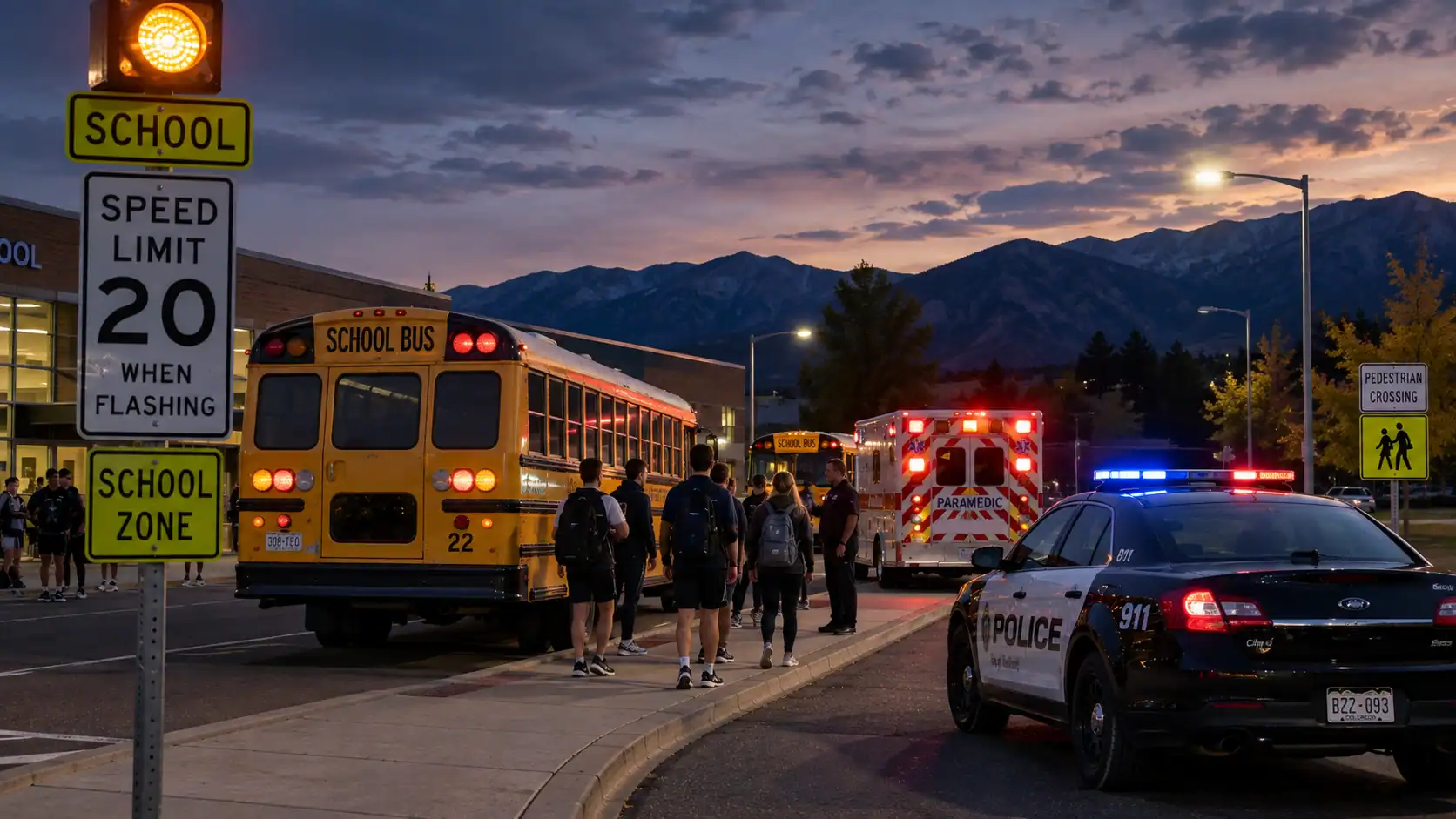
September changes the driving pattern for Colorado families in a specific way. Practice ends after dark. A teammate needs a ride. A parent who has driven the carpool all summer hands the keys to a sixteen year old because it is easier.
Two things happen at once. A newly licensed driver takes on the two conditions that most reliably cause teen crashes, darkness and passengers, and a set of legal questions activates that almost nobody in the arrangement has considered.
Colorado’s Restrictions Are Not Suggestions
Colorado’s graduated licensing system restricts newly licensed minor drivers in ways that map directly onto fall sports season.
Passengers. For the first period after licensing, a minor driver may not carry passengers under a specified age without a qualifying adult present. That restriction eases somewhat after a further period, permitting a limited number of young passengers. The entire structure exists because crash risk for teen drivers rises sharply with each additional teen passenger in the vehicle.
Nighttime driving. Minor drivers face a nighttime restriction during the initial period after licensing, with limited exceptions. Fall sports practice ending at eight or nine in the evening does not automatically fall within those exceptions.
The specifics depend on the driver’s age, license date, and time elapsed, and they are covered in how Colorado’s graduated driver licensing law affects teen accident liability.
What matters here is the civil consequence. A restriction violation is a traffic matter on its own, but in an injury claim it becomes something more. A driver operating outside the conditions of their license, in the exact circumstance the restriction was written to prevent, gives the other side a straightforward negligence argument. And a parent who knew about the arrangement is exposed independently.
Who Is Actually Liable in a Carpool Crash
Carpools scramble the usual analysis because the driver, the vehicle owner, and the injured passengers all belong to different households.
The teen driver. Personally responsible for their own negligence, though a minor rarely has assets. The practical question is what insurance responds.
The vehicle owner’s policy. Auto insurance generally follows the vehicle. A permissive driver is typically covered under the owner’s policy, which is why the owner’s coverage limits usually matter more than anything else in the case. Households carrying minimum limits with several injured teenagers in the vehicle run out of coverage almost immediately.
The parent, through independent theories. Colorado recognizes liability for entrusting a vehicle to someone the owner knew or should have known was likely to drive unsafely. A parent who permits a newly licensed driver to transport teammates at night, in violation of license restrictions, is squarely inside that theory. Parental responsibility also arises through the signature required on a minor’s license application, and through general responsibility rules covered in our teen driver material.
Another driver. Frequently the carpool driver is not at fault at all, and the passengers have claims against whoever caused the crash. Passenger claims are among the cleanest in injury law, since a passenger is almost never comparatively at fault.
The passengers’ own household policies. Uninsured and underinsured motorist coverage from the injured passenger’s own family policy often becomes the meaningful source of recovery, particularly where several people were hurt and the responsible policy is small. Parents rarely think to check this and should.
The Waiver Question
Athletic programs collect a stack of signatures every August, and one of them usually addresses transportation.
Colorado does permit a parent to release certain prospective negligence claims on behalf of a minor participating in an activity, which is a departure from many other states. That is genuinely meaningful and it is why these forms exist in the volume they do.
The reach is narrower than most parents assume. A release does not cover willful and wanton conduct. It runs in favor of the entity named in it, typically the school or club, and it does not create protection for a private individual driving a personal vehicle who was not part of the released relationship. It does not eliminate a claim against another motorist who caused the crash. And a form signed for participation in a sport does not automatically extend to every transportation arrangement families make informally among themselves.
The practical takeaway is not that waivers are meaningless. It is that a signature collected in August provides far less coverage for an informal carpool in October than the parents involved tend to believe.
Before the Season, Not After
- Confirm exactly which restrictions apply to your teen right now, based on license date rather than assumption
- Tell your insurer that a licensed teen is driving, since coverage disputes arise over undisclosed household drivers
- Check your own liability limits, because minimum coverage against several injured passengers is inadequate
- Confirm you carry meaningful uninsured and underinsured coverage, which protects your child in someone else’s vehicle
- Read the transportation section of the athletic paperwork rather than signing the stack
- Agree explicitly among carpool families who is driving, in whose vehicle, and after what hour
- Set a rule about phones that survives contact with a car full of teammates
Our parent’s guide to teen driver safety covers the broader supervision question, and when your child is injured in another person’s vehicle covers what happens after a crash where your child was the passenger.
Frequently Asked Questions
Can a teen driver in Colorado carry passengers?
Not without limits. Colorado restricts young passengers for newly licensed minor drivers during an initial period after licensing, easing to a limited number after a further period. The rules depend on the driver’s age and license date. The restriction exists because crash risk for teen drivers increases with each additional teen passenger.
Does Colorado restrict nighttime driving for teens?
Yes. Minor drivers face a nighttime driving restriction during the initial period after licensing, subject to limited exceptions. Fall practices and games that end in the evening do not automatically qualify for those exceptions, which is worth confirming against your teen’s specific license date before the season starts.
Whose insurance covers a teen carpool crash?
Auto coverage generally follows the vehicle, so the vehicle owner’s policy is usually primary for a permissive driver. When injuries exceed those limits, which is common with several injured passengers, the injured families’ own uninsured and underinsured motorist coverage frequently becomes the meaningful source of recovery.
Can a parent be liable if their teen crashes with other kids in the car?
Potentially, through more than one theory. Colorado recognizes liability for entrusting a vehicle to someone the owner knew or should have known would drive unsafely, and permitting a newly licensed driver to carry passengers at night in violation of license restrictions fits that pattern. Parental responsibility also arises from the signature required on a minor’s license application.
Does a school sports waiver protect a parent driving a carpool?
Generally not. Colorado permits parents to release certain prospective negligence claims on behalf of a minor, but such releases run in favor of the entity named in the document, typically the school or club. They do not cover willful and wanton conduct, and they do not create protection for a private individual in a personal vehicle under an informal arrangement among families.
My child was a passenger in a crash. Can they still recover?
Almost always. Passengers are rarely comparatively at fault, which makes these among the cleanest claims in injury law. The claim may run against the driver of the vehicle they were in, another motorist, or both, and coverage from the injured child’s own household policy may apply as well.
Talk to Flanagan Law
Flanagan Law is a boutique Colorado firm handling vehicle accident cases across the Denver metro and Front Range. If your child was hurt in a crash while riding with or driving a carpool, call 720-928-9178. Someone answers 24 hours a day.
This article is general information about Colorado law and is not legal advice for your particular situation.