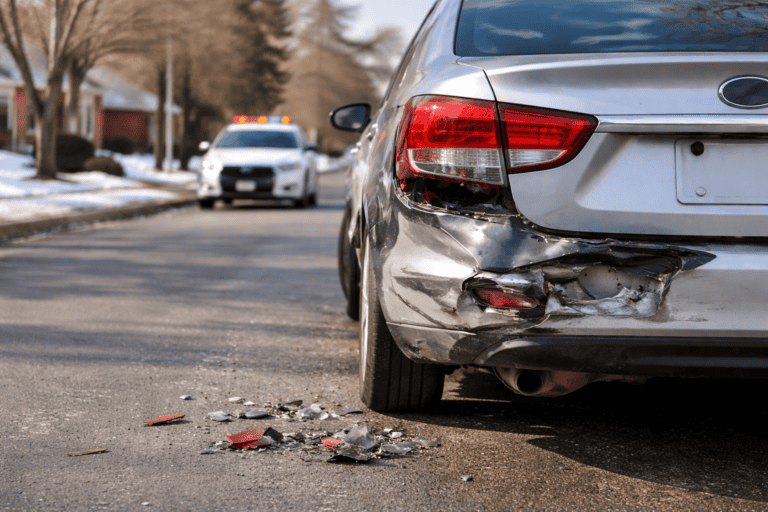
Beyond the Drunk Driver: Colorado Dram Shop and Social Host Liability After a Labor Day Weekend Crash
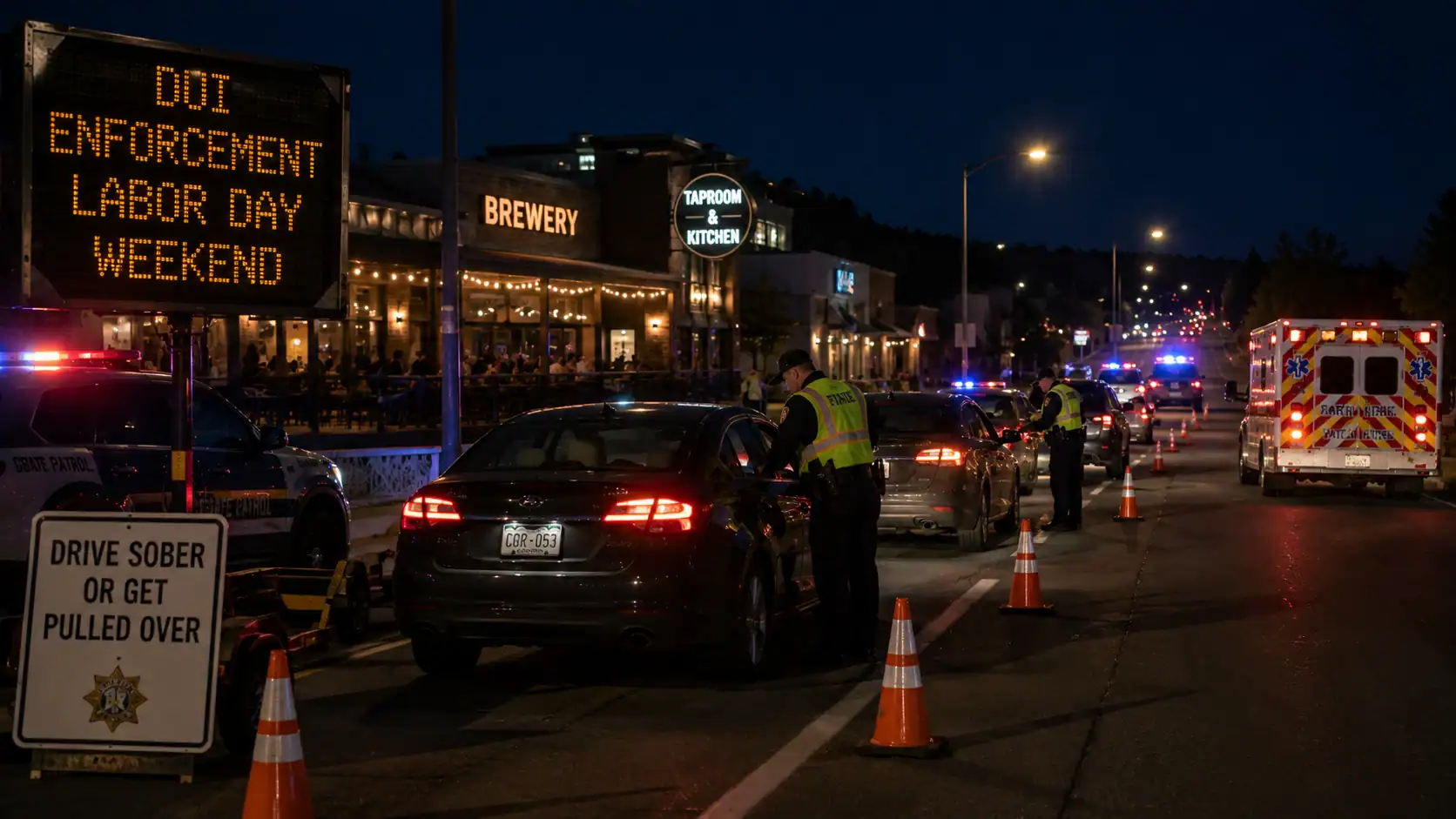
Labor Day weekend closes out the Colorado summer with the heaviest drinking-and-driving stretch of the season. Enforcement agencies run coordinated patrols across the Front Range through the holiday, and impaired driving crashes cluster in the late evening and overnight hours from Friday through Monday.
When one of those crashes causes serious injury, families understandably focus on the driver. That focus is sometimes a mistake, because the driver’s insurance policy is frequently the smallest source of recovery available and occasionally the only one anyone looks at.
Colorado law recognizes, in narrow circumstances, that someone other than the driver may bear responsibility. Those circumstances are genuinely narrow, and the deadline attached to them is short enough that most people miss it without ever knowing it existed.
Why the Driver’s Policy Is Often Not Enough
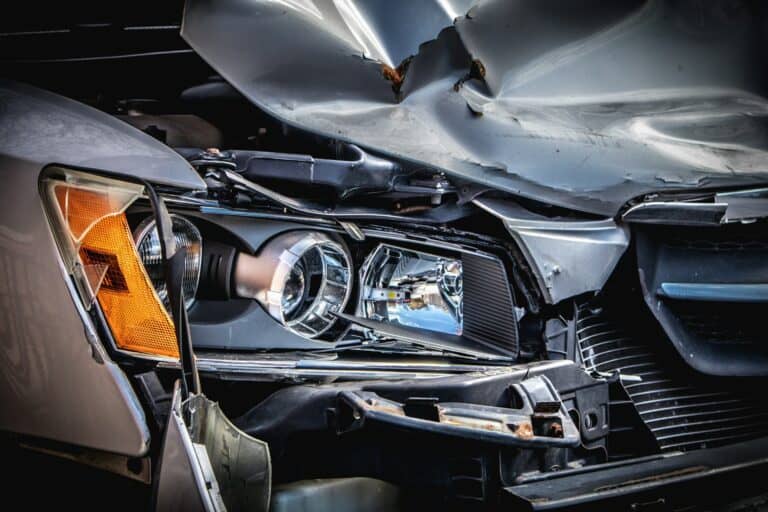
Impaired driving crashes tend to produce severe injuries, because impaired drivers do not brake, do not steer away, and are often traveling at speeds ordinary drivers would not maintain. Head-on collisions, wrong-way collisions on divided highways, and high-speed rear-end impacts are all overrepresented.
The person causing those crashes frequently carries minimum or near-minimum liability coverage. A catastrophic injury against a minimum policy exhausts the coverage almost immediately, which is why underinsured motorist coverage matters so much in these cases.
That gap is what makes the question of additional responsible parties worth asking early rather than after the driver’s policy has been tendered.
Colorado Dram Shop Liability
A licensed establishment, meaning a bar, restaurant, brewery, taproom, or liquor store, can be liable in Colorado in two specific situations.
Serving a visibly intoxicated person. The standard is not that the person was intoxicated. It is that they were visibly intoxicated at the time of service. The distinction matters enormously in practice, because it turns the case on observable behavior at the point of sale rather than on a blood alcohol number measured later.
Serving a person under twenty-one. Selling or serving alcohol to someone under the legal age creates exposure when that person subsequently causes injury.
Colorado’s statute is restrictive by design. There is no general liability for serving alcohol to adults who later cause harm, and the statute displaces broader common law theories. Damages against a licensed establishment are also subject to a statutory cap, adjusted periodically, which is well below what a catastrophic injury actually costs.
Social Host Liability, Which Is Narrower Still
Labor Day is a weekend of backyard gatherings, which raises the question of the host.
Colorado does not impose liability on a social host who serves alcohol to an adult guest who later causes a crash. That is the general rule and it holds in most situations.
The exception involves minors. A social host who knowingly serves alcohol to a person under twenty-one, or who knowingly provides a place for underage guests to consume alcohol, can face liability for resulting harm. Parents who permit a party where minors drink are the recurring example, and the exposure surprises people who believed that collecting car keys at the door resolved the problem.
The One Year Deadline
This is the single most important thing in this article.
Colorado attaches a much shorter limitation period to dram shop and social host claims than to ordinary motor vehicle claims. The action must be brought within one year of the sale or service, not within the general period that applies to the claim against the driver.
The consequences are severe and entirely predictable. A family spends the first year on surgeries, rehabilitation, and the criminal case against the driver. Somewhere in year two an attorney asks where the driver had been drinking. By then the claim against the establishment is gone, along with its insurance coverage.
The one-year clock also runs against the evidence. Establishments retain video for weeks. Point of sale records showing what was served and when are retained on business schedules, not legal ones. Servers and bartenders turn over constantly in the restaurant industry, and a server who could describe a patron’s condition in September is frequently unreachable by the following spring.
If impairment played any role in a crash, where the driver had been drinking is a question for the first week, not the second year.
Exemplary Damages Against the Driver
Separately from third party liability, Colorado permits exemplary damages where the conduct causing injury was willful and wanton. Driving while substantially impaired is the classic example, and these damages are punitive in nature rather than compensatory.
Colorado imposes procedural requirements and limits on such awards, including how and when they may be added to a case. They are not available in every impaired driving claim, and they are not a substitute for available coverage. But they change the settlement calculation, and they are one reason a criminal DUI case running alongside a civil claim deserves close attention.
The relationship between criminal and civil consequences of impaired driving is covered in drunk driving versus distracted driving in Colorado.
What to Preserve Immediately
- Where the driver had been in the hours before the crash, from any source available
- Any receipts, tabs, or card transactions recovered from the vehicle or the driver’s belongings
- Social media posts from that evening, which frequently establish location and duration
- Names of anyone who was with the driver earlier in the evening
- A written preservation request to any identified establishment covering video, point of sale records, and server assignments
- The full criminal case file as it develops, including any toxicology results
Criminal investigations develop much of this information, but they develop it on their own timeline and for their own purposes. A civil claim against an establishment cannot wait for a criminal case to conclude, because the one-year period does not pause while it does.
For the Weekend Itself
- The highest risk hours are late evening through the early morning, Friday through Monday
- Impaired drivers are overrepresented in wrong-way and head-on collisions on divided highways
- Increase following distance substantially after dark on holiday weekends
- If you are hosting, alcohol and guests under twenty-one is the combination that creates legal exposure
- If you are struck, report suspected impairment to the responding officer immediately so it is investigated at the scene
Frequently Asked Questions
Can I sue a bar in Colorado for serving a drunk driver?
Only in narrow circumstances. Colorado’s dram shop statute permits a claim against a licensed establishment that served alcohol to a visibly intoxicated person or to someone under twenty-one. There is no general liability for serving adults who later cause harm, and damages against an establishment are subject to a statutory cap.
What is the deadline for a dram shop claim in Colorado?
One year from the sale or service of the alcohol, which is substantially shorter than the period that applies to a claim against the driver. Families frequently miss it while focused on medical treatment and the criminal case. If impairment was involved in a crash, the source of the alcohol needs to be investigated within the first weeks.
Is a social host liable in Colorado for a guest’s drunk driving crash?
Generally no, when the guest is an adult. Colorado does not impose liability on a social host for serving alcohol to adults who later cause harm. The exception involves minors, where a host who knowingly serves alcohol to someone under twenty-one or knowingly provides a place for underage drinking can face liability.
What does visibly intoxicated mean?
It refers to observable signs of impairment at the time of service, such as slurred speech, unsteadiness, or impaired coordination, rather than a blood alcohol level measured afterward. This is why establishment video, server testimony, and point of sale records matter so much, and why those materials need to be preserved before routine retention periods expire.
Can I recover punitive damages from a drunk driver in Colorado?
Colorado permits exemplary damages where conduct was willful and wanton, and driving while substantially impaired is a common basis. These awards are subject to procedural requirements and statutory limits, and they are not available in every case. They can meaningfully change settlement dynamics where insurance coverage is limited.
What if the drunk driver has minimum insurance coverage?
This is common, and it is why underinsured motorist coverage on your own policy often becomes the primary source of recovery. Investigating additional responsible parties, including any licensed establishment that served the driver, should happen early, because the deadline for those claims is much shorter than the deadline for the claim against the driver.
Talk to Flanagan Law
Flanagan Law is a boutique Colorado firm handling vehicle accident cases across the Denver metro and Front Range. If an impaired driver injured you or someone in your family, call 720-928-9178. The clock on some of these claims is shorter than you think. Someone answers 24 hours a day.
This article is general information about Colorado law and is not legal advice for your particular situation.