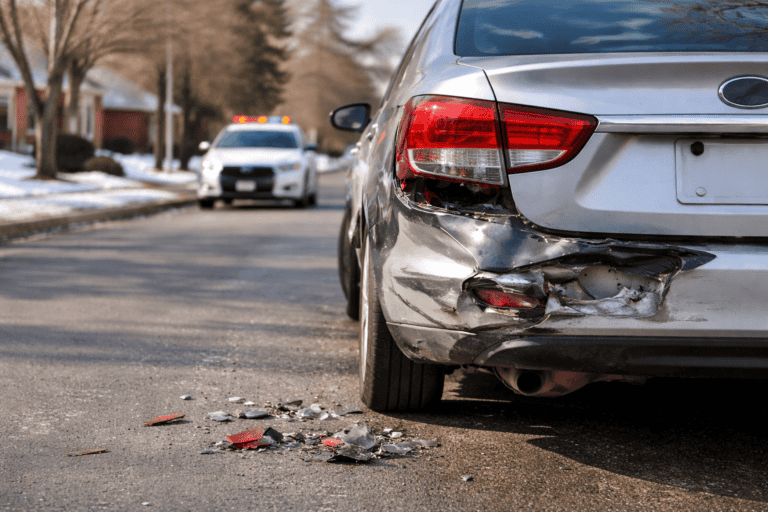
Black Friday Shopping Center Crashes: When the Property Owner Shares the Blame
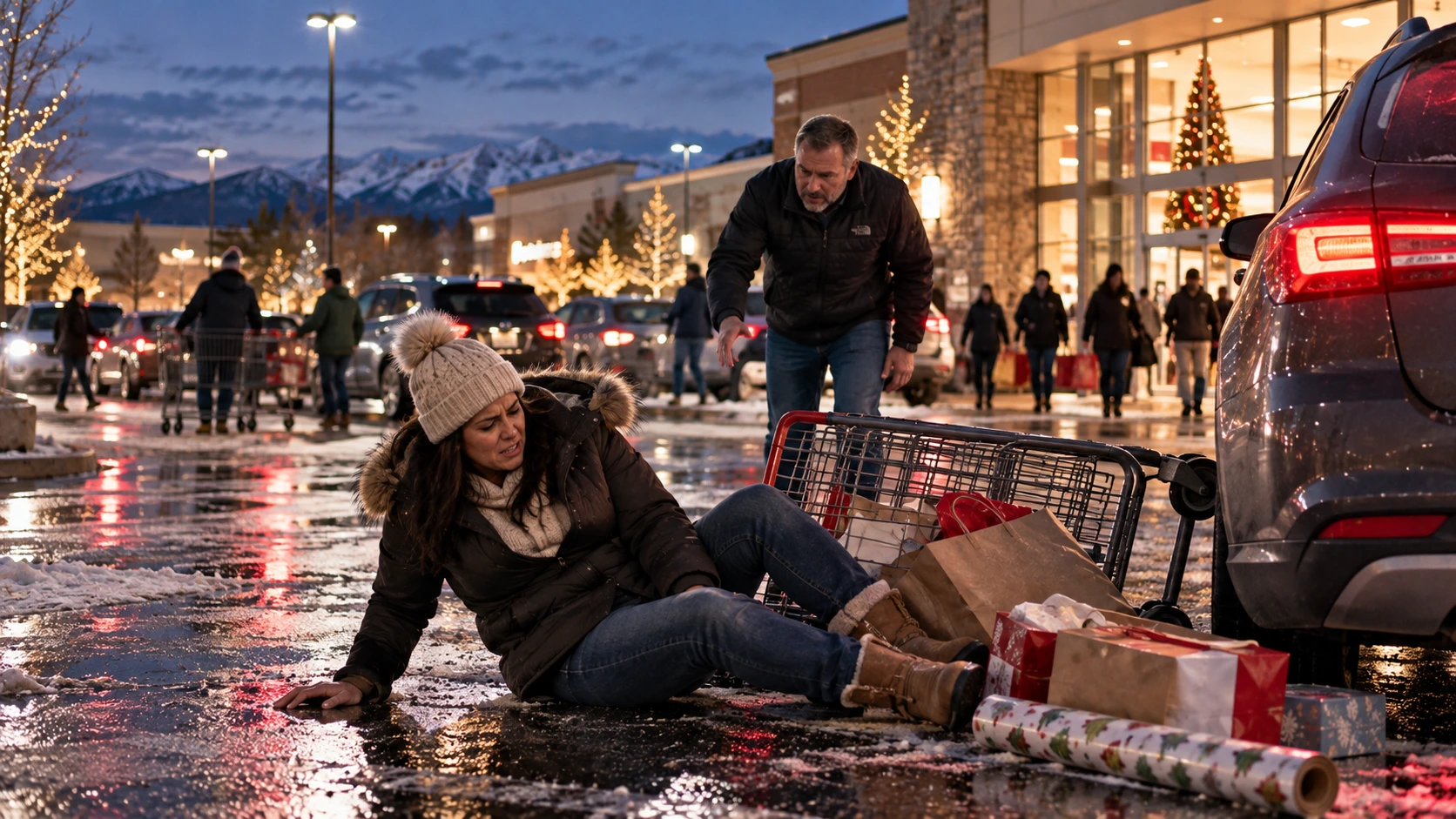
Black Friday falls on November 27 this year, and the parking lots at Park Meadows, FlatIron Crossing, Northfield, and every big-box center across the metro will be packed from before dawn. Drivers circle for spaces, shoppers push carts between rows, and people walk to their cars in the dark loaded with bags. Parking lot crashes are common all year, but the holiday shopping rush multiplies them. When they happen, the other driver isn’t always the only one responsible. Sometimes the property itself helped cause the crash.
Why are parking lot crashes so common on Black Friday?
Parking lot crashes are common on Black Friday because the lots are crowded beyond their normal design, drivers are rushed and distracted, and many shoppers arrive or leave in darkness. Drivers back out of spaces while watching their phones, cut across empty rows to grab an open spot, and roll through stop signs at the end of aisles. Pedestrians walk between parked cars where drivers can’t see them. The combination produces backing crashes, sideswipes, and pedestrian injuries all day long.
Who is usually at fault in a parking lot crash?
The driver who failed to yield or keep a proper lookout is usually at fault in a parking lot crash. A driver backing out of a space generally must yield to traffic in the aisle and to pedestrians. A driver in a through lane generally has priority over one entering from a parking row. A driver who hits a pedestrian in a lot faces the same duty of care that applies on a street. Parking lots are private property, but ordinary negligence rules still decide who pays.
When can a property owner share the blame?
A property owner can share the blame when a dangerous condition on the property contributed to the crash and the owner knew or should have known about it. In Colorado, claims against landowners are governed by the Premises Liability Act, C.R.S. 13-21-115. Shoppers are invitees, the category owed the highest duty, which means the owner must use reasonable care to protect them from dangers it knew about or should have discovered. Our premises liability practice page explains how those claims work.
What property conditions can contribute to a crash?
Conditions that can contribute to a crash include poor or broken lighting, missing or faded stop signs and lane markings, blind corners created by signs or landscaping, confusing traffic patterns, potholes and broken pavement, and snow or ice left in driving lanes and walkways. Holiday season adds temporary hazards: overflow parking in unmarked areas, seasonal tents or trailers that block sight lines, and pickup zones that pull pedestrians into traffic. When one of those conditions helped cause a crash, the owner or the company that manages the lot may be responsible for part of the harm.
What about ice and snow in a shopping center lot?
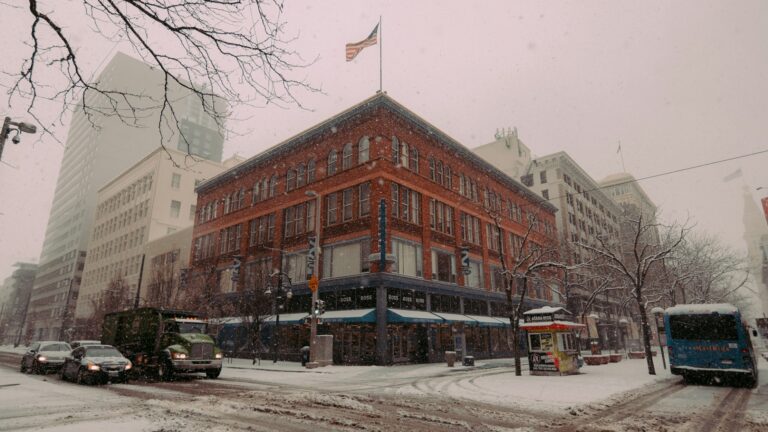
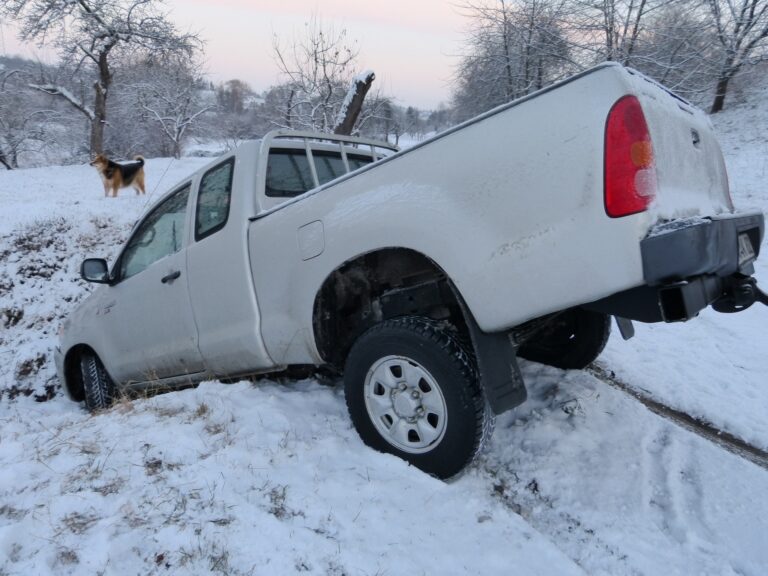
Ice and snow in a shopping center lot can create premises liability when the owner fails to clear them within a reasonable time or clears them in a way that creates new hazards, such as piling snow where it blocks sight lines or melts and refreezes across walkways. Late November storms are common on the Front Range, and a lot full of Black Friday shoppers is exactly where an unreasonable failure to treat ice can cause harm. Our slip and fall practice page covers falls on icy walkways.
Why does adding the property owner matter?
Adding the property owner matters because it can add another source of insurance when the at-fault driver’s coverage isn’t enough. Shopping centers and their management companies typically carry commercial liability policies. Under Colorado’s comparative fault system, each responsible party pays its share. Our article on when the at-fault driver’s policy limits fall short of your bills explains why every source of coverage matters.
What evidence matters in a shopping center crash?
Evidence in a shopping center crash disappears fast. Security camera footage is often overwritten within days, so ask store management to preserve it right away and get the name of the person you spoke with. Photograph the lighting, signs, lane markings, pavement, and any ice or snow before conditions change. Get the other driver’s information and witness names. Police may not respond to a private lot crash without injuries, so report it and request a report number when you can.
How can you stay safer in holiday parking lots?
Park farther from the entrance, where traffic is lighter and backing is easier. Back into spaces when you can, so you leave facing forward. Drive slowly in aisles, assume pedestrians are behind every parked car, and put the phone away until you’re parked. When walking, stay in marked crosswalks and lighted areas, and watch for backup lights.
Frequently Asked Questions
Who is at fault in a Black Friday parking lot crash?
Usually the driver who failed to yield or keep a lookout, such as a driver backing out of a space into traffic. Fault depends on the facts, and more than one driver can share responsibility. A property owner can also share fault if a dangerous condition in the lot contributed.
Can I sue a shopping center for a parking lot crash?
You may be able to if a dangerous condition on the property, such as poor lighting, missing signs, or uncleared ice, contributed to the crash and the owner knew or should have known about it. Colorado’s Premises Liability Act governs those claims.
Will police come to a parking lot crash in Colorado?
Police may not respond to a minor crash on private property without injuries, especially on a busy shopping day. Call 911 if anyone is hurt. Otherwise, exchange information, photograph the scene, and report the crash so there is a record.
How do I get security footage from a store after a crash?
Ask store or property management in writing to preserve the footage right away, and note the name of the person you contacted. Footage is often overwritten within days. A lawyer can send a formal preservation letter.
Is a shopping center responsible for ice in its parking lot?
A shopping center can be responsible when it fails to clear ice or snow within a reasonable time, or when its snow removal creates new hazards. Whether the owner is liable depends on what it knew and how it responded to the conditions.
When should I call a lawyer after a parking lot crash?
Call when you were injured, when a pedestrian was involved, or when conditions in the lot may have played a role. Early action protects video and other evidence. Flanagan Law offers free consultations at 720-928-9178.
If you were hurt in a shopping center crash this holiday season, call Flanagan Law at 720-928-9178 for a free consultation.