When Your Teen Driver Causes an Accident in Colorado: What Parents Are Legally Responsible For
Your teen caused a car accident in Colorado. Here is what parents are legally responsible for, how insurance works, and what steps protect your family right now.
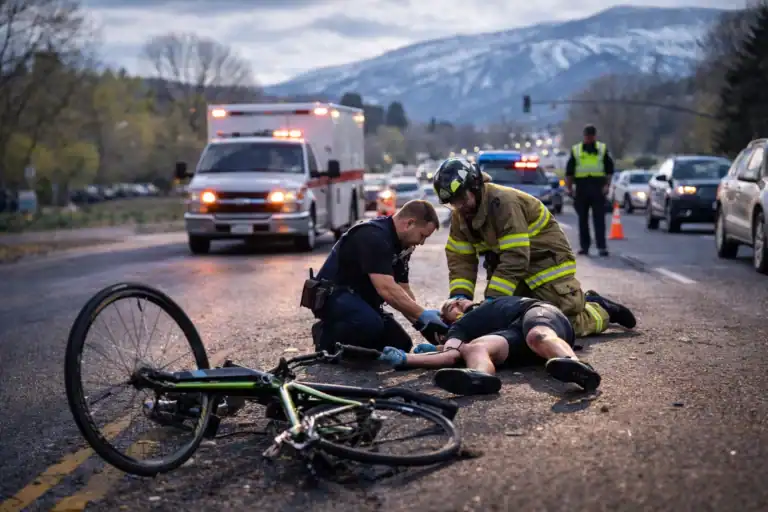
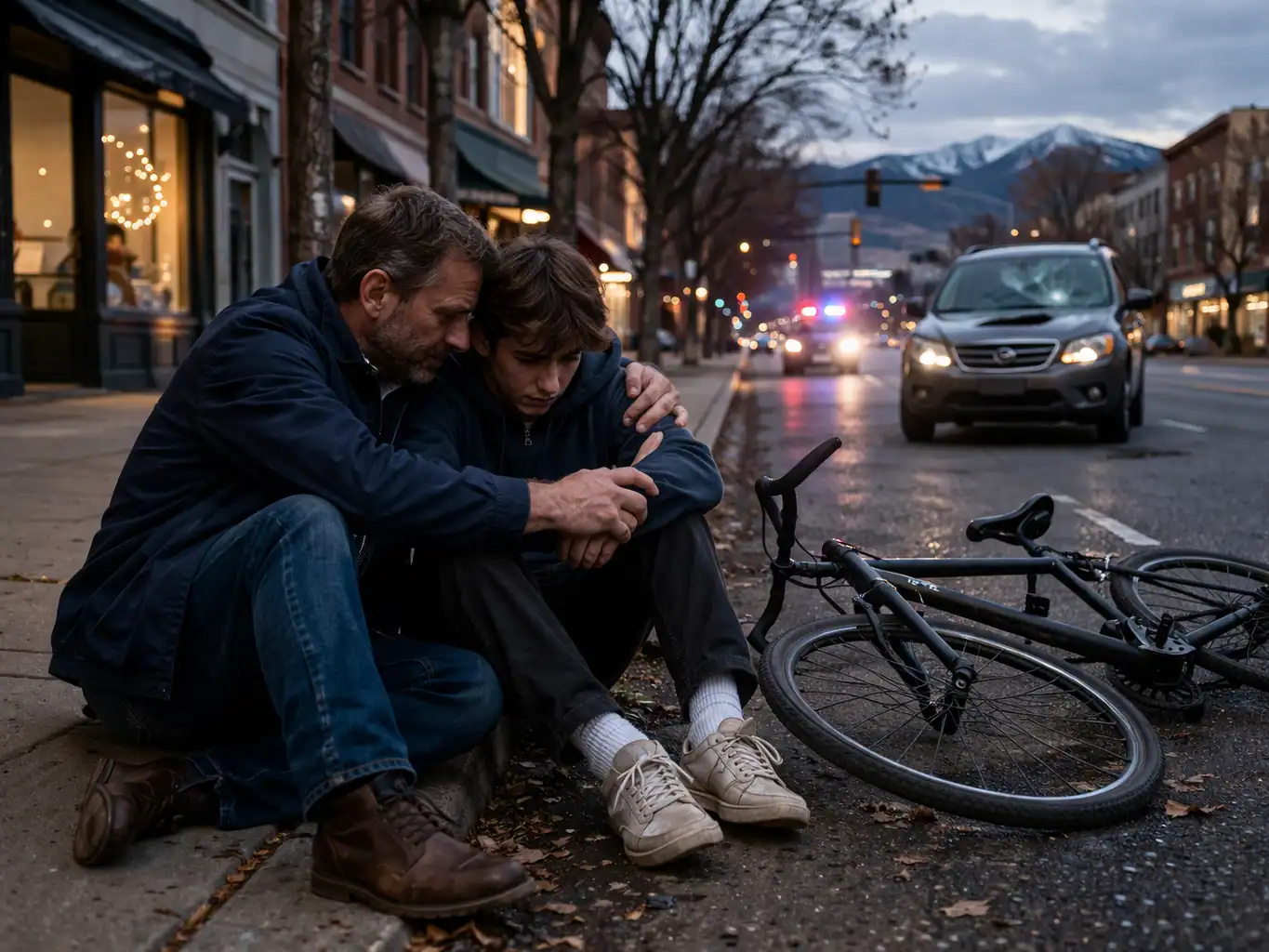
The phone call no parent wants to receive. Your teenager was in an accident. They are okay, or mostly okay, but another driver was hurt. The other driver’s car is damaged. And now the questions start arriving faster than the answers: Are you liable? Is your insurance going to cover this? Can someone sue you personally? What do you do right now?
In our practice, we speak with parents in exactly this situation regularly. The answers are more navigable than the initial panic suggests, but they require understanding how Colorado law actually works when a minor driver causes an accident. This article walks you through what you need to know.
Colorado’s Parental Liability Law for Teen Driver Accidents
Colorado’s motor vehicle consent statute at CRS 42-7-903 establishes direct parental liability when a minor child operates a vehicle with the parent’s permission and causes injury or property damage. Under this statute, the parent or legal guardian who gave consent for the teen to drive is jointly and severally liable for the damages caused by the minor’s negligence.
Joint and several liability means that the injured party can pursue the full amount of damages from either the teen driver or the parent, or from both simultaneously. This is not a technical legal point: it means that a seriously injured victim of your teen’s negligence can sue you directly for the full value of their damages, not just your teen’s share.
The consent requirement is broadly interpreted. If your teen was driving the family car with your general permission, that constitutes consent under CRS 42-7-903 even if you did not specifically authorize the particular trip on which the accident occurred. Parents who have given their teen general permission to use the family vehicle cannot avoid liability by arguing they didn’t know about the specific drive.
How Insurance Works When a Teen Driver Causes an Accident
The good news for most families is that auto insurance typically covers teen driver accidents when the teen is listed on the family policy or is a resident of the household driving a covered vehicle. Colorado’s standard auto insurance framework requires the policy to cover permissive drivers, meaning anyone operating the vehicle with the owner’s permission.
However, there are important coverage questions to verify immediately after a teen-caused accident. First, confirm that your teen is listed on your policy or covered as a household member. Some policies require specific listing of teen drivers, and a teen who was not disclosed to the insurer may trigger a coverage dispute. Second, confirm that the vehicle involved is covered under your policy. Third, check your policy limits: if the damages from a serious accident exceed your liability limits, the excess comes from your personal assets.
This is one of the most important reasons that Colorado drivers with teen drivers in the household should carry liability limits significantly above the state minimum of $25,000 per person under CRS 42-7-103. A serious accident caused by a teen driver can produce damages that dwarf minimum limits quickly.
Umbrella policies, which provide additional liability coverage above your auto policy limits, are particularly valuable for households with teen drivers. They represent relatively affordable additional protection against the risk that a serious accident produces damages beyond your primary auto policy’s capacity.
Call us at 720-928-9178 if your family is dealing with the aftermath of a teen driver accident in Colorado. We can help you understand your obligations and your rights. The consultation is free and confidential.
What Happens When the Damages Exceed Your Insurance
If a seriously injured victim’s damages exceed your auto policy limits, they can seek the excess from your personal assets. Colorado does not cap the personal liability exposure of a parent under CRS 42-7-903 at the insurance policy limit. The statute creates direct liability for the full amount of damages caused by the teen’s negligence.
This is the scenario that motivates the umbrella policy conversation. A teen driver accident producing $500,000 in damages to a seriously injured victim, against a family with $100,000 in auto liability coverage, leaves $400,000 in potential exposure. Umbrella coverage, which typically starts at $1 million and costs a fraction of what auto coverage costs, bridges this gap.
If your family faces a claim where damages may exceed your coverage, consult an attorney immediately. The personal asset exposure in this scenario is significant, and early legal guidance protects your interests throughout the claims process.
Colorado’s Graduated Driver Licensing System and What It Means for Claims
Colorado’s graduated driver licensing system under CRS 42-2-104 imposes specific restrictions on teen drivers at different stages of licensure. These restrictions include: nighttime driving limitations, passenger restrictions, and cell phone prohibitions that are more stringent than those applied to adult drivers.
A teen driver who was violating their GDL restrictions at the time of an accident has committed a statutory violation. That violation can support a finding of negligence per se against the teen driver, strengthening the injured party’s claim. It also affects the family’s legal position because the violation of the licensing restriction may trigger additional scrutiny of the teen’s driving authorization and the parent’s knowledge of the violation.
If your teen was driving outside their GDL restrictions at the time of an accident, discuss this with your attorney before making any statements about the circumstances of the accident.
Frequently Asked Questions
Are parents automatically liable when their teen driver causes an accident in Colorado?
Yes, under CRS 42-7-903, parents who gave consent for their teen to drive are jointly and severally liable for damages caused by the teen’s negligence. This liability is direct, not derivative: the injured party can sue the parent as well as the teen.
Does my auto insurance cover my teen driver if they cause an accident?
Generally yes, if the teen is listed on your policy or covered as a household member driving a covered vehicle. Policy terms vary, and some policies require specific disclosure of teen drivers. Verify your coverage immediately and consult with your insurer and an attorney if there is any question about whether the accident is covered.
What if my teen driver was in their own car, not my car?
If the teen’s vehicle is insured under your policy, the same coverage analysis applies. If the teen has a separate policy, that policy is the primary coverage source. Parental liability under CRS 42-7-903 applies based on consent to drive, not on whose car was involved.
What are Colorado’s GDL restrictions for teen drivers?
Colorado’s graduated driver licensing restrictions under CRS 42-2-104 include: a nighttime driving prohibition from midnight to 5 a.m. for drivers under 17, a restriction on carrying more than one passenger under 21 for the first six months of licensure, and a prohibition on cell phone use while driving for drivers under 18. Violations of these restrictions at the time of an accident can affect the negligence analysis.
What if my teen was driving without my permission?
If the teen took the vehicle without your knowledge or consent, the consent element of CRS 42-7-903 may not be satisfied, which could affect your personal liability. However, your auto insurance may still cover the accident if the teen is a household member driving a covered vehicle. An attorney can analyze both the liability and coverage questions simultaneously.
How should I respond when the other driver’s insurance contacts me after my teen’s accident?
Politely decline to give a recorded statement before consulting an attorney. Confirm that you are insured, provide your insurer’s contact information, and let your insurer and attorney handle the communication from that point. The other driver’s insurer will use any statement you make to minimize or defend against the claim.
What is an umbrella policy and why does it matter for teen driver liability?
An umbrella policy provides additional liability coverage above your auto and homeowners policy limits. It is particularly valuable for households with teen drivers because a serious accident can produce damages that exceed standard auto policy limits quickly. Umbrella policies typically start at $1 million in additional coverage and cost a few hundred dollars per year, representing meaningful protection against catastrophic liability exposure.
Sources
Colorado Parental Liability for Minor Drivers, CRS 42-7-903 Colorado Graduated Driver Licensing, CRS 42-2-104 Colorado Minimum Auto Insurance Requirements, CRS 42-7-103 Colorado Comparative Negligence Statute, CRS 13-21-111 Personal Injury Statute of Limitations, CRS 13-80-101 Colorado Department of Revenue, Driver’s License and GDL Information: https://www.colorado.gov/dmv National Highway Traffic Safety Administration, Teen Driver Safety: https://www.nhtsa.gov Insurance Information Institute, Teen Driver Insurance: https://www.iii.org
If your family is navigating the aftermath of a teen driver accident in Colorado, call Samantha Flanagan at 720-928-9178. The consultation is free, confidential, and there is no obligation. Your family’s recovery and financial protection both matter to us.