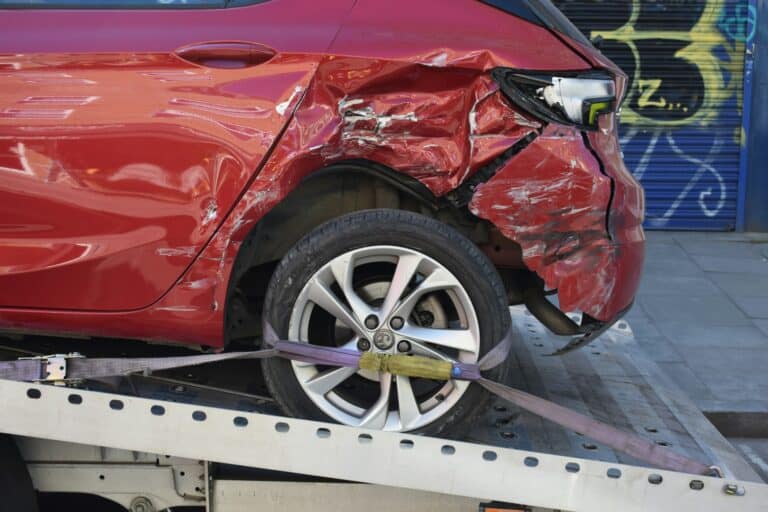
Low-Speed Rear-End Collision, Real Injuries: What Colorado Courts Recognize

It was barely a bump. The other car couldn’t have been going more than 10 or 15 miles per hour. There’s hardly any damage to your vehicle. At the scene, you felt fine—shaken, maybe, but fine.
Then you woke up the next morning and something was wrong.
Your neck was stiff. Your back ached. Maybe you had a headache that wouldn’t quit. And now you’re wondering: is this real? Will anyone believe me? Was that little accident actually capable of causing this much pain?
The answer, supported by medical research and recognized by Colorado courts, is yes. Low-speed collisions can and do cause real injuries—and you deserve to be taken seriously.
The Science of Low-Speed Impact Injuries
Vehicle damage and occupant injury don’t correlate the way most people assume. Modern cars are engineered to absorb impact energy through crumple zones—the car sacrifices itself to protect you. But that protection isn’t perfect, especially in low-speed rear-end collisions.
At lower speeds, crumple zones may not engage at all. Instead, the impact energy transfers more directly to the vehicle’s occupants. Your body—specifically your head and neck—absorbs forces it wasn’t designed to handle.
This is how whiplash happens. Your torso is pushed forward by the seat while your head, unsupported, lags behind. Then your head whips forward and back. The entire sequence takes milliseconds—faster than your muscles can react to protect you.
Why Symptoms Often Appear Delayed
One of the most frustrating aspects of low-speed collision injuries is the delay between impact and symptoms. You might feel perfectly fine for hours or even days before the pain sets in.
There are physiological reasons for this:
Adrenaline and endorphins flood your system after a traumatic event, masking pain. As these chemicals subside, the underlying injury becomes apparent.
Soft tissue inflammation builds gradually. Muscle and ligament injuries swell over time, and that swelling is what often causes the most significant pain.
Micro-tears in tissue may not be immediately symptomatic but worsen with normal movement before they’re identified and treated.
This delay is normal and well-documented in medical literature. It does not mean your injury is fake, exaggerated, or unrelated to the accident.
Common Injuries from Low-Speed Rear-End Collisions
Whiplash (Cervical Strain/Sprain): The classic low-speed injury. Symptoms include neck pain and stiffness, reduced range of motion, headaches originating at the base of the skull, shoulder and upper back pain, and sometimes numbness or tingling in the arms.
Lumbar Strain: The same forces that affect your neck can injure your lower back, especially if you were seated in a certain position at impact.
Concussion/Mild Traumatic Brain Injury: You don’t have to hit your head to suffer a concussion. The rapid acceleration and deceleration of impact can cause your brain to move within your skull. Symptoms may include headaches, cognitive difficulties, mood changes, and light sensitivity.
Disc Injuries: Herniated or bulging discs can result from collision forces, causing pain, numbness, or weakness that radiates into the arms or legs.
The Insurance Company Playbook
Let’s be direct about something: insurance companies are skeptical of low-speed collision claims. They have financial incentives to minimize payouts, and “minor impact” cases are an easy target.
Common tactics include:
Pointing to minimal vehicle damage as “proof” you couldn’t be injured. As we’ve explained, vehicle damage and occupant injury don’t correlate directly.
Highlighting that you didn’t seek immediate medical treatment. They’ll argue that if you were really hurt, you would have gone to the ER. But delayed symptoms are medically recognized.
Attributing your pain to “pre-existing conditions.” If you’ve ever had back or neck issues, expect them to be raised—even if you were pain-free before the accident.
Using “hired gun” experts who testify that injuries couldn’t occur at the reported impact speed.
What Colorado Courts Actually Recognize
Despite insurance company skepticism, Colorado courts have consistently recognized that low-speed impacts can cause legitimate injuries. Juries understand that pain is real even when X-rays look normal and vehicle damage is minimal.
What matters in court is the credibility of your medical evidence, the consistency of your symptoms with the mechanism of injury, and your treatment history. Courts look at whether you sought appropriate medical care, followed your treatment plan, and whether your doctors can explain the connection between the accident and your symptoms.
Protecting Your Claim: What to Do Now
See a doctor promptly. Even if your symptoms seem minor, get evaluated within a day or two of the accident. This creates a medical record linking your symptoms to the collision. Tell your doctor about every symptom, even ones that seem unrelated.
Follow your treatment plan. If your doctor recommends physical therapy, imaging, or follow-up visits, do it. Gaps in treatment give insurance companies ammunition to argue you weren’t really hurt.
Document your symptoms daily. Keep a journal noting your pain levels, activities you can’t do, sleep disruption, and how the injury affects your work and daily life. This contemporaneous record is powerful evidence.
Don’t minimize your injuries to the insurance company. When adjusters call and ask how you’re doing, don’t say “fine” out of politeness. Be honest about your symptoms and limitations.
Preserve evidence from the accident. Keep photos of both vehicles, the police report, and contact information for witnesses.
When to Involve an Attorney
If the insurance company is disputing your claim, offering a settlement that doesn’t cover your medical bills, or suggesting your injuries aren’t real—it’s time to get help.
An attorney can obtain medical experts who will explain how your injuries occurred, counter the insurance company’s hired experts, and present your case in the strongest possible terms.
Your Pain Is Valid
Don’t let anyone tell you that a “minor” accident can’t cause real harm. The medical evidence supports you. Colorado courts recognize these injuries. And you deserve fair compensation for what you’re going through.
If you’re dealing with injuries from a low-speed collision, call Flanagan Law at 720-928-9178 for a free consultation. We’ll listen to your story, review your case, and give you honest guidance about your options.
Frequently Asked Questions
How long does whiplash last?
Most whiplash injuries resolve within a few weeks to a few months with proper treatment. However, some people experience chronic symptoms that persist for years, particularly if the injury is severe or treatment is delayed.
What if I have pre-existing neck or back problems?
Under Colorado law, the at-fault driver “takes you as they find you.” If the accident aggravated a pre-existing condition, they’re still responsible for the aggravation. You’re entitled to compensation for the difference between your condition before and after the accident.
Will my case go to trial?
The vast majority of personal injury cases settle before trial. However, having an attorney who is prepared to go to trial if necessary often leads to better settlement offers.
What damages can I recover?
If you have a valid claim, you may recover medical expenses (past and future), lost wages, pain and suffering, and other damages related to your injury. The specific amount depends on the severity of your injuries and their impact on your life.
Sources
Colorado Revised Statutes § 13-21-111 (Comparative Negligence)
Spine Research Institute of San Diego—Biomechanics of Low-Speed Collisions
Colorado Civil Jury Instructions—Damages