How Road Design Failures Contribute to Accidents on Colorado’s Urban Streets
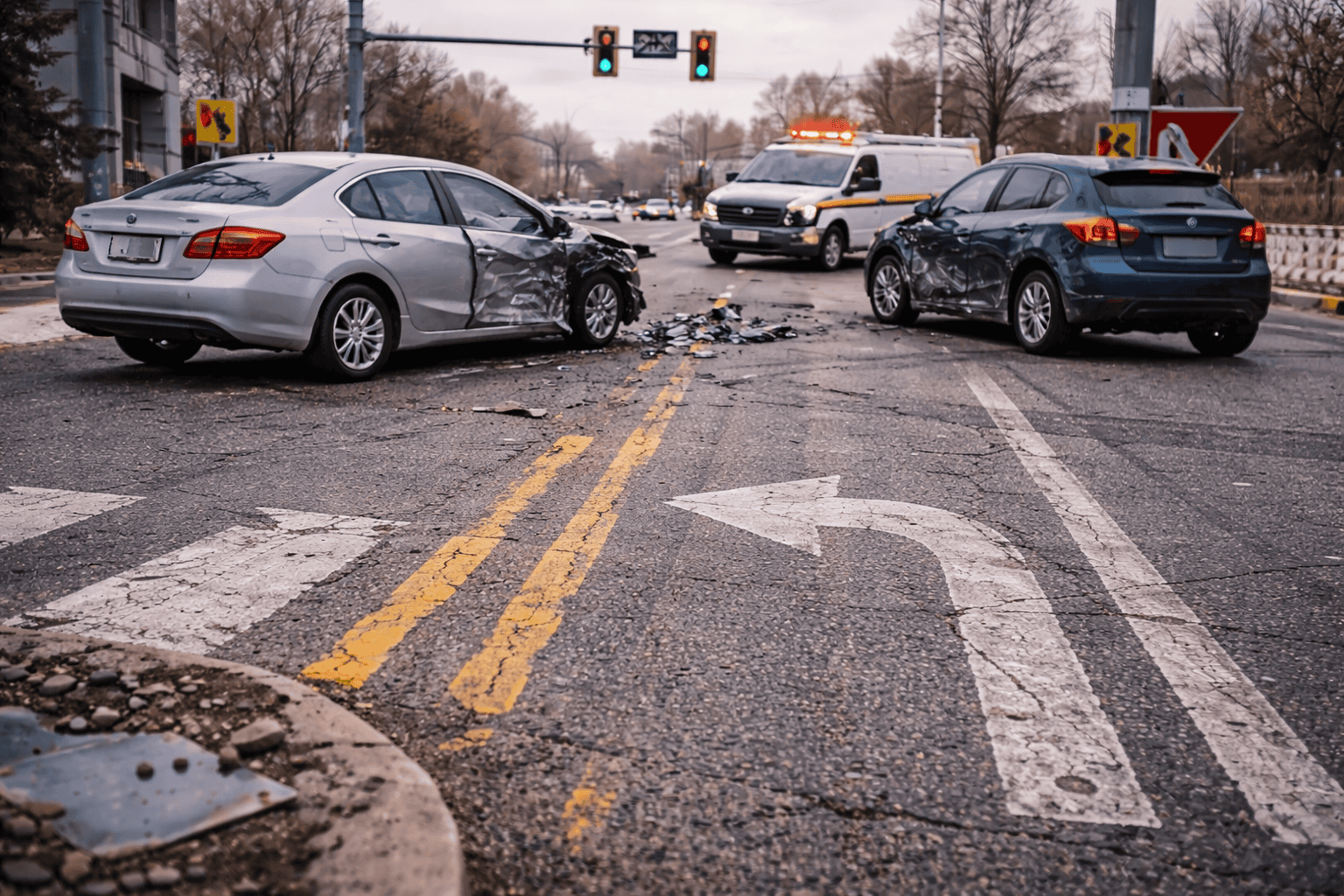
You’ve driven through that intersection a hundred times. You know it’s confusing—the lane markings are faded, the signal timing seems off, there’s always someone who doesn’t realize they need to merge. And then one day, you’re the one in the accident.
Sometimes crashes aren’t just about driver error. Sometimes the road itself sets drivers up to fail.
The Hidden Danger of Poor Road Design
Traffic engineers have understood for decades that road design influences driver behavior. Well-designed roads guide drivers toward safe choices almost unconsciously. Poorly designed roads create confusion, demand split-second decisions, and increase the likelihood of collisions.
Yet dangerous road designs persist throughout Colorado’s urban areas. Budget constraints, legacy infrastructure, competing priorities, and simple inertia mean that known problem areas often go unaddressed until crashes force action.
Common Design Failures
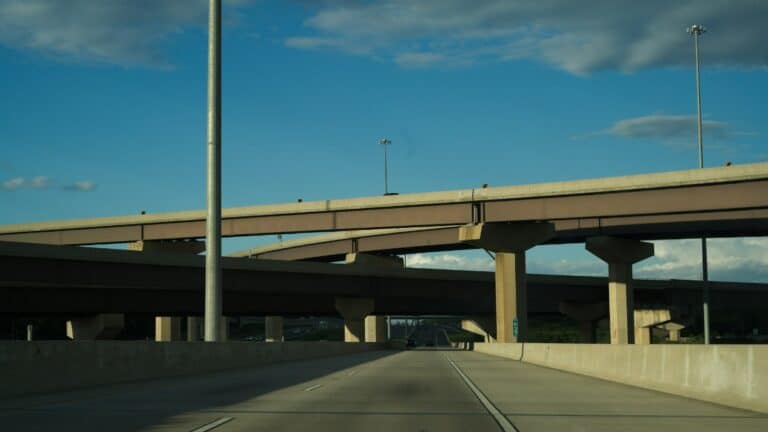
Inadequate sight lines at intersections force drivers to inch into traffic without full visibility. Confusing lane configurations lead to last-second merges and unexpected stops. Poor signage leaves drivers uncertain about speed limits, lane designations, or upcoming hazards. Insufficient lighting creates dangerous conditions after dark. Missing or worn road markings fail to guide drivers through complex areas.
Each of these deficiencies increases crash risk. When combined—a poorly lit intersection with faded markings and inadequate signage—the risk multiplies.
Where Design Meets Legal Liability
When road design contributes to an accident, questions of liability become complicated. In most cases, the driver who directly caused the collision bears primary responsibility. But that doesn’t mean the government entity responsible for road maintenance and design is off the hook entirely.
The Colorado Governmental Immunity Act
Colorado’s Governmental Immunity Act (CGIA) limits when and how you can sue government entities for negligence. The state, counties, and municipalities are generally immune from lawsuits—but there are exceptions.
One key exception involves dangerous conditions of public highways, roads, and streets. If a government entity creates or fails to correct a dangerous condition that causes injury, and if they had notice of the danger, they may be liable despite general governmental immunity.
However, claims against government entities face strict requirements. Notice must be provided within 182 days of the accident. Damages are capped at specific amounts. Certain discretionary decisions about road design are protected even when they result in dangerous conditons.
Proving a Road Design Caused Your Accident
Establishing that road design contributed to your accident requires more than pointing out obvious problems. You need evidence connecting the specific design deficiency to your crash.
This often requires expert testimony from traffic engineers or accident reconstruction specialists who can explain how the road’s design violated accepted safety standards, how the design deficiency affected driver behavior, how a properly designed road would have prevented or reduced the severity of the accident, and whether the responsible government entity knew or should have known about the dangerous condition.
Types of Design Failures That Cause Crashes
Understanding common road design problems can help you recognize when infrastructure may have contributed to your accident.
Intersection Geometry
Intersections are the most dangerous locations on any road network. Design decisions about sight lines, turn lane configurations, signal timing, and pedestrian crossings dramatically affect safety.
Skewed intersections—where roads meet at angles other than 90 degrees—create blind spots and misjudgment of vehicle speeds. Inadequate turn lane storage forces turning vehicles to back up into through lanes. Poorly timed signals create “yellow light dilemmas” where drivers can neither stop safely nor clear the intersection.
Lane Configuration Problems
Roads that suddenly narrow, merge without warning, or shift alignment catch drivers off guard. Lane drops—where a lane simply ends—are particularly dangerous when signage is inadequate or appears too late for safe merging.
Confusing lane markings, especially in construction zones or recently modified roads, contribute to crashes when drivers find themselves in unexpected positions.
Speed Environment Mismatches
When road design suggests one speed but regulations require another, conflicts arise. A wide, straight road with a 25 mph limit invites speeding. A winding road with a 45 mph limit may be unsafe at the posted speed in certain conditions.
These mismatches create hazardous speed differentials between drivers who follow design cues and those who follow signs.
Drainage and Surface Issues
Standing water, potholes, and uneven pavement aren’t just annoyances—they’re crash hazards. Roads designed without adequate drainage flood in storms. Deferred maintenance allows surface deterioration that affects vehicle control.
What to Do If Road Design Contributed to Your Crash
If you believe road design or maintenance failures contributed to your accident, take specific steps to protect your potential claim.
Document the scene thoroughly with photos and video. Capture the overall intersection or road segment, any signage present, the condition of lane markings, sight line obstructions, lighting conditions, and any visible defects in the road surface.
Note whether you’ve observed previous accidents or near-misses at the same location. Other incidents suggest the responsible agency had notice of the dangerous condition.
Request the traffic engineering file for the location from the responsible government agency. These files often contain studies, crash history data, and citizen complaints that establish notice.
Be aware of strict time limits. Claims against government entities in Colorado must be filed within 182 days—just six months. Missing this deadline can bar your claim entirely, regardless of its merit.
The Role of Crash Data
Government agencies track accident locations and use this data to prioritize safety improvements. Locations with multiple crashes should trigger investigation and remediation.
When agencies fail to act on clear crash patterns, they may lose immunity protections. A single accident at a location might not establish notice, but a pattern of similar crashes creates a stronger case that the agency knew or should have known about the dangerous condition.
Pursuing Full Compensation
Even when road design contributes to an accident, the other driver typically bears significant responsibility. Most successful claims involve pursuing compensation from the at-fault driver while also investigating potential government liability.
These cases require coordination across multiple claims, each with different procedures, deadlines, and damage caps. Missing any element can reduce your total recovery.
If you suspect road design contributed to your Colorado car accident, call Flanagan Law at 720-928-9178. We’ll investigate all potential sources of liability and help you navigate the complex requirements for claims against government entities.
Frequently Asked Questions
Can I sue the city if a pothole caused my accident?
Potentially, but you must act quickly. Claims against government entities require notice within 182 days, and you must show the city knew or should have known about the pothole. Document the pothole’s size and location, and check whether it had been previously reported.
What if road construction caused my accident?
Construction zones involve both government agencies and private contractors. Liability depends on who controlled the area and what specific condition caused the crash. These cases often involve multiple potentially responsible parties.
How do I know if a road design is actually deficient?
Traffic engineering has established standards for safe road design. Deviations from these standards—published in documents like the Manual on Uniform Traffic Control Devices—may constitute design deficiencies. Expert analysis is usually necessary to establish whether a road met applicable standards.
Are there damage caps for claims against government entities in Colorado?
Yes. The Colorado Governmental Immunity Act caps damages at $424,000 per person and $1,195,000 per occurrence (these amounts adjust periodically). These caps can significantly limit recovery in serious injury cases.