
Long-Term Spinal Cord Injury: Costs, Care, and What Colorado Law Provides
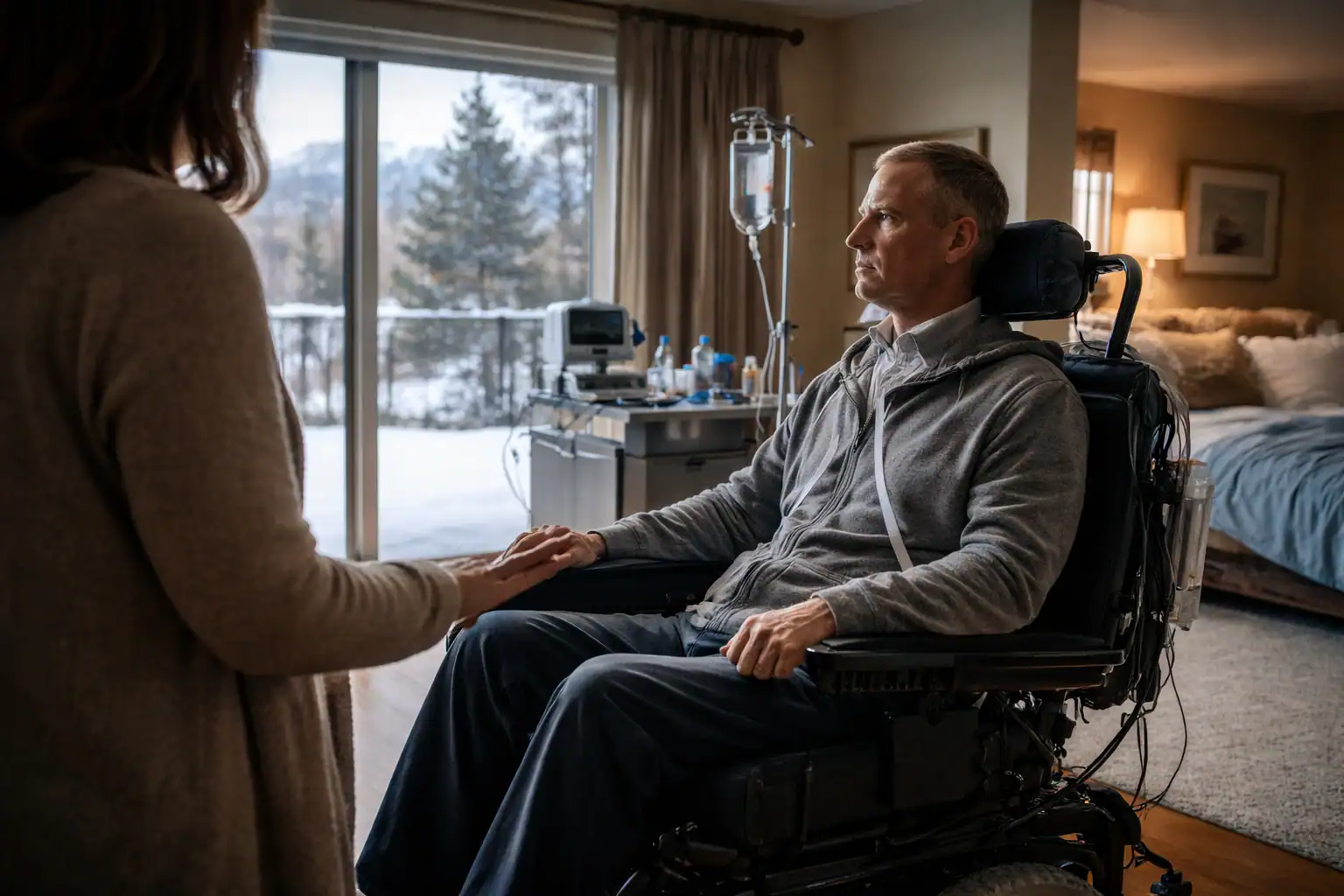
The doctor walks into the hospital room and explains that the damage to your spinal cord is permanent. The words land differently than any other diagnosis you have ever received. This is not a broken bone that will heal in six weeks. This is not a surgery that will restore what was lost. This is a new reality, and it begins right now.
Spinal cord injuries from car accidents represent some of the most life-altering events a human being can experience. In the span of seconds, a person goes from full physical autonomy to a life that requires assistance with basic functions most people never think about. Getting dressed. Bathing. Getting into and out of a car. The list is long and it is deeply personal and it affects not just the injured person but everyone who loves them.
Colorado law recognizes the enormity of these injuries. The compensation available in a spinal cord injury case reflects lifetime costs that most people cannot imagine until they are forced to calculate them.
The Scale of What a Spinal Cord Injury Costs
The National Spinal Cord Injury Statistical Center publishes data on the lifetime costs of spinal cord injuries, and the numbers are staggering even for people accustomed to thinking in large figures.
A person who sustains a complete cervical spinal cord injury, meaning paralysis of all four limbs, at age 25 faces estimated lifetime costs exceeding $5 million. That figure includes direct medical costs, ongoing care, equipment, home modification, and lost wages. It does not include pain and suffering, loss of enjoyment of life, or the emotional toll on the injured person and their family.
Incomplete injuries, where some function is preserved below the level of injury, carry lower but still enormous lifetime costs. A person with paraplegia, paralysis of the lower body, faces lifetime costs of $2.5 million to $3.5 million depending on age at injury and level of function retained.
These are averages. Individual cases vary based on the specific level and completeness of injury, the person’s age, their prior health, and whether complications develop over time. Complications are common. Pressure ulcers, urinary tract infections, respiratory problems, chronic pain, and depression affect the majority of spinal cord injury survivors at some point during their lives.
First-Year Medical Costs
The initial hospitalization and rehabilitation after a spinal cord injury is the most expensive phase of care. Average first-year medical costs for a high cervical injury exceed $1.1 million. For paraplegia, first-year costs average approximately $560,000.
These figures include emergency trauma care, surgical stabilization of the spine, intensive care, acute inpatient rehabilitation, and the equipment and home modifications needed to transition from the hospital to home. Acute inpatient rehabilitation alone, which is the intensive daily therapy program that begins once the patient is medically stable, typically lasts four to twelve weeks and costs tens of thousands of dollars per week.
The first year also includes the purchase of a wheelchair, which for a power chair with custom seating and controls can cost $25,000 to $60,000. A wheelchair-accessible vehicle modification runs $20,000 to $80,000 depending on the level of modification required. Home modifications including widened doorways, accessible bathrooms, ramp construction, and smart home technology can range from $25,000 for modest changes to $150,000 or more for comprehensive accessibility renovation.
Ongoing Annual Costs
After the first year, medical and support costs continue indefinitely. Annual costs for a person with high tetraplegia average approximately $200,000 per year. For paraplegia, annual costs average roughly $75,000 to $90,000.
These ongoing costs include regular medical appointments with physiatrists, urologists, pulmonologists, and other specialists. Prescription medications for pain management, spasticity, blood pressure regulation, and bladder function. Supplies including catheters, skin care products, and equipment maintenance. Physical and occupational therapy to maintain function and prevent secondary complications.
Personal care assistance represents one of the largest ongoing expenses. A person with tetraplegia may require 24-hour attendant care. Even a person with paraplegia who maintains significant upper body function typically needs daily assistance with certain tasks. Home health aides in Colorado cost $18 to $30 per hour depending on the level of care required and the qualifications of the aide. Over a year, even part-time assistance adds up quickly. Full-time attendant care can exceed $100,000 annually.
Equipment replacement is another ongoing cost that people often underestimate in the initial planning. Wheelchairs have a functional lifespan of five to seven years. Cushions and seating components need replacement more frequently. Vehicle modifications require updating when vehicles are replaced. Assistive technology evolves, and keeping current with devices that maximize independence is both medically beneficial and expensive.
Lost Earning Capacity
Spinal cord injury dramatically affects earning capacity. While many people with spinal cord injuries return to some form of employment, the statistical reality is sobering. Employment rates among spinal cord injury survivors are significantly lower than the general population, and those who do work often earn less than they did before their injury.
For a 30-year-old professional earning $80,000 per year at the time of injury, the lost earning capacity over a remaining work life of 35 years can exceed $2 million even accounting for partial return to work and the time value of money. For higher earners, the figures climb accordingly.
Colorado law allows recovery of lost earning capacity as an economic damage. This is distinct from lost wages, which compensates for income already missed during recovery. Lost earning capacity compensates for the reduction in your ability to earn money for the rest of your working life. Calculating this figure accurately requires vocational experts who evaluate your pre-injury career trajectory, your post-injury functional limitations, and the realistic employment options available to you given your new physical reality.
What Colorado Law Allows You to Recover
Colorado personal injury law provides several categories of damages in spinal cord injury cases.
Economic damages include all quantifiable financial losses. Past and future medical expenses, past and future lost wages and earning capacity, home modification costs, vehicle modification costs, assistive equipment, personal care assistance, and any other expense directly attributable to the injury. There is no cap on economic damages in Colorado.
Non-economic damages include pain and suffering, loss of enjoyment of life, inconvenience, emotional distress, and impairment of quality of life. These damages recognize that a spinal cord injury takes away far more than money. It takes away the ability to pick up your child, to walk through a park, to feel the ground beneath your feet. Colorado does not cap non-economic damages in most personal injury cases, though certain contexts may trigger caps.
In cases involving drunk driving, reckless conduct, or other egregious behavior, exemplary damages may be available under CRS 13-21-102. These damages are designed to punish the at-fault party and deter similar conduct. They require clear and convincing evidence of willful and wanton behavior.
The Life Care Plan
In any spinal cord injury case, a life care plan is an essential document. A life care planner, typically a registered nurse or physician with specialized training, evaluates the injured person’s current and future medical needs and creates a comprehensive plan that details every category of care, equipment, and support the person will need for the rest of their life.
The life care plan serves two purposes. First, it ensures that the injured person and their family understand the full scope of what lies ahead. Second, it provides the factual foundation for calculating future damages in the legal case.
A thorough life care plan addresses medical care by specialty, medication needs, therapy schedules, equipment purchase and replacement timelines, home care staffing requirements, home and vehicle modification needs, and contingency planning for complications. It assigns a cost to each item and projects those costs across the person’s life expectancy, adjusted for inflation and the specific medical economics of spinal cord injury care.
Insurance companies will challenge the life care plan. They will hire their own expert to produce a competing plan that projects lower costs, fewer needs, and a shorter duration of care. The credibility battle between competing life care plans often determines the outcome of the damages portion of the case.
Why These Cases Cannot Be Handled Alone
A spinal cord injury claim against an insurance company is not a negotiation between equals. The insurance company has teams of adjusters, attorneys, medical consultants, and economists working to minimize what they pay. They have handled thousands of injury claims. They know exactly how to delay, dispute, and devalue even the most catastrophic injuries.
The injured person and their family are dealing with the overwhelming reality of a life that has fundamentally changed. They are learning to navigate a new medical system, a new physical reality, and a financial crisis all at once. Trying to simultaneously negotiate with a sophisticated insurance operation is not just difficult. It is a setup for accepting a fraction of what the case is actually worth.
An attorney experienced in catastrophic injury cases brings the expertise, the resources, and the negotiating leverage necessary to secure compensation that actually reflects the lifetime costs of a spinal cord injury. This includes retaining the right medical experts, the right vocational experts, the right economists, and the right life care planners to build a case that accurately quantifies what has been lost and what will be needed going forward.
If you or a family member has suffered a spinal cord injury in a Colorado car accident, the stakes are too high to leave anything to chance. Call Flanagan Law at 720-928-9178 for a free consultation. We have the experience and the resources to fight for the lifetime of compensation your family needs and deserves.
Frequently Asked Questions
How is life expectancy affected by a spinal cord injury?
Life expectancy varies significantly by injury level and completeness. Advances in medical care have improved outcomes substantially, but spinal cord injury does reduce statistical life expectancy, particularly for higher-level injuries. Insurance companies may argue for a reduced life expectancy to lower future damage calculations. Your medical experts should provide individualized projections based on your specific health, injury level, and access to quality care.
Can I receive compensation for family members who provide my care?
Yes. When family members provide care that would otherwise require paid professionals, the value of that care is a recoverable economic damage in Colorado. A spouse who reduces their work hours or leaves employment entirely to serve as a caregiver has incurred an economic loss that the at-fault driver is responsible for. Documenting the hours and type of care provided by family members is important for establishing this component of damages.
What if the at-fault driver’s insurance is not enough to cover my spinal cord injury costs?
This is common in catastrophic injury cases. A driver carrying Colorado’s minimum $25,000 liability limit cannot come close to covering a spinal cord injury. Your own underinsured motorist coverage, any umbrella policies carried by the at-fault driver, commercial policies if the driver was working, and other coverage sources all become critical. Identifying every available dollar requires thorough investigation of all potentially applicable insurance.
Should I apply for Social Security Disability after a spinal cord injury from a car accident?
Potentially, but understand that SSDI and SSI have complex interactions with personal injury settlements. Receiving a lump sum settlement can affect your eligibility for needs-based benefits. Structured settlements and special needs trusts can be designed to preserve benefit eligibility while still providing the financial resources you need. This planning should be done with input from both your personal injury attorney and a benefits planning specialist before any settlement is finalized.