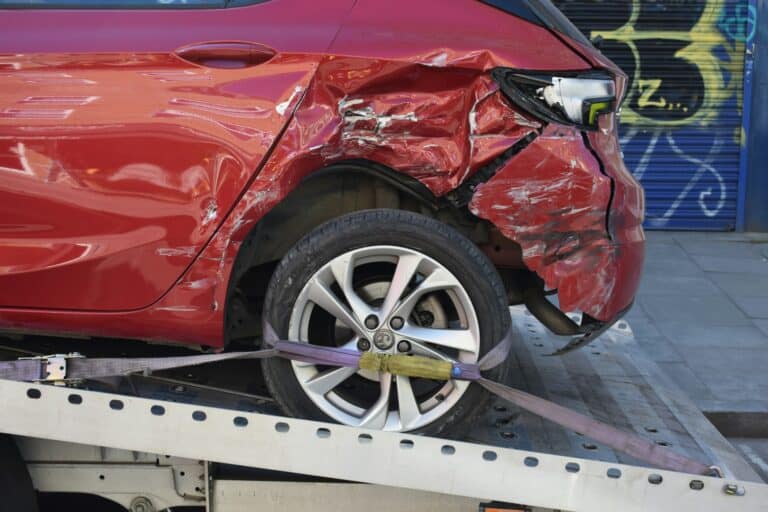
Navigating a Rear-End Collision Claim: A Step-by-Step Guide for Colorado Drivers
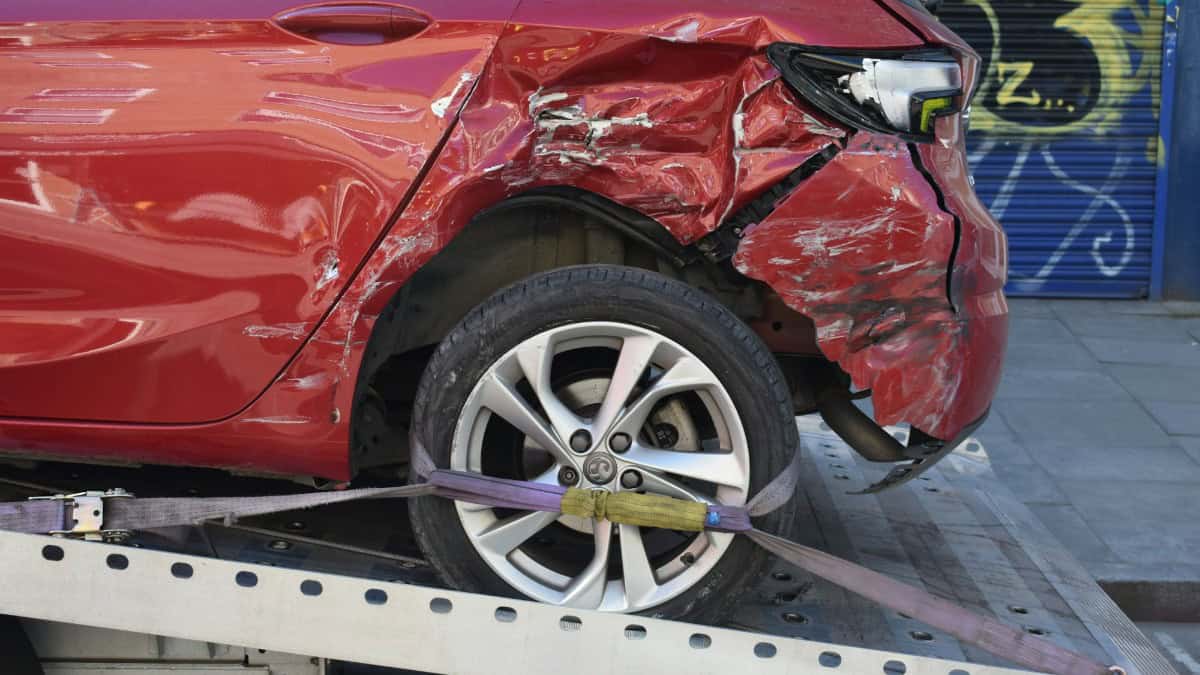
It’s the most common type of car accident in Colorado: the sudden, jarring impact from behind. Whether you’re stopped at a red light on Colorado Boulevard or in stop-and-go traffic on I-25, a rear-end collision can leave you with more than just a damaged bumper. These crashes often result in painful soft-tissue injuries like whiplash, which may not be apparent for days.
While it may seem obvious that the driver who hit you is at fault, their insurance company will work tirelessly to dispute the severity of your injuries and minimize your claim. Knowing what to do in the moments, days, and weeks after the crash is critical to protecting your health and your right to fair compensation.
At Flanagan Law, we’ve guided countless clients through this exact process. This is your step-by-step guide to navigating a rear-end collision claim in Colorado.
Step 1: At the Scene — Secure Your Safety and Evidence
Your actions in the first 15 minutes after the crash can set the foundation for your entire claim.
- Check for Injuries & Move to Safety: First, assess yourself and your passengers for injuries. If anyone is seriously hurt, call 911 immediately. If the cars are drivable and in a dangerous spot, move them to the shoulder or a nearby side street.
- Call the Police: Always call the police, even for a “minor” fender-bender. A police report is an objective, official record of the accident, the parties involved, and any citations issued. Insurance companies take police reports very seriously.
- Exchange Information: Get the other driver’s name, address, phone number, driver’s license number, and insurance information (company and policy number). Do not apologize or admit any fault.
- Document Everything: Use your phone to take pictures from every angle. Capture the damage to both vehicles, the license plates, the positions of the cars, and any relevant details like skid marks or road conditions. Take a wide shot of the entire scene.
Step 2: Seek a Medical Evaluation Immediately
This is the most important step for both your health and your legal claim. The forces in a rear-end collision snap your head and neck backward and forward violently. This can cause whiplash, a serious soft-tissue injury to the neck whose symptoms—headaches, neck stiffness, dizziness, and radiating pain—can take 24-72 hours to fully appear.
- Go to an ER or Urgent Care: Get checked out within 24 hours. This creates a direct medical link between the crash and your injuries.
- Tell the Doctor Everything: Mention every ache and pain, no matter how minor it seems. What feels like a small twinge today could become a debilitating problem tomorrow. Every symptom you report becomes part of the official medical record.
Step 3: Report the Claim and Handle the Insurance Adjuster
You are obligated to report the accident to your own insurance company promptly. However, you must be extremely careful when speaking to the at-fault driver’s insurance adjuster.
- Report the Facts Only: When you speak to the other driver’s adjuster, stick to the basic facts: who, what, where, and when.
- Do NOT Give a Recorded Statement: You are not legally required to provide a recorded statement. Adjusters are trained to ask leading questions to get you to downplay your injuries or inadvertently accept partial blame. Politely decline and state that you will be seeking medical treatment and will be in touch.
- Do NOT Accept a Quick Settlement: The adjuster may offer a few hundred dollars to “settle this quickly.” This is a tactic to get you to sign away your rights before the full extent of your injuries is known. Never accept an initial offer without understanding the full scope of your medical needs.
Step 4: Follow All Medical Advice and Document Everything
This is how you prove your damages. As we discussed in our guide on the “Duty to Mitigate,” you must take reasonable steps to recover.
- Attend All Appointments: Go to every physical therapy session and follow-up visit.
- Keep a Pain Journal: Document your daily pain levels, symptoms, and how the injuries are impacting your ability to work and live your life.
- Track All Expenses: Keep a folder with every bill, co-pay, prescription receipt, and a log of mileage to your appointments.
Step 5: When to Call an Attorney
While some minor fender-benders can be handled on your own, you should contact an attorney if:
- You or a passenger suffered any injury, especially whiplash, back pain, or a concussion.
- The other driver’s insurance company is disputing fault.
- The adjuster is pressuring you or making a lowball offer.
- Your medical bills are significant and ongoing.
Navigating a rear-end collision claim requires careful, methodical action. An attorney can take the burden of dealing with the insurance company off your shoulders, allowing you to focus on your recovery. [Link “rear-end collision” to your /rear-end-collisions/ page]
Frequently Asked Questions
Isn’t the driver who hits you from behind always at fault in Colorado?
Usually, but not automatically. There is a “rebuttable presumption” that the rear driver is at fault. However, they can rebut or overcome this presumption by proving the lead driver was negligent. For example, if the lead driver cut them off suddenly, had non-working brake lights, or slammed on their brakes for no reason (brake-checking), some fault could be assigned to the lead driver.
The damage to my car is minor. Can I still be seriously injured?
Yes, absolutely. Modern car bumpers are designed to absorb impact and can often pop back into place with little visible damage, even after a 10-15 MPH impact. However, the force of that impact is still transferred through the car and into your body. Significant, long-lasting whiplash injuries can and do occur in crashes with very little property damage.
How is compensation for whiplash calculated?
Compensation is based on your “damages.” This includes all your economic damages (medical bills, lost wages, future medical needs) and your non-economic damages (pain, suffering, inconvenience, and loss of enjoyment of life). The detailed medical records and pain journal you keep are the primary evidence used to value these non-economic damages.
What if the at-fault driver doesn’t have insurance?
This is where your own Uninsured/Underinsured Motorist (UM/UIM) coverage becomes your safety net. If you have this coverage on your policy, you can file a claim with your own insurance company, which will then step in and pay for your damages up to your policy limits.
How long do I have to file a rear-end collision claim in Colorado?
In Colorado, the statute of limitations for a motor vehicle accident is generally three years from the date of the crash. However, you should never wait that long. It is critical to act quickly to preserve evidence and build your case while the details are still fresh.
A rear-end collision can be more disruptive than it appears. If you are in pain and facing a difficult insurance adjuster, you don’t have to navigate the process alone. Contact Flanagan Law for a free, no-pressure consultation. We will protect your rights and fight to ensure you receive the full and fair compensation you need to move forward.