The Parent’s Guide to Teen Driver Safety in Colorado: Beyond Driver’s Ed
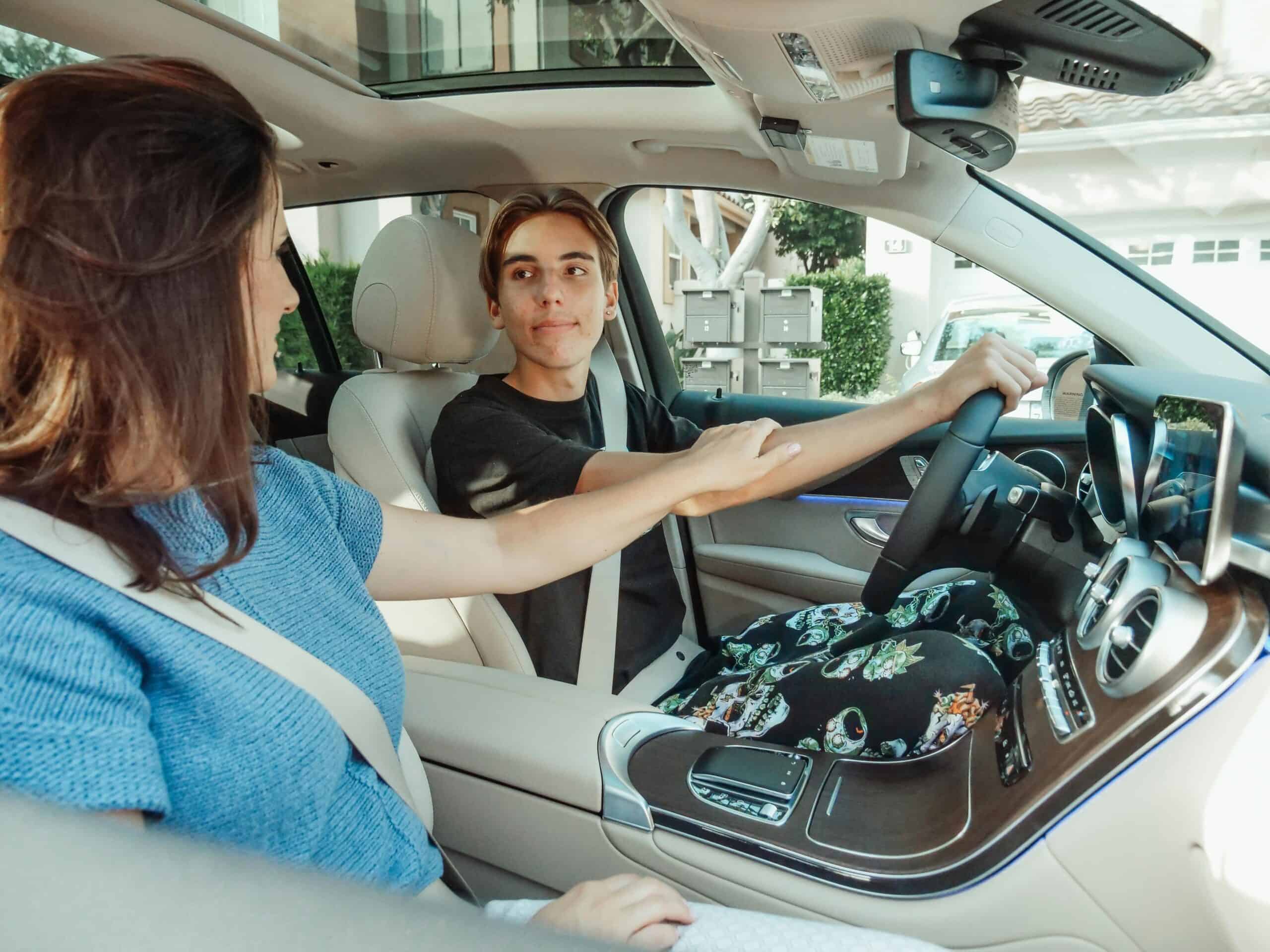
Handing over the car keys for the first time is a milestone mixed with pride and a heavy dose of anxiety. You’ve ensured they passed Driver’s Ed and logged their practice hours, but you know that true safety on Colorado’s roads goes far beyond the written test. For teen drivers, the greatest dangers aren’t just about knowing the rules of the road; they’re about inexperience, distraction, and a developing brain that is still learning to manage risk.
As personal injury attorneys, we see the devastating consequences when a teen’s inexperience leads to a preventable tragedy. This guide is designed to arm you, the parent, with the knowledge and tools to build upon the foundation of Driver’s Ed and instill habits that will protect your child for a lifetime.
Understanding the “Why”: The Science of the Teen Brain
The single most important concept for parents to grasp is that the teenage brain is still under construction. The prefrontal cortex, the area responsible for impulse control, risk assessment, and long-term planning, isn’t fully developed until the mid-20s. This means that even the most responsible teen is neurologically wired to be more susceptible to:
- Distractions: The lure of a text message or changing a playlist is exponentially more powerful for a teen than for an adult.
- Peer Pressure: The risk of a crash increases dramatically with each non-family passenger in the car.
- Poor Risk Assessment: A teen driver may not fully appreciate the danger of speeding on a winding mountain road or driving too fast for snowy conditions.
Because of this, your role as a “co-pilot” doesn’t end when they get their license. It just changes.
Beyond the Basics: The Colorado Graduated Driver Licensing (GDL) Laws
Colorado’s Graduated Driver Licensing (GDL) laws are not just suggestions; they are legally enforceable restrictions designed to save lives by gradually exposing young drivers to more complex driving situations. It’s critical that you not only know these laws but strictly enforce them.
- Passenger Restrictions: For the first six months, no passengers under 21 are allowed (unless they are a sibling). For the next six months, only one passenger under 21 is allowed. The data is clear: more teen passengers lead to more distractions and more fatal crashes.
- Curfew: For the first year, a teen cannot drive between midnight and 5 a.m. unless accompanied by an instructor, parent, or legal guardian, or for a school, work, or medical emergency.
- No Cell Phones: Absolutely no cell phone use is permitted for drivers under 18, including hands-free devices.
Enforcing these rules isn’t about being strict; it’s about providing a framework for safety while their brains and driving skills mature.
The Parent-Teen Driving Contract: Putting Safety in Writing
One of the most effective tools for ensuring long-term safety is creating a formal Parent-Teen Driving Contract. This written agreement goes beyond the state’s laws and sets clear, family-specific rules and consequences. It turns abstract conversations into concrete commitments. Your contract should include:
- Pledges from the Teen: “I will never text and drive,” “I will always enforce the passenger limits,” “I will call for a ride, no questions asked, if I or my driver has been drinking.”
- Pledges from the Parent: “I will model safe driving behavior,” “I will be available to pick you up when needed,” “We will discuss issues calmly and respectfully.”
- Consequences: Clearly outline the consequences for breaking the rules, such as losing driving privileges for a set period.
A contract creates mutual accountability and makes safety a shared, family value.
When a Mistake Becomes a Lawsuit
Even with the best preparation, accidents happen. When a teen driver is involved in a distracted driving accident or other collision, the legal and financial consequences can be overwhelming. Understanding your own insurance policy and the potential for liability is crucial. It’s a difficult conversation, but one that is necessary to protect your family’s future. [Link “distracted driving accident” to your /distracted-driving-accidents/ page]
Frequently Asked Questions
Am I, as a parent, legally liable for a car accident caused by my teen?
Yes. In Colorado, the “Family Car Doctrine” can hold the owners of a vehicle liable for damages when a family member is at fault for an accident while using the car for a family purpose. Additionally, a parent who knowingly allows an unsafe driver to use their car can be held liable for negligent entrustment.
How does my auto insurance policy cover my teen driver?
Teen drivers must be added to your family’s auto insurance policy. Be aware that adding a teen will significantly increase your premiums due to their high-risk classification. It is crucial to have adequate liability coverage, as well as Uninsured/Underinsured Motorist (UM/UIM) coverage, to protect your family’s assets.
What are the legal consequences for a teen who violates the GDL restrictions?
A violation of the GDL passenger or curfew restrictions is a Class A traffic infraction. This can result in fines, points against their license, and a potential delay in their ability to graduate to a full, unrestricted license. A cell phone violation also carries significant penalties.
Does my teen need a lawyer if they are at fault in a minor accident?
Even in a seemingly minor accident, it is always wise to consult with an attorney. An attorney can handle communication with the insurance companies and ensure your teen’s rights are protected. Admitting fault or giving a recorded statement without legal guidance can have serious, unforeseen consequences.
What is the “Move Over” law and why is it important for teens to know?
Colorado’s “Move Over” law requires drivers to move over at least one lane when approaching a stationary emergency vehicle, tow truck, or public utility vehicle with its lights flashing. If moving over isn’t possible, the driver must significantly slow down. Teens, being inexperienced, may not react properly in these high-stress situations, making it a critical safety rule to practice.