Why Your Denver Accident Claim Was Denied and What to Do Next

Introduction: A Denied Claim Isn’t the End
You’re cruising through Denver—maybe along Speer Boulevard—when a crash throws your plans into chaos. You’re diligent, with solid insurance, so you file a claim, expecting fairness. Then, the bombshell: your claim’s denied. It’s maddening, right? Bills loom, stress spikes, but as someone who plans ahead, you’re not down for the count, you’re ready to act. Flanagan Law’s here with a Denver accident lawyer’s guide to why claims get rejected and how to turn things around. This isn’t just advice—it’s your roadmap to the payout you deserve. Let’s unravel the mess and get you back on track.
Common Reasons Claims Get Shut Down
Insurers aren’t your allies, they’re profit machines. A denial’s often a tactic, not a verdict. Here’s why your Denver claim might’ve tanked, based on Colorado insurance data:
- Weak Evidence: They say you didn’t prove fault or injury severity.
- Policy Gaps: No coverage for extras like rentals if you skipped that option.
- Missed Deadlines: Colorado’s filing windows are tight—miss one, you’re out.
- Injury Disputes: They claim your pain’s old news, not crash-related.
- Lowball Ploys: Denials push you toward cheap settlements.
This list’s your cheat sheet—snappy for snippet chasers—showing where a Denver accident lawyer steps up.
5 Steps to Fight a Denial
A denial’s a bump, not a wall—here’s how to push through, I’ve seen it turn around:
1. Decode the Denial Letter
Grab that letter and dissect it. Insurers spell out why—maybe “no proof” or “policy limits.” Spot appeal deadlines, often 30-60 days. Missing them buries your claim, so act fast.
2. Stack Your Evidence
If they call your proof thin, bulk it up. Get medical records, X-rays, a doctor’s note tying injuries to the crash. Photos from your Denver wreck—Colfax chaos?—add weight. Witnesses, repair costs—pile it on.
3. Launch an Appeal
Write a sharp appeal letter, clear and pro. Pack in new evidence, counter their reasons (e.g., “My MRI shows crash damage”). File before the deadline—keep copies. Insurers take 30-60 days, but don’t hold your breath.
4. Call a Denver Accident Lawyer
Insurers bet you’ll quit—don’t. A Denver accident lawyer like Samantha Flanagan knows their games—low offers, delays. Flanagan Law’s won big for clients, no upfront fees. Call now for a free consultation.
5. Weigh Mediation or Court
Appeal flop? Mediation’s next—a neutral party pushes for a deal. If that fails, a lawsuit looms. Your lawyer maps the odds, ensuring you don’t settle short. Denver’s 2025 claim disputes are up, per NHTSA, so move quick.
Case Study: From Denial to Dollars
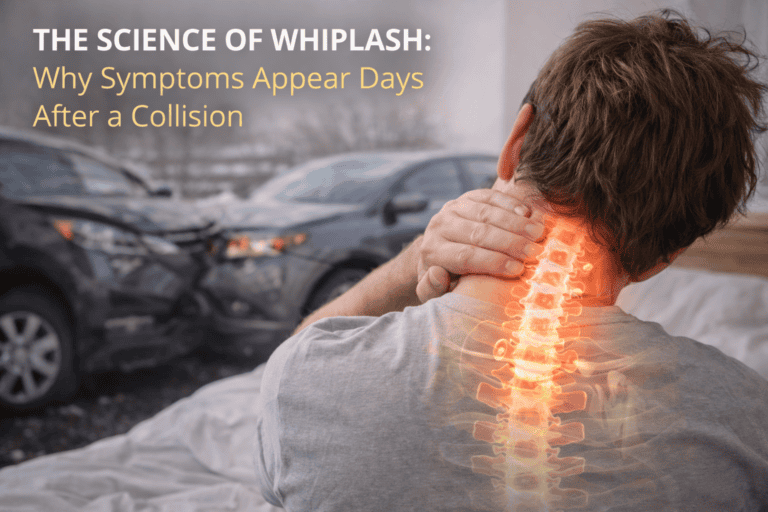
Meet James, a Denver barista smashed on I-25 last summer. A fender-bender left him with whiplash, $15,000 in bills. The insurer denied his claim, saying his pain was pre-existing. James was livid—sound familiar? His policy had high limits, but he needed a Denver accident lawyer. Flanagan Law took charge, snagging a chiropractor’s report, crash photos, and a coworker who saw him fine pre-accident. We appealed, fought six months, and won $85,000—bills, wages, pain covered. James’ prep—coverage, fast call—flipped the script. What’s your next step?
Insurer Tricks to Watch
Insurers aren’t dumb—they dodge payouts with:
- Fault flipping to cut claims.
- Paperwork stalls to wear you down.
- Fast, low offers—trap city.
A serious accident claim needs a pro—don’t let them outfox you.
Conclusion: Take Back Control
A denied claim in Denver stings, but you’re not out. Understand why, stack evidence, and fight with a Denver accident lawyer—your shot at justice. Your planning’s your power—use it. Flanagan Law’s here, no upfront costs, just results. Call us at flanagan.law for a free consultation—get what’s yours!
FAQ
Appeal costs—what’s the deal?
Filing’s free, but evidence—like tests—may cost. A lawyer weighs if it’s worth it, often covering till you win.
Handle it solo?
You can, but insurers pounce on errors. A pro boosts odds, no upfront fees.
Partial fault screws me?
Not if under 50%—Colorado’s rules let you claim, adjusted for blame.
Appeal timeline?
30-60 days usually, but Denver’s complex cases drag—follow up to push.
Worst denial mistake?
Spilling too much to insurers early—stick to basics till you’ve got counsel.