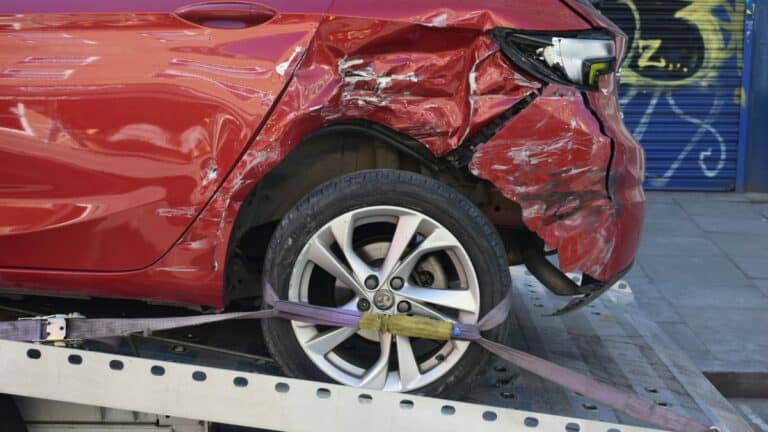
When Your Child Is Injured in Another Person’s Vehicle: A Colorado Parent’s Legal Guide
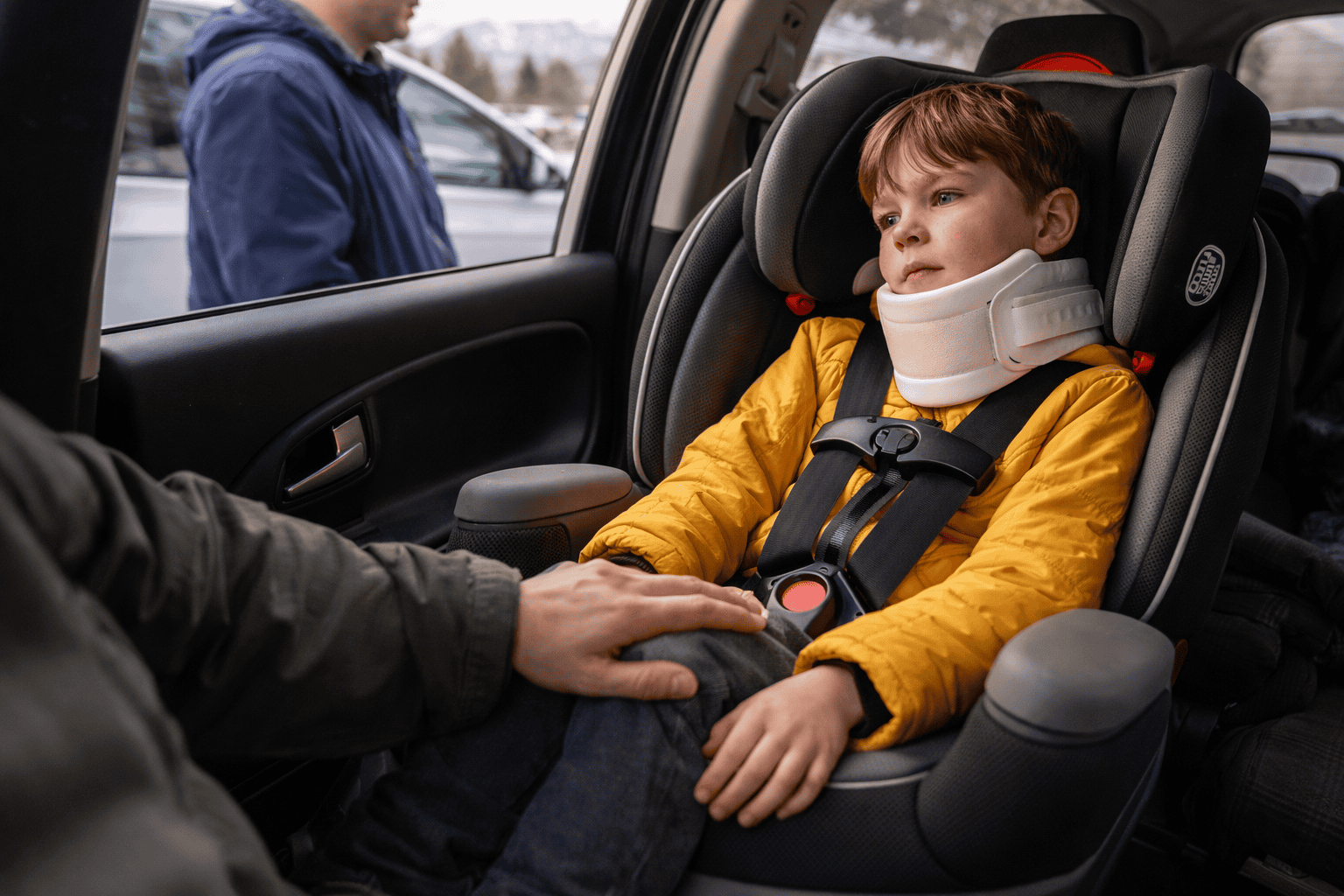
The phone call every parent dreads: your child has been in an accident. They were riding with a friend’s parent, a carpool driver, or a relative—and now they’re hurt. The relief that they’re alive quickly gives way to questions. Who’s responsible? How do medical bills get paid? What happens next?
In our practice, we’ve guided many Colorado families through this exact situation. The legal landscape is more complex than most people realize, but understanding the basics can help you protect your child’s interests from the start.
Who Is Legally Responsible?
The answer depends on who caused the accident. Colorado follows a fault-based system, meaning the person who caused the collision (and their insurance) is responsible for damages.
If another driver caused the accident: The at-fault driver’s liability insurance should cover your child’s injuries. This is true whether your child was riding in a friend’s car, a rideshare, or any other vehicle.
If the driver your child was riding with caused the accident: This creates a more delicate situation. The driver who was transporting your child may be liable. Their insurance would be responsible for covering your child’s injuries. Yes, this might mean pursuing a claim against a friend or family member’s policy—a reality that many parents find uncomfortable but necessary.
It’s worth remembering that insurance exists precisely for situations like this. You’re not suing your neighbor; you’re making a claim against their insurance policy, which they pay premiums for.
How Insurance Coverage Works for Child Passengers
Multiple insurance policies may come into play when a child is injured as a passenger. Understanding which ones apply—and in what order—is crucial.
The At-Fault Driver’s Liability Insurance
This is typically the primary source of compensation. Colorado requires minimum liability coverage of $25,000 per person for bodily injury. However, serious injuries can easily exceed this amount, which is why additional coverage sources matter.
Medical Payments Coverage (MedPay)
MedPay is optional coverage that pays medical expenses regardless of fault. If the vehicle your child was riding in had MedPay, it typically extends to passengers. Your own auto policy’s MedPay may also cover your child, even when they’re in someone else’s vehicle. This coverage can be vital for covering immediate medical costs while liability is being determined.
Your Uninsured/Underinsured Motorist Coverage
Under CRS 10-4-609, Colorado insurers must offer UM/UIM coverage. If the at-fault driver lacks insurance or carries insufficient coverage, your own UM/UIM policy can fill the gap—even when your child was injured in another person’s car. This is one of the most underappreciated forms of protection Colorado families have.
Insurance Stacking
Colorado allows “stacking” of UM/UIM coverage in certain circumstances. If you have multiple vehicles on your policy, or if there are multiple applicable policies, the coverages may stack to provide higher limits. The rules here get technical and policy-specific, so reviewing your actual coverage with a professional is important.
The Court Approval Process for Minor Settlements
Here’s something many parents don’t know: in Colorado, any settlement on behalf of a minor child must be approved by the court. This isn’t optional—its a legal requirement designed to protect children from inadequate settlements.
Under CRS 13-22-101 and the Colorado Rules of Probate Procedure, a parent or guardian cannot simply accept a settlement check and consider the matter closed. The court reviews the terms to ensure they serve the child’s best interests.
What the Court Considers
The judge will examine whether the settlement amount is fair given the child’s injuries, the strength of the case, and the available insurance limits. They’ll also review attorney fees to ensure they’re reasonable. This process adds time, but it provides a layer of protection that benefits your child.
Where the Money Goes
Settlement funds for minors don’t simply go into a parent’s bank account. Depending on the amount, the court may require the funds be placed in a blocked account, a trust, or another protected arrangement until the child reaches 18. For smaller settlements, Colorado allows simplified procedures, but court oversight remains.
What to Do Right Now
Get medical attention immediately. Children sometimes downplay symptoms or can’t articulate what they’re feeling. Have them evaluated by a healthcare provider, even if injuries seem minor. Some injuries—particularly soft tissue damage and concussions—may not be immediately apparent.
Document everything. Photograph any visible injuries. Keep all medical records and receipts. Note how the injury affects your child’s daily life, school attendance, activities, and emotional state.
Don’t accept quick settlement offers. Insurance companies may reach out early with offers that seem reasonable at first. Before accepting anything, understand the full extent of your child’s injuries and future medical needs. Once you settle, you typically cannot seek additional compensation later.
Be careful with recorded statements. You’re not required to give a recorded statement to the other driver’s insurance company. These statements can be used to minimize your claim. Consult an attorney first.
When You Should Call an Attorney
Not every fender-bender requires legal help. But when a child is injured, the calculus changes. Children’s injuries can have long-term consequences that aren’t immediately obvious. Growth plate injuries, traumatic brain injuries, and psychological trauma may not manifest fully for months or years.
An attorney can help ensure that any settlement accounts for future medical needs, not just current bills. We can navigate the court approval process, identify all available insurance coverage, and handle negotiations so you can focus on your child’s recovery.
Protecting Your Child’s Future
When your child is hurt, your instinct is to make it better. The legal process can feel like an obstacle, but it exists to protect children from settlements that don’t serve their long-term interests.
If your child was injured in a car accident in Colorado, call Flanagan Law at 720-928-9178 for a free consultation. We’ll help you understand your options and guide you through every step of protecting your child’s rights and recovery.
Frequently Asked Questions
Can I file a claim against a friend or family member who was driving?
Yes. The claim is made against their insurance policy, not their personal assets. Most people carry liability insurance for exactly these situations. While it may feel awkward, your child’s wellbeing should come first.
What if the driver who hit us has no insurance?
Your own uninsured motorist coverage can step in. Additionally, the driver of the vehicle your child was in may have UM coverage that applies. An attorney can help identify all potential sources of recovery.
How long do I have to file a claim for my child’s injuries?
Colorado’s statute of limitations for personal injury is generally three years from the date of the accident (CRS 13-80-102). For minors, the clock may be tolled until they reach 18, but waiting can harm your case. Evidence disappears and memories fade. Act promptly.
Will I have to go to court?
Most personal injury claims settle without trial. However, because Colorado requires court approval of minor settlements, you will likely have at least one court appearance for that process. It’s typically straightforward with proper preparation.
Sources
Colorado Revised Statutes § 10-4-609 (Uninsured Motorist Coverage Requirements)
Colorado Revised Statutes § 13-22-101 (Minor Settlement Approval)
Colorado Revised Statutes § 13-80-102 (Statute of Limitations—Personal Injury)
Colorado Rules of Probate Procedure