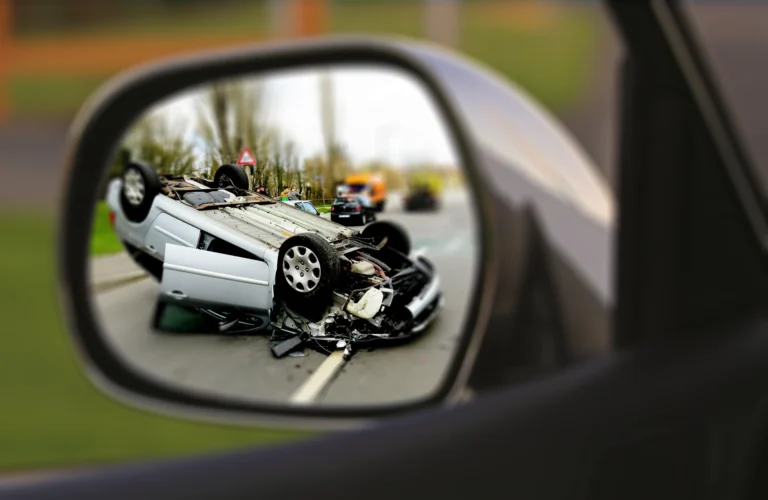
The Ultimate Colorado Winter Driving Safety Guide: A Pre-Trip Checklist for Every Driver
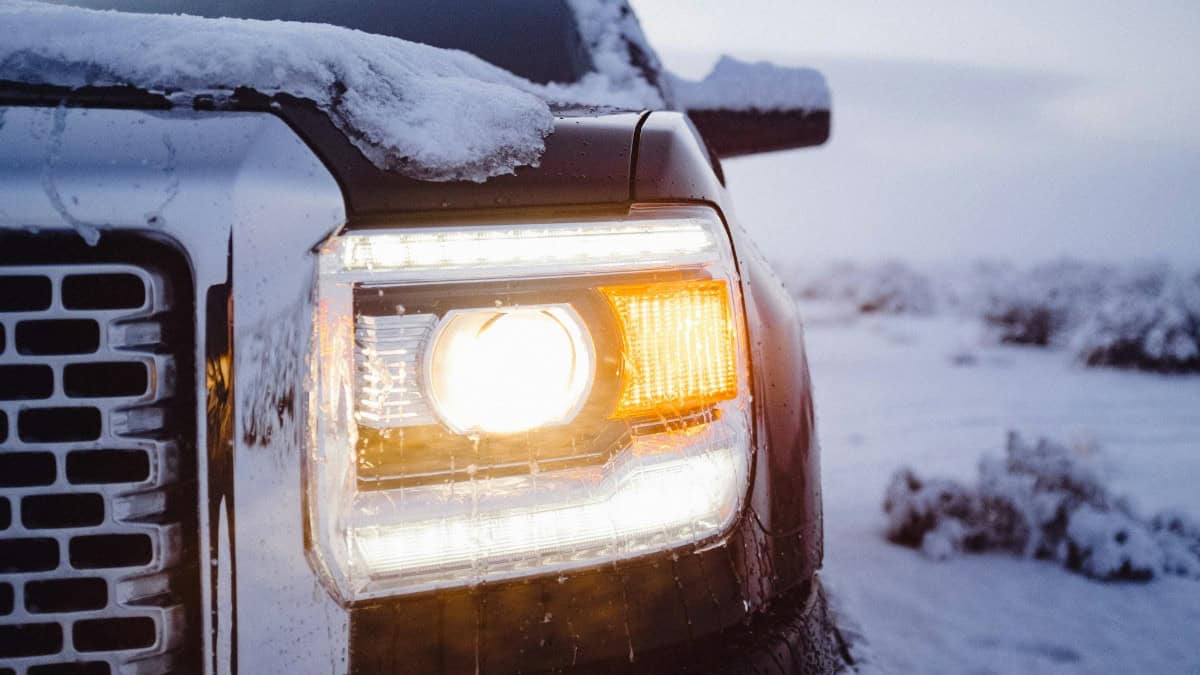
That first heavy snowfall blanketing the Rockies is a breathtaking sight, but it also signals a dramatic shift in how we must approach driving. In Colorado, winter conditions can turn a routine commute into a high-stakes battle against physics. According to the Colorado Department of Transportation (CDOT), thousands of accidents occur each winter due to conditions like snow and ice. The most dangerous factor, however, isn’t the weather itself; it’s drivers going too fast for the conditions.
At Flanagan Law, we believe that preparation is the most powerful tool for preventing a winter driving tragedy. This guide is your ultimate pre-trip checklist, designed to ensure both your vehicle and your mindset are ready before you even turn the key.
Part 1: Prepare Your Vehicle Before the First Snowfall
Winter readiness starts long before the first storm hits. Taking these steps in the fall can save you from a dangerous situation on an icy mountain pass.
- Tires are Everything: Your tires are the only part of your car in contact with the road. In winter, their condition is non-negotiable.
- Check Your Tread Depth: Colorado’s Traction Law requires a minimum tread depth of 3/16th of an inch. An easy way to check is with a quarter. Place it upside down in the tread; if you can see the top of George Washington’s head, your tires are not legal for winter traction laws.
- Consider Winter Tires: While all-season tires with the “M+S” (Mud + Snow) designation are legally sufficient for the Traction Law, dedicated winter tires offer superior performance. Their softer rubber compound stays flexible in the cold, providing a significantly better grip and reducing stopping distances. At 60 MPH on snowy pavement, winter tires can stop in 310 feet, while all-season tires require a staggering 668 feet.
- Essential Fluids:
- Wiper Fluid: Top off with a winter-grade fluid that won’t freeze. You will use more than you think to clear away road grime and magnesium chloride.
- Antifreeze: Ensure your coolant is rated for Colorado’s coldest temperatures to prevent catastrophic engine damage.
- Wiper Blades: Replace your wiper blades if they are streaking or leaving gaps. Consider winter-specific blades that are heavier and better at clearing ice and snow.
- Build Your Winter Emergency Kit: This kit should live in your car from October to May. It’s your lifeline if you become stranded.
- Essentials: Ice scraper, snow brush, small shovel.
- Traction Aids: Bag of sand or cat litter.
- Safety & Warmth: Flashlight with extra batteries, warm blankets, extra gloves and hats, jumper cables, and a portable cell phone charger.
- Sustenance: Non-perishable snacks and a few bottles of water.
Part 2: The Pre-Drive Checklist (Every Single Trip)
Before you pull out of your driveway on a snowy day, run through this quick mental checklist.
- Know Before You Go: Check the road conditions on COtrip.org. This site provides real-time information on road closures, accidents, and active Traction or Chain Laws.
- Clear All Snow and Ice: Don’t be a “peephole driver.” Clear all snow from your entire vehicle—roof, hood, trunk, windows, and all lights. Flying snow and ice from your roof can blind the driver behind you, creating a serious hazard.
- Check Your Tailpipe: If you are parked in deep snow, ensure your vehicle’s exhaust pipe is clear before starting the engine to prevent a deadly buildup of carbon monoxide inside the car.
- Adjust Your Mindset: The most important pre-trip preparation is mental. Acknowledge that your trip will take longer. Leave extra early and commit to driving slowly and patiently.
Part 3: Understanding Colorado’s Traction & Chain Laws
Colorado has specific laws that are activated during winter weather to prevent accidents and keep traffic moving, especially on the I-70 mountain corridor.
- Passenger Vehicle Traction Law (Code 15): This is the most common restriction. When active, all vehicles must have either snow tires, M+S designated tires, or be a 4WD/AWD vehicle. All tires must have the required 3/16-inch tread.
- Passenger Vehicle Chain Law (Code 16): This is a more severe restriction. When active, every vehicle on the roadway is required to have chains or an alternative traction device (like AutoSock) installed.
- The Fines are Steep: If you are found to have inadequate equipment during an active law, you can be fined over $130. If your vehicle blocks the roadway due to non-compliance, that fine can jump to over $650.
Driving in a Colorado winter demands respect for the conditions. When a driver ignores that reality and causes a serious car accident, the consequences can be devastating. [Link “car accident” to your /car-accidents/ page]
Frequently Asked Questions
Do I need chains if I have a 4WD or AWD vehicle?
Under the basic Traction Law (Code 15), a 4WD/AWD vehicle with adequate 3/16-inch M+S or snow tires is compliant without chains. However, if the more severe Passenger Vehicle Chain Law (Code 16) is in effect, even 4WD/AWD vehicles are required to have chains or an approved traction device installed.
Where does the Traction Law apply?
From September 1st to May 31st, the Passenger Vehicle Traction Law is always active on I-70 between Dotsero (mile marker 133) and Morrison (mile marker 259). CDOT can implement the Traction Law or Chain Law on any other state highway when conditions warrant it, and they will announce it via highway signs and on COtrip.org.
How fast should I drive with chains on?
You should not exceed 30 MPH when you have chains installed on your tires. Driving faster can damage the chains, your tires, and your vehicle, and it significantly increases your risk of losing control.
What’s the biggest mistake drivers make in the snow?
Driving too fast for the conditions is the number one cause of winter accidents investigated by the Colorado State Patrol. Drivers often have a false sense of security, especially in AWD vehicles, and they fail to reduce their speed enough to account for longer stopping distances and potential ice patches.
Does braking or turning cause more skids on ice?
Both can, but the key is to do everything smoothly and gently. Avoid abrupt actions. Brake gently, accelerate gently, and make slow, deliberate turns. If your car begins to skid, take your foot off the pedals and steer calmly in the direction you want the front of the car to go.
Is it safer to follow the tire tracks of the car in front of me?
Yes and no. Following in established tracks can provide better traction than driving on fresh snow. However, you must significantly increase your following distance to at least 8-10 seconds behind the vehicle in front of you. This gives you the time and space you need to react and stop safely.
If I get in an accident, is the weather automatically to blame?
No. While weather and road conditions are contributing factors, the vast majority of winter accidents are caused by driver error. A driver has a legal duty to operate their vehicle safely for the present conditions. Sliding on ice and causing a crash is not an “act of God”; it is typically evidence that the driver was going too fast or following too closely for the conditions.