Rental Car Accidents in Colorado: Who Pays When You’re Not Driving Your Own Vehicle?
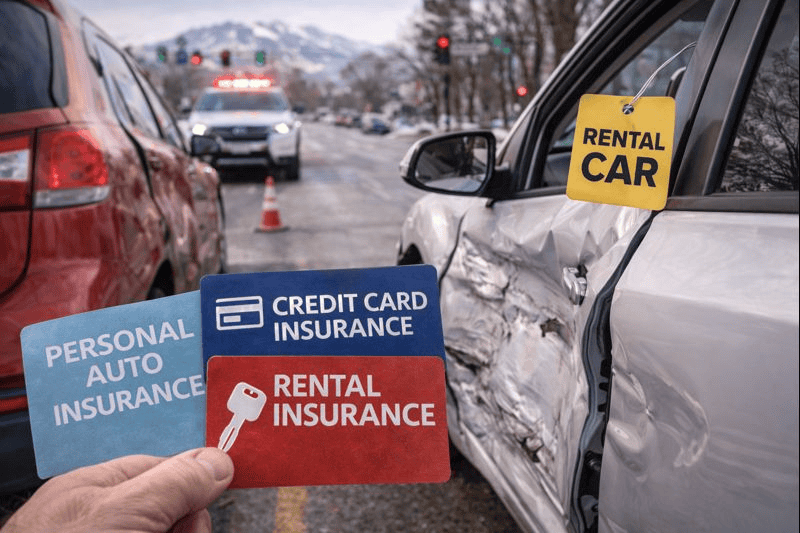
You’re driving a rental car through Denver when another driver runs a red light and slams into your passenger side. In the chaos that follows—the airbags, the sirens, the paperwork—one question cuts through everything else: whose insurance is supposed to handle this?
Rental car accidents create a tangle of coverage questions that most people never think about until they’re standing on the side of the road. The answer isn’t always straightforward, and getting it wrong can cost you thousands.
The Coverage Puzzle After a Rental Car Crash
When you rent a vehicle, multiple insurance policies might apply to your accident. Understanding which ones respond—and in what order—can mean the difference between full compensation and unexpected bills.
Your Personal Auto Insurance
If you carry auto insurance in Colorado, your policy typically extends to rental vehicles. Your liability coverage protects you if you cause an accident, and your collision and comprehensive coverage (if you have them) apply to damage to the rental car itself.
But here’s where people get tripped up: your personal policy’s limits don’t increase just because you’re driving a rental. If you carry minimum Colorado coverage—$25,000 per person for bodily injury—that’s still your limit whether you’re in your own Honda or a rented SUV.
Credit Card Rental Coverage
Many credit cards offer rental car coverage as a perk. This coverage is usually secondary, meaning it kicks in only after your personal insurance pays out. Some premium cards offer primary coverage, but you’ll need to check your specific card benefits.
Credit card coverage typically only applies to vehicle damage—not liability for injuries you cause to others. And it often excludes certain vehicle types like trucks, luxury cars, and SUVs. The rental company won’t tell you these details at the counter.
The Rental Company’s Insurance Options
When you pick up your rental, they’ll offer several coverage options: Loss Damage Waiver (LDW), Supplemental Liability Insurance (SLI), Personal Accident Insurance, and Personal Effects Coverage. These add-ons can double your daily rental cost.
The Loss Damage Waiver isn’t technically insurance—it’s an agreement where the rental company waives its right to charge you for damage to the vehicle. It can provide peace of mind, but it’s often redundant if you have good personal coverage.
What Happens When Someone Else Hits Your Rental Car
If another driver causes the accident, their liability insurance should cover your injuries and the damage to the rental vehicle. But rental car claims add complexity that doesn’t exist with your own car.
The Rental Company Wants Their Money
Rental companies move fast to recover costs. They’ll file a claim against the at-fault driver’s insurance, but they’ll also look to you if that process takes too long or doesn’t fully compensate them. You might receive a bill for “loss of use”—the revenue they lost while the car was being repaired—even when the accident wasn’t your fault.
Colorado courts have generally upheld rental companies’ right to recover loss of use damages. This can add hundreds or even thousands to your out-of-pocket costs if you’re not carefull about how the claim is handled.
Diminished Value Claims
Rental companies may also pursue diminished value claims—compensation for the reduced resale value of a vehicle after it’s been in an accident, even after repairs. These claims can surprise people who thought the matter was settled once the car was fixed.
When You’re Injured in a Rental Car Accident
Your injuries don’t care whose name is on the vehicle registration. You deserve compensation for medical bills, lost wages, and pain and suffering regardless of whether you were driving your own car or a rental.
The claims process, however, requires careful navigation. The at-fault driver’s insurance company will try to minimize your payout. The rental company will prioritize recovering their vehicle costs. Without someone advocating specifically for your interests, you can get lost in the shuffle.
Medical Payments Coverage and Rentals
If your personal auto policy includes Medical Payments (MedPay) coverage, it should apply when you’re injured in a rental vehicle. This coverage pays your medical expenses regardless of fault, up to your policy limits. It’s often overlooked but can be crucial for covering immediate medical costs while liability is being determined.
Protecting Yourself Before and After a Rental Car Accident
The best time to understand your coverage is before you need it. Review your personal auto policy and credit card benefits before your next rental. Know your limits and your gaps.
If you’re in an accident while driving a rental:
Document everything at the scene, including photos of all vehicles, the rental agreement, and contact information for witnesses. Report the accident to the rental company immediately—most agreements require prompt notification. Contact your personal insurance company and your credit card company if you’re using their coverage. Don’t sign anything from the rental company beyond the initial accident report without understanding what you’re agreeing to.
When the Coverage Questions Get Complicated
Rental car accidents often involve disputes between multiple insurance companies, each trying to minimize their responsibility. Add in a rental company pursuing its own recovery, and you can find yourself caught in the middle of a three-way fight.
If your injuries are significant, or if you’re facing unexpected bills from the rental company, or if the at-fault driver’s insurance is disputing liability, you need someone in your corner who understands how these claims work.
Call Flanagan Law at 720-928-9178 for a free consultation. We’ll help you understand your coverage, protect your rights, and make sure the rental car complications don’t shortchange your recovery.
Frequently Asked Questions
Does my personal auto insurance cover rental cars in other states?
Generally, yes. Most personal auto policies provide coverage throughout the United States and Canada. However, coverage for rentals in Mexico typically requires a separate Mexican insurance policy. Check your policy or call your agent to confirm your specific coverage territory.
What if I declined all the rental company’s insurance options?
You’ll rely on your personal auto insurance and any credit card coverage you have. If you don’t have collision coverage on your personal policy, you may be personally responsible for damage to the rental vehicle if you cause an accident or it’s damaged while in your possession.
Can the rental company charge me if the accident wasn’t my fault?
Yes, initially. Rental companies often charge your card for damages and then expect you to recover from the at-fault party. They may also charge administrative fees and loss of use regardless of fault. You can dispute these charges, but it requires documentation and persistence.
How long do I have to file a claim after a rental car accident in Colorado?
Colorado’s statute of limitations for personal injury claims is three years from the date of the accident. However, your rental agreement and insurance policies may have much shorter notification requirements. Report accidents immediately to preserve all your options.