I-70 in December: Colorado’s Toughest Winter Highway
A Highway That Turns Unpredictable in December
I-70 is beautiful in the summer and unforgiving in the winter. Steep grades, sudden storms, and heavy ski-season traffic collide with icy pavement and impatient drivers. December brings the perfect mix of weather and congestion to push both cars and nerves to the limit.
You can be doing everything right and still find yourself sliding sideways near Floyd Hill or boxed between semis near the tunnels. A slight misread of conditions can change everything in seconds.
Why December Is the Worst Month on I-70
- Weather systems drop snow quickly
- Steep grades reduce traction
- Shaded mountain walls keep ice from melting
- Ski-season traffic amplifies every slowdown
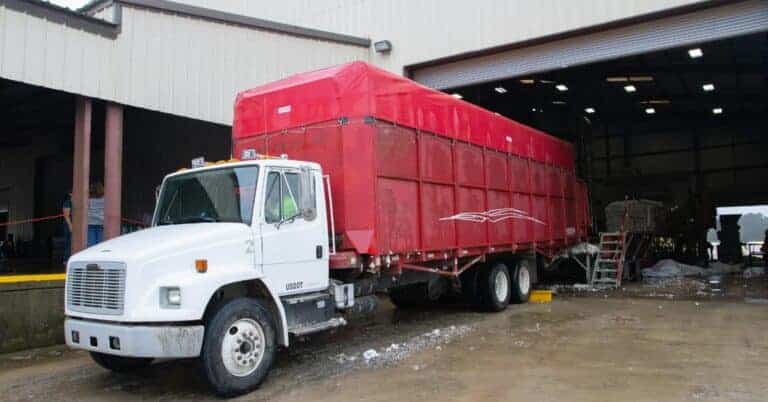
- Semis struggle with traction and braking
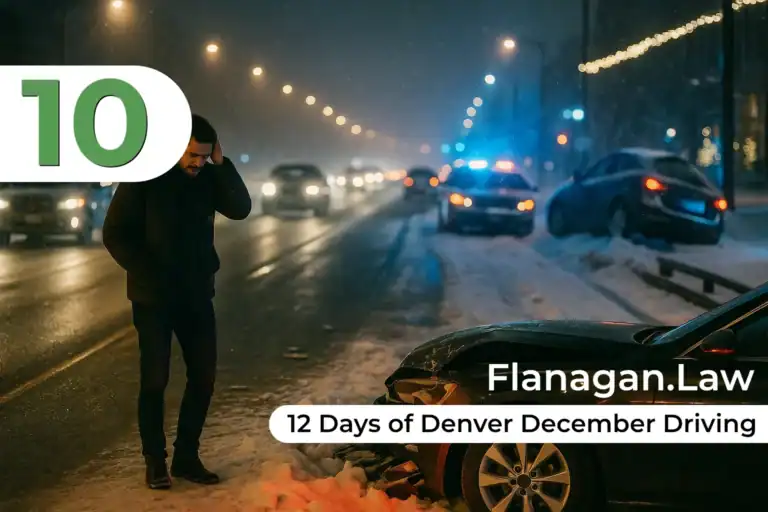
Even a light dusting can cause jackknifes, spinouts, and long delays. And once a crash happens, the narrow roadway offers little room for escape.
The Hidden Risks Most Drivers Don’t Notice
- Black ice forms in canyon curves.
- Truckers brake harder on downgrades.
- Tourists underestimate mountain weather.
- Cars cluster too tightly behind slow vehicles.
A driver told me last year that his SUV felt solid until he hit a patch near Georgetown where the wind blasted loose powder across the lanes. He didn’t crash, but it shook him more than he expected.
How Fault Is Determined After an I-70 Winter Crash
Colorado looks at what each driver could reasonably control. This includes:
- Speed for conditions
- Following distance
- Vehicle maintenance
- Tire quality
- Driver attention
- Lane discipline
Mountain driving requires more caution. If someone ignored that, liability may shift toward them even if snow contributed.
What to Do After an I-70 Collision
Safety comes first. Secondary collisions happen often because braking distances stretch out dramatically in cold weather. If you can do so safely, move your vehicle off the main travel lane. Document the scene fast—light changes quickly in the mountains, and snow can erase important evidence before help arrives.
Why These Crashes Feel Emotionally Harder
People often feel shaken longer after a highway crash than a neighborhood one. Maybe it’s the speed, the mountains, or the sense of helplessness when traction disappears. Recovering emotionally takes time, and winter stress can make everything feel heavier.
Free Help After an I-70 Winter Accident
A December crash on I-70 leaves people overwhelmed, hurting, and unsure what to do next. You don’t need to navigate this alone.
Call 720-928-9178 to talk with Flanagan Law. Your consultation is free, and we’ll help you understand your options clearly.
FAQs
Why do I-70 conditions change so quickly in winter?
Mountain weather shifts fast because of elevation, wind tunnels, and shaded areas that stay icy even when nearby stretches look dry.
Are truck-related crashes more common in December?
Yes. Semis struggle with traction on grades, and heavy ski traffic gives them less room to maneuver, raising the risk of jackknifing.
Why do tourists have more accidents on I-70?
Many visitors underestimate mountain driving, use worn rental tires, or travel too fast for the steep, icy conditions they’re not used to.
Should I use chains or snow socks on I-70 in December?
In heavy storms, traction laws may require it, especially for commercial vehicles. Better traction lowers your risk and reduces liability questions.
Why are canyon curves especially dangerous?
Shaded rock walls keep ice frozen longer, and curves hide slick patches until the moment you enter them.
Can weather alone be blamed for an I-70 crash?
Rarely. Drivers are expected to slow down, maintain space, and stay alert. Weather is a factor, but not an excuse.
Does skid control or stability control prevent spinouts on I-70?
These systems help but can’t overcome physics. They reduce risk but don’t replace slow, cautious driving on icy mountain grades.