Denver Teen Drivers and December Winter Risks
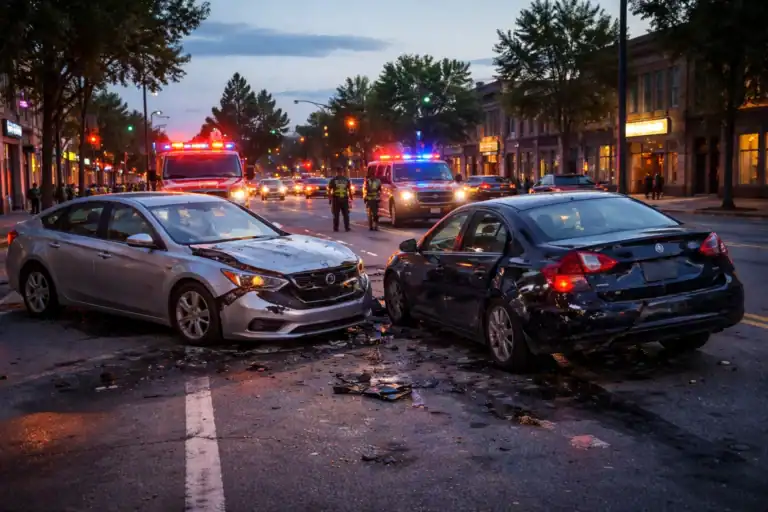
When Inexperience Meets Winter Conditions
Teen drivers face challenges even in perfect weather. Add snow, ice, dark evenings, and holiday stress, and the risks increase fast. Many teens haven’t driven through a full winter yet, so December becomes a sort of test they didn’t ask for.
One parent said her teen was shocked by how different the car felt on cold pavement. “It was like the road changed its mind,” she joked, but the fear was real.
Why Teen Crashes Increase in December
- Limited winter-driving experience
- Overconfidence behind the wheel
- Rushed driving after school or practice
- Peer distraction
- Difficulty judging stopping distances
- Early sunsets and nighttime driving
Even small mistakes can lead to collisions when traction disappears.
The Emotional Toll on Families
Teen crashes shake families deeply. Parents worry about injuries, legal issues, and long-term confidence behind the wheel. Teens often feel embarrassed or scared, unsure whether the crash was their fault or simply bad luck.
How Colorado Handles Teen Driver Liability
Teen drivers are held to the same safety standards as adults. If they were speeding, distracted, or driving too fast for conditions, they may be found negligent even if winter conditions contributed.
Colorado’s insurance rules also allow claims against a teen’s policy, the vehicle owner, or sometimes both.
Preventing Teen Winter Crashes
- Encourage slower driving everywhere in December.
- Practice braking in an empty snowy parking lot.
- Teach proper following distance for icy roads.
- Limit nighttime drives in severe weather.
- Talk openly about fear or stress behind the wheel.
Small habits build safer winter driving.
What to Do After a Teen-Driver Crash
- Make sure your teen receives medical care, even if they feel “fine.”
- Document the scene together if possible.
- Avoid letting your teen apologize; fear can make them over-assume blame.
- Call police to create a clear record.
- Speak with a lawyer to understand next steps.
Teen-driver claims get complicated because emotions run high and multiple insurance policies may be involved.
Support After a Teen Winter Crash
If your teen was injured or involved in a December crash, you’re not alone.
Call 720-928-9178 for a free, compassionate consultation with Flanagan Law. We’ll help you understand your family’s rights and protect your teen’s recovery.
FAQs
Why do teens misjudge icy roads more than adults?
They have fewer winter experiences to draw from, making it harder to predict how the car will react.
Should teens practice winter driving in a safe area?
Yes. Controlled practice builds skills and confidence that help prevent real-world crashes.
Does Colorado restrict teen driving during winter months?
The laws don’t change for winter, but teens must follow graduated licensing rules that limit passengers and late-night driving.
Why do teens get overwhelmed more easily in winter traffic?
Cold weather, poor visibility, and holiday congestion create sensory overload for newer drivers.
Can a parent’s insurance be responsible for a teen’s crash?
Yes. Many teen drivers are covered under a parent’s policy, and claims often go through that coverage.
Do winter crashes increase teen driving anxiety?
They can. Teens may fear driving again, especially if the crash felt sudden or confusing.
Should parents call a lawyer even if the crash was “minor”?
Yes. Winter crashes often reveal injuries or complications later, and early guidance protects your teen’s interests.