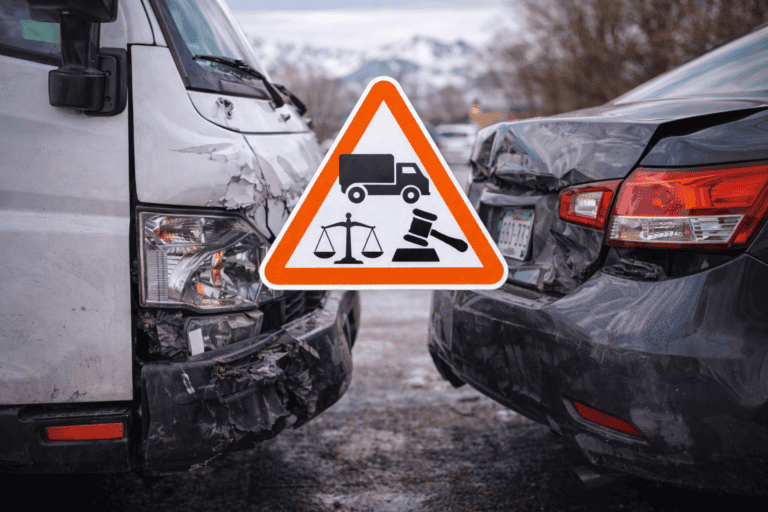
What Happens If You’re Hit by a Delivery Driver During the Holidays?

The holiday season fills Colorado roads with delivery vans, rideshare cars, and courier trucks hurrying to meet deadlines. From Amazon to DoorDash, the pressure on drivers skyrockets—and so does the risk of accidents.
If one of those vehicles collides with you, you’ll face more than a damaged car. You’ll face confusing questions about insurance, liability, and fault. This guide explains how those claims work and what to do first.
The Holiday Delivery Rush: Hidden Risks
Between Thanksgiving and New Year’s, Colorado sees a major jump in delivery-related traffic. According to federal transportation data, these are the most common causes of seasonal delivery crashes:
- Long hours and driver fatigue
- Distracted driving from navigation or phone use
- Overloaded or poorly maintained vehicles
- Icy or snow-covered roads
- Pressure to meet unrealistic delivery schedules
Even careful drivers can’t always avoid these hazards. But knowing who’s legally responsible after a crash can make the difference between financial recovery and months of frustration.
Who’s Responsible for a Delivery-Driver Crash?
Responsibility depends on whether the driver is an employee or a contractor.
- Employees (for example, UPS or FedEx drivers) are generally covered by the company’s commercial insurance.
- Contractors or gig drivers (Amazon Flex, Uber Eats, etc.) may rely on both personal and company policies, depending on whether they were actively making a delivery when the crash happened.
Colorado law examines the driver’s work status and the company’s control over their schedule when determining liability.
Need immediate help? Call 720-928-9178 to talk directly with Flanagan Law about your situation. There’s no fee unless you win.
What Compensation May Be Available
If you’ve been injured, a personal-injury claim can help recover:
- Medical expenses for hospital visits, therapy, and follow-ups
- Lost income if you missed work
- Property damage for your vehicle
- Pain and suffering tied to recovery and disruption of life
Never assume the insurer—especially a corporate carrier—will pay what’s fair without a fight. Before you sign or record any statement, get legal advice to avoid weakening your claim.
Example Scenario: When Coverage Gets Complicated
Imagine this: a driver delivering packages through a national courier app runs a stop sign and causes a collision. Their personal insurance denies the claim because the vehicle was being used for work.
A qualified attorney can investigate whether the courier company’s commercial policy applies and pursue compensation through that coverage instead. The difference can be thousands of dollars in recovery.
Unsure who’s liable for your holiday crash? Call 720-928-9178 now for a no-cost consultation with Flanagan Law.
Why Timing Matters During the Holidays
Insurance companies slow down dramatically in November and December. Adjusters take vacation, backlogs grow, and critical evidence fades.
Even though Colorado law allows three years to file a car-accident claim, waiting is risky. Photos, dash-cam data, and witness statements disappear quickly. Acting fast keeps your case strong and your stress lower.
How to Protect Your Case
- Report the crash to police immediately.
- Take clear photos of all vehicles, license plates, and the scene.
- Gather witness contact details.
- Seek medical evaluation right away—even mild pain can signal injury.
- Contact a personal-injury attorney before talking to any insurer.
These small steps can prevent major losses later.
Ready to move forward? Call Flanagan Law at 720-928-9178 today for experienced help with delivery-driver accidents in Colorado.
FAQs
What if the driver was using their personal car for deliveries?
Most gig-delivery apps provide limited commercial coverage only while a delivery is active. Off-duty accidents usually fall under the driver’s personal insurance.
Can I sue the delivery company?
Yes, if the driver was an employee or if company policies—like unsafe deadlines—played a role in the crash.
Does it matter which platform or company was involved?
Yes. Each major brand has its own coverage rules and claim process. An attorney can identify which policy applies.
How long does it take to resolve these claims?
Minor injuries may settle within a few months. Larger or disputed cases can take longer, depending on evidence and negotiation.
What happens if I was partly at fault?
Colorado’s comparative negligence law still allows recovery if you were less than 50 percent responsible. Your compensation is reduced by your share of fault.