Visibility Failures on Denver Roads in December
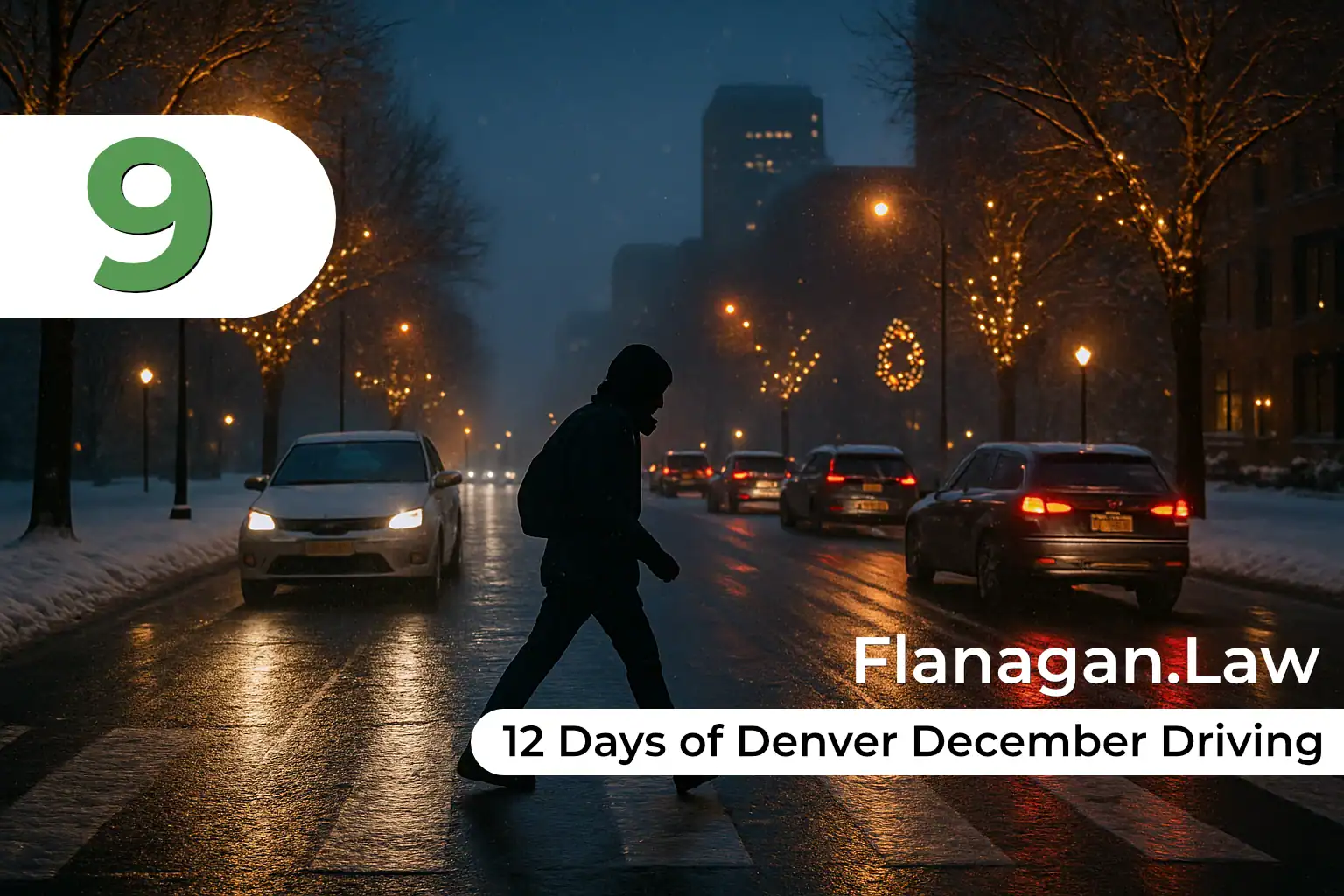
When You Can’t See, You Can’t React
Denver winters create a strange mix of visibility problems—fog that settles without warning, frost that clings to windshields, and low sunlight that blinds drivers during morning and evening commutes. December adds dark evenings and unpredictable weather to the equation.
Drivers often think visibility issues are minor until a near miss or a crash makes them realize how fast danger appears in winter light.
Common Visibility Problems in December
- Windshields frost quickly when temperatures drop.
- Low sun angles create intense glare.
- Fog collects in low-lying areas near parks or water.
- Dirty headlights reduce illumination even further.
- Side mirrors freeze and block blind spots.
One driver shared that he once tried to scrape just a small “peephole” of frost because he was running late. He didn’t crash, but he admitted afterward it was a terrible idea and honestly a bit embarassing.
Why Visibility Mistakes Cause Crashes
Drivers need time to see hazards, evaluate them, and respond. Winter reduces each of those steps. A driver looking through a partially cleared windshield has nearly zero margin for error. Fog hides brake lights. Glare blinds drivers long enough to miss a pedestrian or a slowing vehicle.
These aren’t “accidents without blame.” Colorado expects drivers to adjust their behavior, take more time, and maintain full visibility.
How Fault Is Determined in Visibility-Related Crashes
Drivers may be negligent if they:
- Failed to fully clear frost
- Drove with dim or dirty headlights
- Didn’t slow down for fog
- Ignored glare conditions
- Made unsafe lane changes in limited visibility
Visibility is a condition drivers must manage, just like speed and distance.
What to Do if Visibility Caused a Crash
If you’re injured in a visibility-related accident, document what conditions looked like as soon as possible. Fog moves quickly, frost melts, and sun angles shift. Take photos when you can—even slight details help explain what happened.
Get medical care, even if symptoms feel mild, because neck and back injuries often appear late in cold weather.
Talk to a Denver Winter Accident Lawyer Today
If poor visibility played a role in your December crash, you shouldn’t have to navigate the aftermath alone.
Call 720-928-9178 today for a free consultation. Flanagan Law will explain your options and help you move forward confidently.
FAQs
Why does glare seem worse in December?
The sun sits lower in the sky, hitting windshields at sharper angles that make the light harder to manage.
Can fog form suddenly on Denver roads?
Yes. Temperature swings and moisture near parks, rivers, or open fields can create pockets of thick fog without warning.
Does failing to clear a windshield affect liability?
It can. Drivers are expected to maintain full visibility before driving, and failing to do so may be considered negligent.
Do dirty headlights make a big difference in winter?
Yes. Even a thin layer of grime reduces brightness and shortens the distance at which hazards become visible.
Why do side mirrors freeze so easily?
Cold, humid air freezes quickly on reflective surfaces, especially overnight or after snowstorms.
Does glare cause more morning or evening crashes?
Both. The low sun angle hits east-west roads at times when traffic is heaviest.
Can visibility issues make injuries worse in winter?
Yes. Delayed braking or unseen hazards often create higher-impact collisions, and cold weather slows physical recovery.