The “Gig Economy” on Wheels: Who’s Liable in an Accident with a DoorDash or Uber Eats Driver?
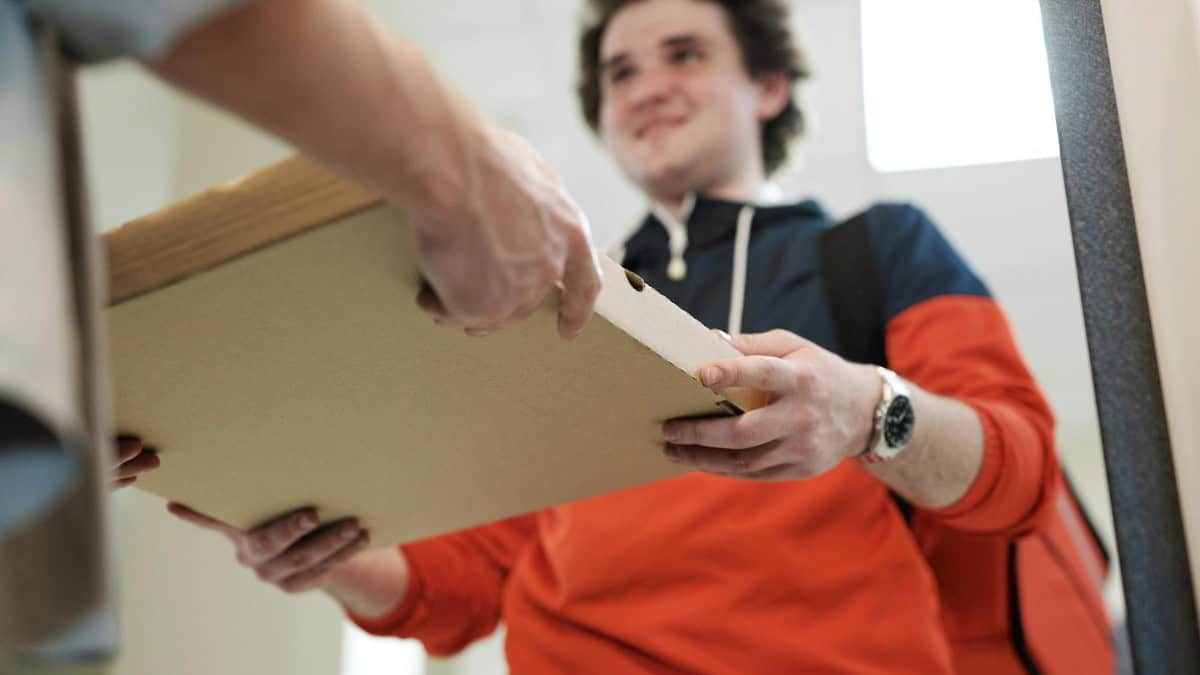
The convenience of food delivery apps has changed the way we live, but it has also created a complex legal gray area on our roads. When a driver rushing to deliver an order causes a serious accident, the question of who pays for the victim’s injuries becomes incredibly complicated. Is the driver responsible? Is the multi-billion-dollar corporation behind the app liable? Or are you, the victim, left to deal with the consequences?
The answer depends on one critical factor: the driver’s status in the app at the exact moment of the crash.
At Flanagan Law, we have navigated the intricate insurance policies of these gig economy giants. This guide will break down the confusing layers of liability to help you understand your rights if you are injured in an accident with a food delivery driver.
The Problem: Personal Insurance vs. Commercial Use
The root of the problem is that a standard personal auto insurance policy—the kind we all have for our own cars—explicitly excludes coverage for commercial activities. Delivering food for compensation is a business activity. This means if a delivery driver causes a crash, their personal insurance company will almost certainly deny the claim, leaving the victim with no immediate path to compensation.
To solve this, companies like DoorDash and Uber Eats provide their own corporate insurance policies, but the coverage is not always active. It operates in specific phases.
The Three Phases of Delivery Driver Insurance
Liability hinges entirely on which of these three phases the driver was in when the accident occurred.
Phase 1: The App is Off (Driver is Not Working)
If the driver’s app is off and they are just using their car for personal reasons, their own personal auto insurance is the only policy that applies, just like in any normal car accident. The delivery company has no involvement.
Phase 2: The App is On, Waiting for an Order
This is a notorious coverage gap. The driver is logged into the app and available to accept a delivery, but they have not yet accepted an order.
- The Driver’s Personal Policy: Will deny the claim because the driver is “working.”
- The Company’s Policy: Most corporate policies, including DoorDash’s, provide no coverage at all during this period. Uber Eats is a notable exception, offering a lower level of liability coverage in this phase (typically around $50,000 per person/$100,000 per accident).
If you are hit by a driver in this phase, you may have to rely on your own Uninsured/Underinsured Motorist (UM/UIM) coverage to pay for your injuries.
Phase 3: “Active Delivery” – Order Accepted to Drop-off
This is the only phase where the delivery company’s full commercial insurance policy is active. This period begins the moment the driver accepts a delivery request and ends once the delivery is completed.
- DoorDash & Uber Eats: Both companies provide a $1 million third-party liability policy during this “active delivery” phase. This policy is designed to cover the injuries and property damage of other people involved in an accident caused by their driver.
Critically, this high-limit policy is often contingent or excess, meaning you must first file a claim with the driver’s personal insurance. Only after that policy denies the claim will the company’s commercial insurance step in to cover the damages.
Why This Matters for Your Case
Because of these complex phases, the moments after an accident are critical. The delivery company and its insurance carrier will do everything possible to prove their driver was not in the “active delivery” phase to avoid liability under their $1 million policy.
An experienced personal injury attorney is essential to navigating this process. We can immediately send a preservation letter to the company, demanding they save all digital evidence, including the driver’s app logs, GPS data, and communication records that prove their status at the moment of the rideshare accident. This evidence is the key to unlocking the full insurance coverage you are entitled to. [Link “rideshare accident” to your /rideshare-accidents/ page]
Frequently Asked Questions
Does the delivery company’s insurance cover damage to the driver’s own car?
Generally, no. The $1 million liability policies provided by companies like DoorDash and Uber Eats are for third-party liability—meaning they cover the injuries and property damage of other people. The delivery driver’s own vehicle damage is typically their own responsibility unless they carry a specific commercial or rideshare endorsement on their personal policy.
What happens if the driver works for multiple apps, like Uber Eats and Grubhub?
This complicates the situation further. If a driver is “multi-apping,” it may be difficult to determine which, if any, corporate policy was active at the time of the crash. An investigation would need to subpoena records from all potential companies to determine the driver’s status on each platform.
What is a “rideshare endorsement” on a personal policy?
A rideshare endorsement is an add-on to a personal auto insurance policy that helps close the coverage gaps. It provides coverage during “Phase 2” (app on, waiting for a request). While not required by the delivery companies, drivers who have this endorsement offer another layer of potential coverage for victims.
Can I sue the delivery company directly, not just their insurance?
This is very difficult. Most delivery drivers are classified as independent contractors, not employees. This classification is deliberately used by companies like DoorDash and Uber to shield themselves from direct liability for the actions of their drivers. A lawsuit against the company itself would typically only be viable if you could prove the company was negligent in its own right, such as by hiring a driver with a known dangerous driving record.
What should I do at the scene of an accident with a delivery driver?
Your first priority is safety and medical care. If possible, take pictures of the scene, including the other vehicle. Ask the driver which service they are working for. Crucially, if you see food delivery bags or logos in their car, take a picture. This can be vital evidence later to prove they were in the “active delivery” phase. Report the accident to the police and get a copy of the official report.