St. Patrick’s Day DUI Accidents in Colorado: What the Data Shows Every March
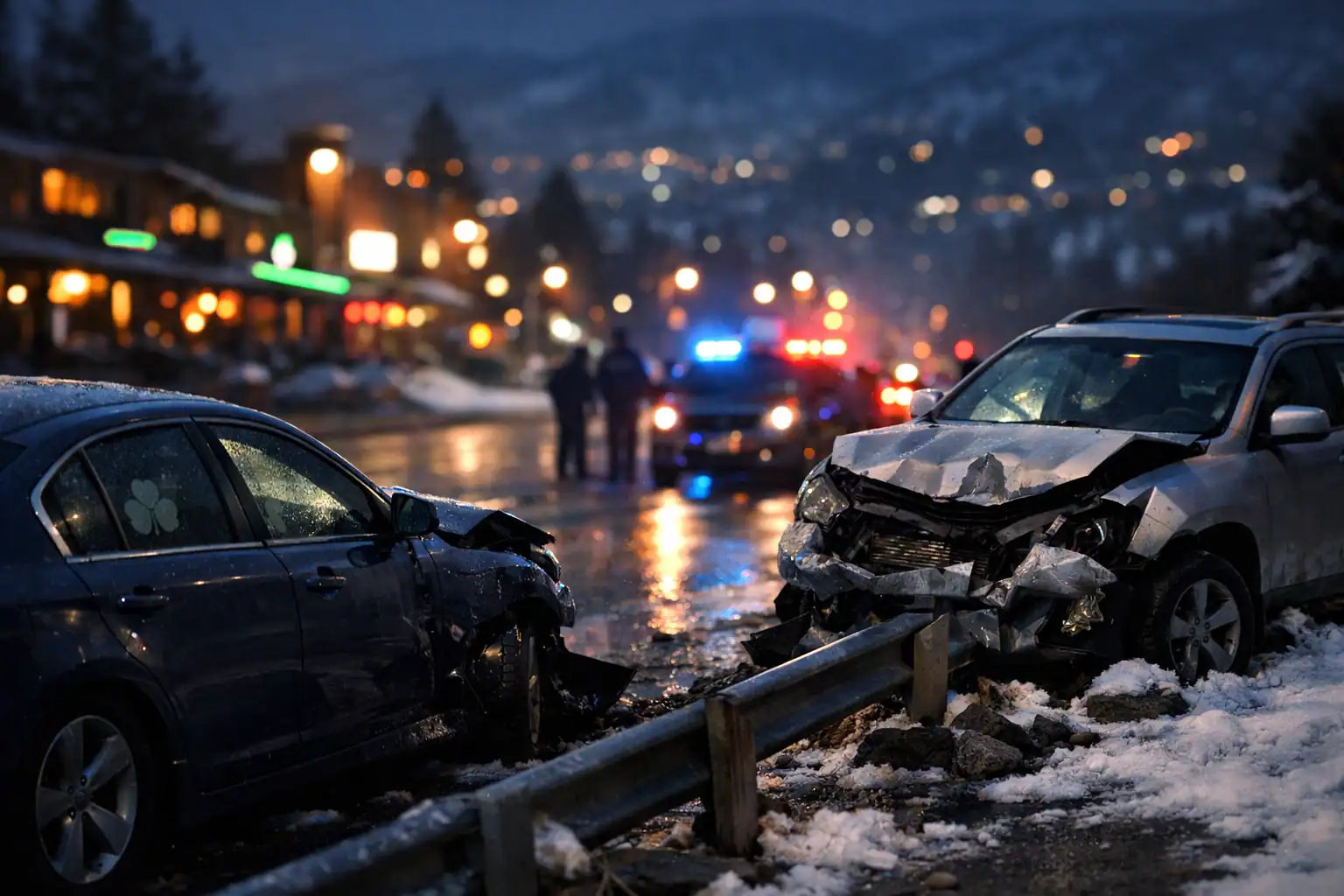
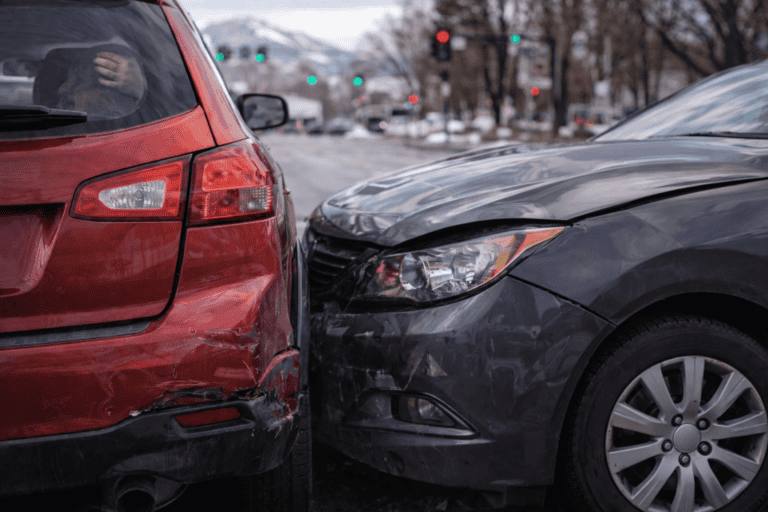
Every March, Colorado law enforcement agencies across the Front Range prepare for one of the most predictable drunk driving surges of the year. St. Patrick’s Day consistently ranks among the top five highest-DUI nights nationally, and Colorado is no exception. NHTSA data shows that drunk driving fatalities spike significantly during the St. Patrick’s Day holiday period, with the window from the evening of March 16 through the early morning hours of March 18 representing peak risk on roads including Colfax Avenue, Broadway, and the corridors connecting Denver’s bar districts to the surrounding suburbs.
If you were hurt by a drunk driver around St. Patrick’s Day, or any time of year, you are not alone in this. And the circumstances surrounding a DUI accident give you legal options that go beyond a standard negligence claim.
What Colorado DUI Data Shows About March Crashes
CDOT’s annual impaired driving data consistently shows March as a high-incident month for alcohol-related crashes statewide. The concentration of DUI activity in urban corridors is particularly significant. Colfax Avenue in Denver, a 26-mile stretch running through Aurora and Lakewood as well, sees elevated impaired driving incidents on nights when bar activity peaks. The same pattern appears on Broadway through Denver and Englewood, on Federal Boulevard, and on the suburban arterials connecting entertainment districts to residential areas in Thornton, Westminster, and Aurora.
What makes St. Patrick’s Day crashes legally distinct from ordinary DUI accidents is the degree to which the impairment is deliberate and the crash is foreseeable. A driver who gets behind the wheel after hours of drinking at a crowded bar on a night defined by alcohol consumption is not making an ambiguous choice. That context matters in how a claim is evaluated and potentially pursued.
Colorado DUI Laws and What They Mean for Your Civil Claim
In Colorado, driving with a blood alcohol concentration of 0.08 or higher constitutes DUI under CRS 42-4-1301. Driving with a BAC between 0.05 and 0.08 can constitute DWAI, driving while ability impaired. Either finding in a criminal case creates a powerful foundation for a parallel civil personal injury claim.
A criminal conviction or guilty plea by the at-fault driver is not required for your civil case to succeed. The civil standard of proof is preponderance of the evidence, meaning more likely than not, which is a lower bar than the criminal standard of beyond a reasonable doubt. In our practice, we have seen civil claims proceed successfully even when a criminal DUI charge was reduced or plea-bargained down.
The arrest record, blood alcohol test results, police report, and any field sobriety test documentation from the night of your accident are all discoverable in your civil case. These records often tell a complete story.
Dram Shop Liability in Colorado: When a Bar or Restaurant Shares Responsibility
Colorado’s dram shop law, codified at CRS 12-47-801, allows injury victims to pursue claims against the establishment that served alcohol to a visibly intoxicated person who then caused an accident. This is a meaningful avenue in St. Patrick’s Day cases, where bars are often overcrowded, service is rapid, and staff may serve customers who are clearly intoxicated.
To succeed on a dram shop claim, you generally need evidence that the establishment served alcohol to a person who was visibly intoxicated at the time of service, and that this service was a proximate cause of your injuries. Surveillance footage, witness statements from other patrons, bartender testimony, and credit card records showing the volume of drinks purchased can all support this claim.
Dram shop claims have a shorter statute of limitations than standard personal injury claims. Under CRS 13-80-102, you have one year from the date of the injury to file a dram shop claim. This deadline is separate from and shorter than the three-year window for general negligence claims under CRS 13-80-101. Missing it means losing this avenue of recovery entirely.
If you were hurt by a drunk driver this St. Patrick’s Day or any time this year, call us at 720-928-9178. The consultation is free, there is no obligation, and we dont charge a fee unless we win. The dram shop deadline in particular moves fast.
Punitive Damages in Colorado DUI Accident Cases
Colorado law permits punitive damages in civil cases where the defendant’s conduct was attended by circumstances of fraud, malice, or willful and wanton disregard for the rights or safety of others, under CRS 13-21-102. Drunk driving, particularly at high BAC levels, has been found to meet this standard by Colorado courts.
Punitive damages are awarded in addition to compensatory damages and are intended to punish the wrongdoer and deter similar conduct. They are not available in every case, and courts apply a meaningful standard before allowing them. But in DUI accident cases involving serious injury, they are a legitimate and sometimes significant component of the total recovery.
What to Do After a St. Patrick’s Day DUI Crash in Colorado
Seek medical attention immediately, even if you believe your injuries are minor. Adrenaline and shock suppress pain signals in the hours after a crash. Symptoms of concussion, soft tissue injury, and spinal trauma often emerge in the days following impact. A medical record created close in time to the accident is one of the most important documents in your case.
Request a copy of the police report as soon as it is available. Confirm that the officer’s report documents the at-fault driver’s impairment, any field sobriety tests administered, and whether an arrest was made.
Do not give a recorded statement to the at-fault driver’s insurance company before consulting an attorney. Insurance adjusters are trained to use early statements to minimize claims. You have no legal obligation to speak with them.
Frequently Asked Questions
Does a DUI arrest automatically mean I win my civil case?
Not automatically, but it creates a strong evidentiary foundation. The arrest record, BAC results, and police documentation are all usable in your civil claim. The civil burden of proof is lower than the criminal standard, so even a reduced charge or plea deal does not eliminate your civil options.
Can I sue the bar that served the drunk driver?
Potentially yes, under Colorado’s dram shop law at CRS 12-47-801, if the establishment served alcohol to someone who was visibly intoxicated and that person then caused your injuries. The statute of limitations for dram shop claims is one year under CRS 13-80-102, which is shorter than the general three-year window. Act quickly.
What if the drunk driver had no insurance or minimal coverage?
Your own uninsured or underinsured motorist coverage may apply. Colorado requires insurers to offer UM/UIM coverage under CRS 10-4-609, and if the at-fault driver’s policy is insufficient to cover your damages, your own policy can bridge the gap. This is one of the most important coverages a Colorado driver can carry.
Can I recover punitive damages from a drunk driver?
In Colorado, punitive damages are available in civil cases where the defendant’s conduct constituted willful and wanton disregard for others’ safety under CRS 13-21-102. High-BAC drunk driving has met this standard in Colorado courts. Whether punitive damages are available in your specific case depends on the facts, but they are worth evaluating.
How long do I have to file a personal injury claim after a DUI accident in Colorado?
The general personal injury statute of limitations in Colorado is three years from the date of injury under CRS 13-80-101. However, if you are pursuing a dram shop claim against an establishment, that deadline is one year under CRS 13-80-102. Government notice requirements apply separately if a government entity is involved. Do not wait to consult an attorney.
What if the drunk driver was also injured and is trying to claim I was at fault?
Colorado’s comparative negligence rules under CRS 13-21-111 allow fault to be apportioned, but a driver’s intoxication is a significant factor in that analysis. An attorney can work to establish the primary cause of the crash and protect your recovery against efforts to shift blame.
Is a DUI accident case different from a regular car accident case?
Yes, in several important ways. The potential for punitive damages, the availability of dram shop claims, the evidentiary value of criminal proceedings, and the insurance dynamics all make DUI cases more complex and often more valuable than standard negligence cases. They also attract more aggressive defense from insurance carriers. Experienced representation matters more, not less, in these cases.
Sources
Colorado DUI and DWAI Statute, CRS 42-4-1301 Colorado Dram Shop Act, CRS 12-47-801 Punitive Damages Statute, CRS 13-21-102 General Negligence Statute of Limitations, CRS 13-80-101 Dram Shop Statute of Limitations, CRS 13-80-102 Uninsured and Underinsured Motorist Coverage, CRS 10-4-609 National Highway Traffic Safety Administration, Holiday Impaired Driving Data: https://www.nhtsa.gov Colorado Department of Transportation, Impaired Driving Statistics: https://www.codot.gov
You are not alone in this. If a drunk driver hurt you or someone you love, call Samantha Flanagan at 720-928-9178. The call is free, confidential, and comes with no obligation. Your recovery comes first.