What to Do After a December Crash in Denver
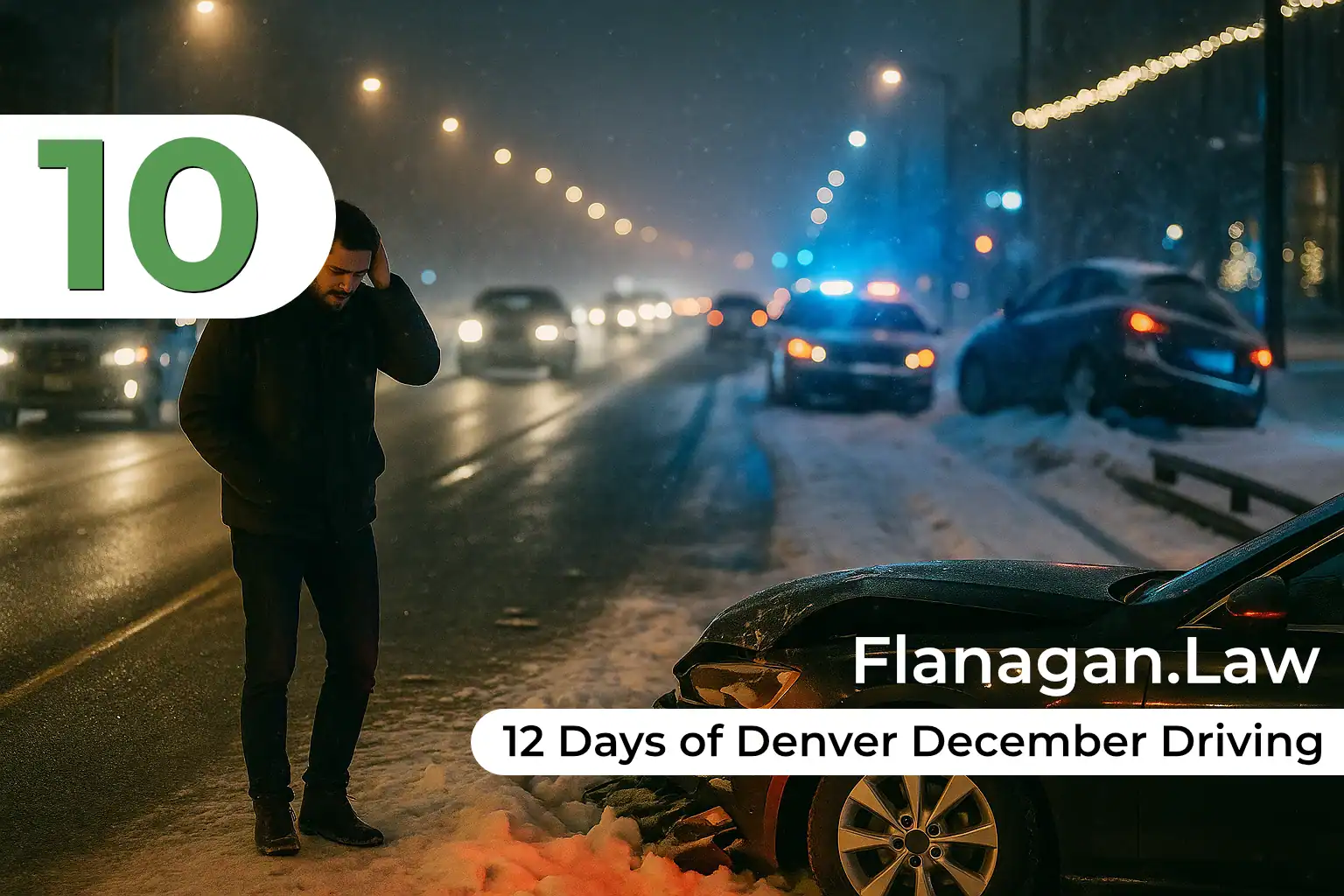
The First Minutes After a Crash Matter Most
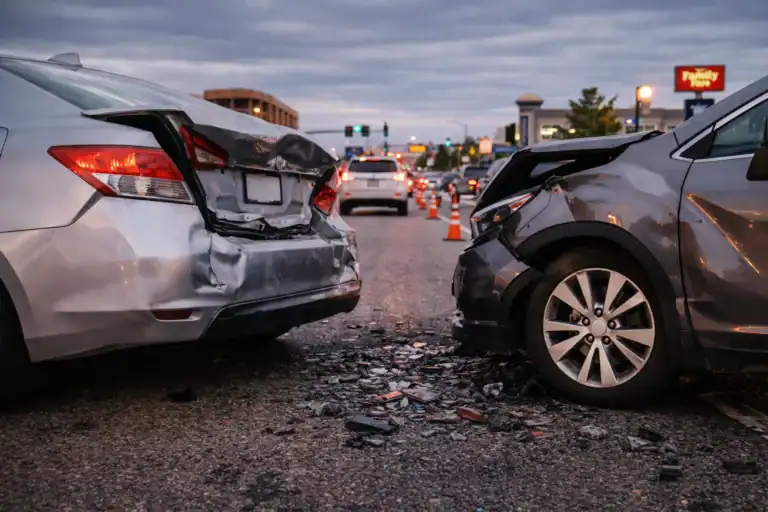
December accidents feel different. It’s cold, dark, and confusing. You may be shaking, you may be worried about traffic sliding toward you, or you may be trying to get somewhere important. But the steps you take in these first few minutes can dramatically affect both your recovery and your legal options.
One driver told me he only remembered the cold. He didn’t notice his wrist was injured until hours later because the freezing air masked the pain. That happens more often than people think.
Step One: Stay Safe and Move Carefully
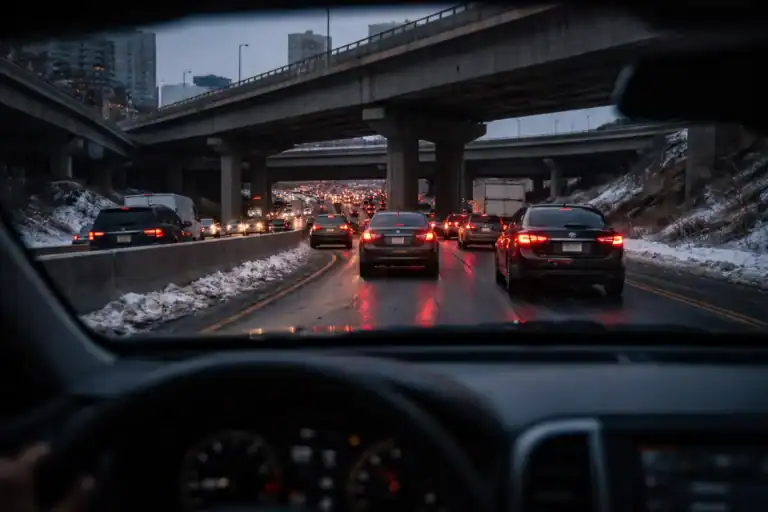
If the crash is minor and you can safely move your vehicle, do it. Winter brings more secondary collisions because slick roads make stopping harder. Move away from traffic, turn on hazard lights, and check yourself and others for injuries.
Cold weather tightens muscles and can make injuries feel delayed, so don’t assume you’re “fine” right away.
Step Two: Call 911
Even in small winter collisions, getting an official report protects you. Snow melts fast, skid marks vanish, and without documentation, insurance companies can challenge your version of events.
Step Three: Gather Evidence Quickly
Use your phone to capture:
Winter evidence disappears in minutes. A plow, a gust of wind, or a temperature shift can erase critical details.
Step Four: Seek Medical Care
Winter adrenaline hides pain, and cold air stiffens injured muscles. Many people feel worse the next morning, not realizing how hard they were hit. Getting checked early protects your health and your claim.
Step Five: Avoid Insurance Mistakes
Insurance adjusters move quickly in December because they know people are overwhelmed. Don’t minimize injuries, don’t guess about fault, and don’t give a recorded statement before speaking with a lawyer.
Step Six: Talk to a Denver Injury Lawyer
A winter crash can create a mess of medical bills, car repairs, missed work, and stress. You shouldn’t have to carry that alone.
Call for Free Winter Accident Support
If a December crash disrupted your plans or left you hurting, compassionate help is available.
Call 720-928-9178 for a free consultation with Flanagan Law. We’ll explain your rights, protect your claim, and help you move forward with confidence.
FAQs
Why do injuries appear later after winter crashes?
Cold temperatures tighten muscles and reduce blood flow, which can mask pain for hours after the impact.
Should I move my car or leave it in place after a crash?
If it’s safe and the damage is minor, moving your car reduces the risk of being hit again on slick pavement.
Do police always respond to winter collisions?
They try to, but severe storms may delay response times. A report is still important, even if you must wait.
Why is December evidence harder to preserve?
Snow melts, ice shifts, and tire tracks disappear quickly, making early documentation crucial.
Will my claim be affected if I delayed medical treatment?
Possibly. Insurance companies may argue your injuries aren’t related to the crash, which is why early care is essential.
Is it normal to feel shaky or disoriented after a winter crash?
Yes. Cold air and adrenaline create strong physical reactions that can make the moment feel unreal.
Should I talk to an adjuster before speaking to a lawyer?
No. Winter crashes are easily misinterpreted, and adjusters often push for fast statements that hurt claims later.