Colorado’s Most Dangerous Roads: A 2025 Crash Hotspot Analysis

Introduction: Navigating Colorado’s Risky Roads
Colorado’s roads are a paradox—stunning views from I-70 through Vail, urban hustle in Denver, serene stretches near Boulder. But beauty hides danger. As someone who values preparation, you’ve likely got solid insurance and a sharp sense of safety. Yet, a single moment—a swerve on a mountain pass, a distracted driver in Fort Collins—can change everything. Serious accidents aren’t just headlines, they’re real risks. That’s why Flanagan Law’s put together this 2025 crash hotspot analysis, it’s your guide to Colorado’s most dangerous roads. Packed with data, safety tips, and resources, this is for anyone who wants to stay safe and informed. Ready to know where risks lurk? Let’s hit the road.
Why Some Colorado Roads Are Deadlier Than Others
Not all roads are equal—some are accident magnets. From icy curves in Steamboat Springs to congested highways in Colorado Springs, factors like weather, traffic, and design stack the odds. Here’s what makes a road risky, based on state crash data:
- Poor Conditions: Snow, ice, and fog plague mountain routes like Loveland Pass.
- High Traffic: Urban hubs like Denver’s I-25 see constant collisions.
- Bad Design: Narrow lanes or blind curves, like parts of Highway 285, invite trouble.
- Driver Behavior: Speeding and distractions spike crashes in cities like Aurora.
This list is a shareable snapshot—perfect for safety blogs or local news—showing why a Colorado injury attorney’s insight matters.
Colorado’s Top 5 Dangerous Roads in 2025
Using 2024 crash stats and 2025 projections, here’s our hotspot breakdown—data-driven for linkers like transportation sites:
1. I-70 (Vail to Glenwood Springs)
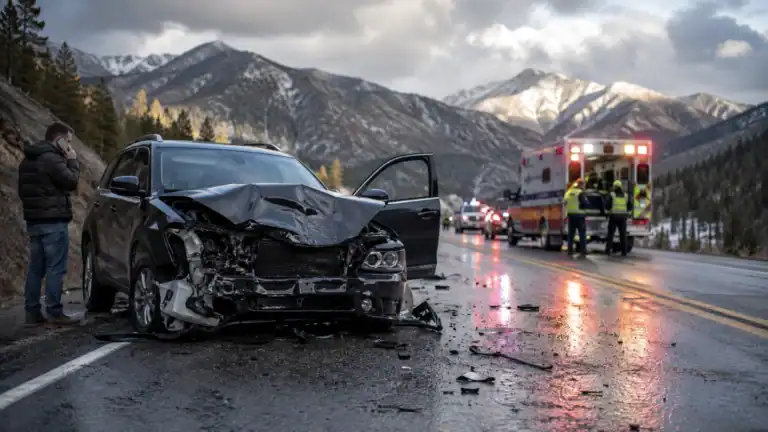
This mountain corridor’s a beast—snowstorms, sharp turns, and tourist traffic make it deadly. Over 300 crashes hit here in 2024, per Colorado DOT, with 10% causing serious injuries. Watch for black ice near Vail Pass.
2. I-25 (Denver to Colorado Springs)
Urban density meets high speeds—recipe for chaos. Denver’s stretch alone logged 1,200 crashes last year, many tied to distracted driving. A Colorado injury attorney sees these cases daily—rear-enders are rampant.
3. Highway 285 (Bailey to Conifer)
Narrow lanes and steep drops spell trouble. This route had 150 serious accidents in 2024, often from speeding locals. Curves near Pine Junction demand focus.
4. US-36 (Boulder to Lyons)
Boulder’s gateway mixes cyclists, commuters, and wildlife—bad combo. Over 200 crashes, including 15% with injuries, hit here yearly. Watch for deer at dusk.
5. Colfax Avenue (Aurora to Lakewood)
Urban sprawl’s poster child—intersections and jaywalkers fuel 800 crashes annually. Serious accident claims spike here, especially at night.
Safety Tips to Avoid Colorado’s Crash Hotspots
Knowledge is power, here’s how to stay safe—trust me, it works:
1. Prep for Weather
Colorado’s snow and fog are brutal, especially on I-70. Check forecasts via NHTSA tools, pack chains, and slow down—ice doesn’t care about your schedule.
2. Avoid Peak Traffic
I-25’s rush hour is a nightmare—6-8 a.m. and 4-6 p.m. in Denver are crash central. Drive off-peak or use apps like Waze to dodge jams.
3. Stay Focused
Colfax’s chaos thrives on distraction. Ditch the phone, watch for pedestrians—a serious accident claim often starts with a text.
4. Know Your Route
Highway 285’s curves sneak up fast. Study maps, note exits—being ready cuts risks. A Colorado injury guide like this saves lives.
5. Upgrade Your Coverage
Premium insurance—think high liability limits—softens a crash’s blow. Not sure what’s in your policy? Flanagan Law’s free consultations clarify—call us.
Case Study: Surviving a Hotspot Crash
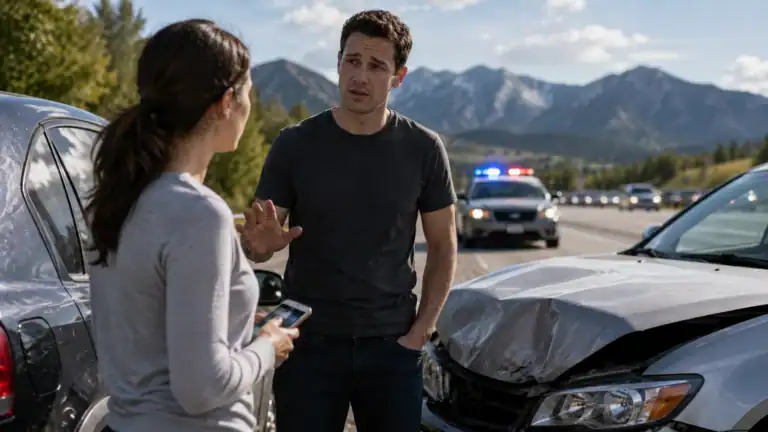
Take Sarah, a Colorado Springs teacher hit on I-25 last spring. A trucker’s lane change crushed her sedan, fracturing her pelvis—$200,000 in bills followed. The insurer blamed her, offering $50,000. Sarah was gutted—ever been there? Her robust policy was a start, but she needed a Colorado injury attorney. Flanagan Law stepped in, using crash reports and a witness who saw the trucker’s error. We fought for 10 months, landing a $900,000 settlement for her care, lost wages, and pain. Sarah’s prep—coverage, quick call—made it happen. What’s your safety plan? Share below!
Why This Matters for 2025
Colorado’s crash rates are climbing—2024 saw a 6% spike, per DOT, and 2025’s growth in traffic won’t help. Knowing hotspots like US-36 or Colfax preps you to avoid trouble or fight a serious accident claim if it hits. Insurers bank on your ignorance—don’t let them win.
Conclusion: Drive Smart, Stay Protected
Colorado’s roads are a gamble, but you’re no rookie. This 2025 crash hotspot analysis—data, tips, stories—arms you to stay safe or bounce back. From I-70’s ice to Colfax’s chaos, preparation’s your edge. Flanagan Law’s here to guide you, whether it’s a claim or just advice. Call us at flanagan.law for a free consultation—stay ahead of the curve!
FAQ
Which Colorado city has the worst crash rates?
Denver tops the list, with Aurora close behind—urban density drives up collisions, per state stats.
Can I claim damages if weather caused my crash?
Yes, if another driver’s negligence—like speeding in snow—contributed; your lawyer proves it.
What’s the deadliest time to drive in Colorado?
Dusk and night—5-9 p.m.—see spikes, especially on rural roads like Highway 285.
Are rural or urban roads riskier?
Rural roads like 285 have higher fatality rates, but urban ones like I-25 see more crashes overall.
How do I report a dangerous road?
Contact Colorado DOT online—your tip could spark fixes, like better signs on US-36.