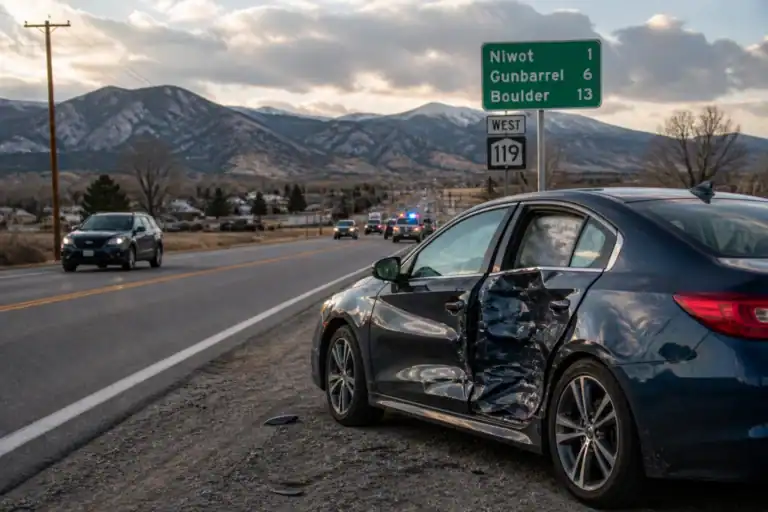
How to File a Hit-and-Run Claim After a Car Accident in Westminster

Car accidents are stressful, but the situation can be even more challenging when the other driver leaves the scene. If you’re involved in a hit-and-run accident in Westminster, Colorado, knowing how to file a claim and protect your rights is essential. This guide will walk you through the steps to take after a hit-and-run and provide valuable insights on filing a claim to help ensure you receive the compensation you deserve.
Introduction: The Impact of Hit-and-Run Accidents
Hit-and-run accidents can leave victims feeling helpless and frustrated. In Colorado, leaving the scene of an accident is illegal, but unfortunately, it still happens. The good news is that there are steps you can take to protect yourself and file a successful claim. Whether driving in Westminster or nearby cities like Commerce City or Aurora, being prepared and informed can make all the difference.
Immediate Steps to Take After a Hit-and-Run Accident
1. Ensure Your Safety and Call 911
Your safety is the top priority. Move to a safe location if possible and call 911 to report the accident. A police report is a crucial piece of documentation that can help when filing a claim with your insurance provider.
2. Gather Evidence at the Scene
If you can, collect as much information as possible. This will support your claim and may help authorities identify the other driver. Here’s what to focus on:
- Photos: Take photos of the damage to your vehicle, the surrounding area, and any skid marks or debris.
- Notes: Write down any details about the other vehicle, such as its make, model, color, and license plate (even partial information can be helpful).
- Witness Statements: If there are witnesses, gather their contact information and ask for their account of what happened.
Example Scenario: A resident in Westminster was sideswiped by a speeding vehicle that immediately fled the scene. Quick thinking allowed the driver to note part of the license plate and ask a nearby bystander for their observations.
Notify Your Insurance Company
1. Report the Hit-and-Run
As soon as possible, notify your insurance company about the incident. Provide them with the police report number and any evidence you collected. If you have uninsured motorist (UM) coverage, you may be eligible to file a claim under that policy.
2. Understand Your Coverage
Most standard insurance policies include UM coverage, which can protect you in a hit-and-run scenario. This type of coverage helps pay for medical expenses, property damage, and other losses when the at-fault driver is unknown or uninsured.
3. Personal Injury Protection (PIP) Coverage
Personal Injury Protection (PIP) is optional in Colorado but can help cover medical expenses and lost wages regardless of who was at fault. If you have PIP coverage, include this in your discussions with your insurance company.
Filing a Hit-and-Run Insurance Claim
1. Provide Comprehensive Documentation
When filing your claim, make sure to include:
- The police report
- Photos and witness statements
- Medical records and repair estimates
Having a comprehensive file with all relevant information can speed up the claims process and support your case for compensation.
2. Work with an Insurance Adjuster
Your insurance company will assign an adjuster to review your claim. Be honest and thorough when providing details, but avoid speculation. If the adjuster requests additional information, provide it promptly to keep your claim moving forward.
What to Do If Your Claim Is Disputed
1. Consult an Attorney
If your insurance company disputes or denies your claim, it may be time to consult with a personal injury attorney. An experienced attorney can help review your policy, gather additional evidence, and negotiate on your behalf to ensure your rights are protected.
Example: A driver in Denver experienced a hit-and-run accident that resulted in significant vehicle damage. When their insurance company initially denied the claim due to insufficient evidence, the driver sought legal assistance. With their attorney’s help, the driver was able to provide additional documentation that led to a successful claim resolution.
Tips for Strengthening Your Claim
1. Maintain a Detailed Record
Keep records of all medical visits, vehicle repair estimates, and communications with your insurance company. This information is vital if your claim is contested or delayed.
2. Stay in Contact with the Police
Follow up with the police department to check on any progress in identifying the at-fault driver. Updates to the police report or additional information can support your insurance claim.
3. Avoid Making Public Statements
Refrain from discussing your accident details on social media or making public statements that could be used against you during the claims process. Keep conversations about the accident between you, your insurance company, and your legal representative.
Conclusion: Taking Control After a Hit-and-Run Accident
Dealing with a hit-and-run accident can be challenging, but knowing the right steps to take can make the process more manageable. From ensuring your safety and collecting evidence to filing a comprehensive claim and consulting an attorney if needed, these actions can help protect your rights and guide you through the aftermath of an accident. If you or a loved one have been involved in a hit-and-run in Westminster or any nearby city, staying informed and proactive is key to achieving the best outcome.
FAQ
1. What should I do immediately after a hit-and-run accident?
Ensure your safety, call 911, gather evidence, and collect witness statements if possible.
2. Can I file a claim if I don’t know who hit my car?
Yes, you can file a claim through your uninsured motorist (UM) coverage if the at-fault driver is unknown.
3. What should I provide to my insurance company?
Include the police report, photos, witness statements, medical records, and repair estimates.
4. What if my insurance company denies my claim?
Consider consulting with an attorney who can help negotiate with your insurance company or explore other options for pursuing compensation.
5. Is UM coverage required in Colorado?
No, UM coverage is optional in Colorado, but it is highly recommended to protect yourself in hit-and-run scenarios or accidents involving uninsured drivers.